
- 30 major international MICE events secured for 2025
- 109,000 high-value delegates expected
- 9.845 billion baht projected economic injection
Experts agree that Thailand's MICE boom is driving significant growth in luxury real estate by attracting high-net-worth individuals and positioning the country as a premier destination for both business and high-end living.
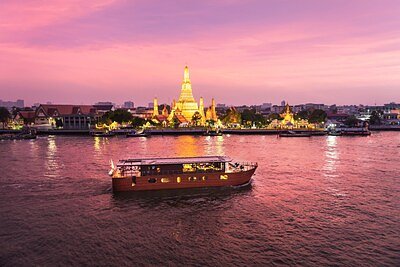
Thailand's MICE Boom: A New Engine for Luxury Real Estate Growth
BANGKOK, THAILAND – November 26, 2025 – Thailand is cementing its position as a global powerhouse, not just for tourism, but as a premier destination for the world's most significant business events. The Thailand Convention and Exhibition Bureau (TCEB) recently announced a landmark achievement for fiscal year 2025: securing 30 major international MICE (Meetings, Incentives, Conventions, Exhibitions) and mega-events. This influx is projected to attract 109,000 high-value delegates and inject an estimated 9.845 billion baht into the economy. While these figures are impressive on their own, they signal a far more profound trend for the nation's high-end property market. This MICE momentum is acting as a powerful, direct catalyst for growth in luxury real estate, exposing a new cohort of global elites to the investment potential and unparalleled lifestyle of the Kingdom.
The MICE Multiplier: Converting Delegates into Investors
The sheer scale of the events secured is staggering. The Amway Leadership Seminar in 2026 is set to bring over 10,000 delegates from China, while the Gastech exhibition in the same year will host around 50,000 global participants. The International Dragon Award Annual Conference in 2027 will add another 7,500 overseas delegates. This is not a transient tourist boom; it is a curated influx of business leaders, industry experts, and high-net-worth individuals. For the luxury real estate sector, this represents a multi-year pipeline of potential buyers and investors.
The 'MICE multiplier effect' goes beyond initial hotel stays and tourism spending. When thousands of decision-makers experience a city's efficiency, infrastructure, and quality of life firsthand, it fundamentally alters their perception from a temporary meeting place to a potential base for investment or a second home. The delegate profile for events like Gastech or the World Society for Reconstructive Microsurgery Congress (slated for 2029) is precisely the target demographic for luxury condominiums, branded residences, and exclusive villas. They experience the seamless connectivity of Bangkok's BTS SkyTrain to world-class venues like BITEC, the luxury accommodations at five-star hotels, and the vibrant urban lifestyle. This positive, high-end experience serves as the most effective marketing for the country's residential offerings.
As TCEB President Mrs. Supawan Teerarat noted, these wins illustrate "global confidence in our MICE ecosystem and underscore TCEB's commitment to leveraging MICE as a catalyst for professional, business and economic growth." This confidence is contagious, spilling over into the property sector as international investors see a nation investing in its own future and successfully attracting global capital and talent.
Beyond Bangkok: Decentralizing the Luxury Landscape
Perhaps the most telling aspect of Thailand's strategy is its successful push beyond the capital. The confirmation of the Spartan SUPER World Championship in Chiang Rai from 2026 to 2028, expected to draw a significant number of athletes and followers, and a Tough Mudder event in Pattaya, are not just wins for the sports tourism sector. They are strategic moves that shine an international spotlight on Thailand's secondary cities as viable destinations for large-scale investment and high-end living.
This decentralization directly impacts regional luxury property markets. Chiang Rai in the north, known for its serene landscapes and rich culture, is now on the map for a global audience seeking wellness and adventure. The infrastructure required to host a multi-year world championship event inevitably spurs development, from boutique hotels to luxury housing catering to a clientele that values nature and exclusivity. Similarly, Pattaya's ability to host 16,000 participants for a major event reinforces its transformation from a simple resort town to a comprehensive economic hub on the Eastern Economic Corridor with a growing market for luxury oceanfront condominiums and private pool villas. The city's Pattaya Exhibition And Convention Hall (PEACH) can host up to 10,000 attendees, anchoring it as a serious MICE destination.
The inclusion of 13 Thai cities in the latest ICCA global rankings—a first for the nation—is a testament to this strategy. For discerning homebuyers and investors, this opens up a diverse portfolio of lifestyle options, from the cosmopolitan energy of Bangkok to the tranquil highlands of Chiang Mai and the coastal allure of Phuket and Pattaya.
Curating the Experience: The New Currency of Luxury
Modern luxury is defined less by opulence and more by experience. Thailand's MICE strategy masterfully embraces this shift. The collaboration with the Tourism Authority of Thailand to create a 'Slow Living in Bangkok' program for the 10,000-delegate Amway seminar is a case in point. This initiative moves beyond the boardroom, offering immersive cultural and lifestyle experiences that showcase the city's unique charm. It is a powerful demonstration of Thailand's 'soft power'—its ability to blend business with leisure, wellness, and authentic cultural engagement.
This focus on curated experiences aligns perfectly with the demands of the global luxury homebuyer. They are not just purchasing property; they are investing in a lifestyle. The emphasis on sustainability, seen in TCEB's promotion of 'Green Meetings' and carbon-neutral events, also resonates with a market that is increasingly environmentally conscious. Developers of branded residences and luxury communities are taking note, integrating wellness centers, sustainable design, and community-focused activities into their projects. The success of a tailored program like 'Slow Living' provides a blueprint for real estate developers on how to market a complete lifestyle package, not just square footage.
Building for the Future: Infrastructure and Market Position
Underpinning this success is a foundation of world-class infrastructure and a competitive market position. Bangkok's rise to 7th place globally in the 2024 ICCA rankings—and Thailand's top spot in ASEAN—is no accident. It is the result of sustained investment in venues like the Queen Sirikit National Convention Centre (QSNCC) and IMPACT Muang Thong Thani, coupled with proactive government support through TCEB's 'TCEB Go' strategy. This robust ecosystem gives long-term investors the confidence that the country can deliver on its promises.
While Thailand faces stiff competition from regional hubs like Singapore and emerging players like Vietnam, its unique value proposition—a blend of advanced infrastructure, deep cultural appeal, and relative value—remains compelling. Challenges such as a skilled labor shortage and bureaucratic hurdles are being actively addressed, but the forward momentum is undeniable. The long-term nature of the event bookings, with major conventions secured as far out as 2029, sends a clear signal to the market: Thailand is a stable, reliable, and growing hub for international business. For luxury real estate developers and investors, this is the strongest possible indicator that now is the time to build for the discerning global citizen who, having arrived for a convention, may well decide to stay for the lifestyle.