
- 2.1 million visitors to the Thailand Pavilion at Expo 2025, positioning it among the top exhibitors.
- 50+ medical institutions in Thailand and abroad have adopted the AI-powered Dinsaw Mini healthcare robot.
- Thailand's medical tourism market projected to surpass USD 3.4 billion by 2034.
Experts agree that Thailand's success at Expo 2025 has strengthened its global healthcare reputation, but sustained growth will require addressing competition, talent retention, and equitable access to medical advancements.
Thailand's Expo 2025 Success: From Pavilion to Global Medical Hub
BANGKOK, THAILAND – February 17, 2026
As the dust settled on Expo 2025 Osaka, Kansai, which concluded on October 13, 2025, the Thailand Pavilion emerged as a standout success story, having welcomed nearly 2.1 million visitors over its 184-day run. Presented under the theme “Thailand: Connecting Lives for Greatest Happiness,” the pavilion was more than a cultural showcase; it was a bold declaration of the nation’s ambition to become a global leader in health and wellness. Now, with the event in the rearview mirror, the critical work begins: translating pavilion buzz into tangible economic growth and solidifying its status as a premier ‘Medical Hub.’
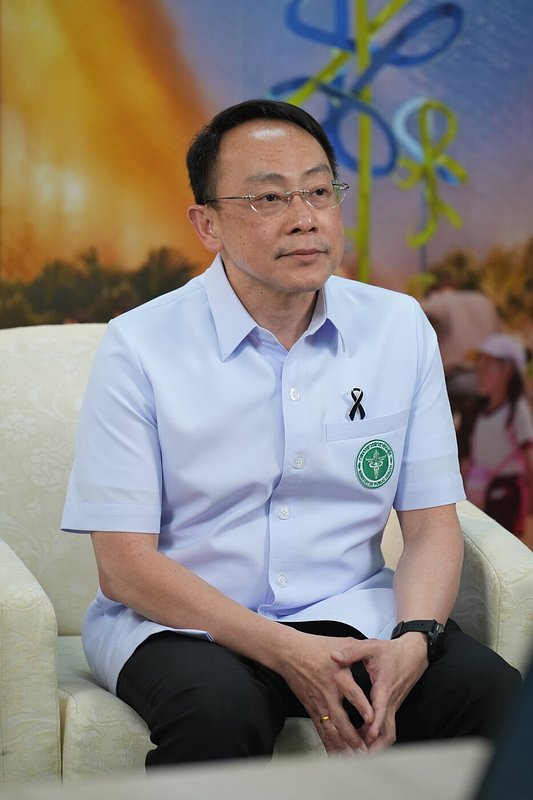
According to the Ministry of Public Health, the strong international interest validates Thailand's strategy of blending traditional health wisdom with cutting-edge innovation. “Throughout the exhibition period, the Thailand Pavilion received consistently positive responses from visitors,” stated Dr. Somlerk Juengsmarn, Permanent Secretary of the Ministry of Public Health. “This reflects that Thailand’s healthcare approach... is capable of creating value and gaining recognition at the international level.”
While the pavilion's attendance was impressive, falling just short of the 2.35 million visits recorded at the Dubai Expo, it positioned Thailand firmly in the top tier of exhibitors. The success has laid the groundwork for a new chapter in the country's development, focusing on leveraging its healthcare prowess as a tool for both economic prosperity and international soft power.
Innovations with Real-World Impact
Beyond the vibrant cultural performances and architectural appeal, the core of Thailand's presentation was its portfolio of groundbreaking medical innovations, many of which are already transforming patient care both domestically and abroad. These weren't just futuristic concepts; they were market-ready technologies demonstrating the country's growing R&D capabilities.
Prominently featured was the Dinsaw Mini, an AI-powered healthcare assistant robot developed by CT Asia Robotics. Designed for elderly care, the robot facilitates remote consultations, reminds patients to take medication, and uses AI to detect anomalies, alerting caregivers or hospitals. Having already been adopted in over 50 medical institutions across Thailand and exported to aging societies like Japan and Germany, Dinsaw Mini exemplifies a successful transition from a local solution to an international product.
Another key innovation was the sPace Dynamic Prosthetic Foot. Developed through a collaboration between Chulalongkorn and Mahidol Universities, this high-performance prosthetic is made from lightweight carbon fiber, mimicking a natural gait. After passing rigorous ISO standard tests in Germany, the device is now included in Thailand's National Health Security benefits package. This makes a world-class prosthetic, typically imported at high cost, accessible to all Thais at no charge, with a local spin-off company handling manufacturing.
Similarly, patient-specific Titanium Cranioplasty Plates from Thai firm Meticuly showcased the nation's advance into 3D-printed medical devices. These custom implants received US Food and Drug Administration (FDA) approval and were successfully used in a US hospital in late 2024, a significant milestone for a Thai-made medical product. Like the prosthetic foot, these titanium plates have been integrated into Thailand's Universal Coverage Scheme, democratizing access to advanced reconstructive surgery.
Forging Economic Lifelines
The Expo was not merely an exhibition but a strategic platform for economic diplomacy. Thai delegations engaged in discussions with over 100 international investors and potential partners, focusing on key national priority sectors including digital health, Electric Vehicles (EVs), and the Bio-Circular-Green (BCG) Economy. While specific deals have yet to be publicly announced, these meetings are seen as crucial for attracting foreign direct investment.
The Thai government, through its Board of Investment (BOI), has been actively courting international capital for its medical sector, offering incentives like corporate tax reductions and allowances for foreign ownership. The innovations showcased at Expo 2025 serve as proof-of-concept for investors, demonstrating a fertile ecosystem where R&D is supported by a clear pathway to market adoption, including integration into the national healthcare system. This government-backed demand creates a stable and attractive market for medical technology developers and investors alike.
Dr. Juengsmarn emphasized that the connections made in Osaka are a beginning, not an end. “This success is not an end point, but a starting point for further advancing the health industry, supporting Thai entrepreneurs, and strengthening a resilient and sustainable healthcare system,” he remarked, signaling a long-term strategy to build on the Expo's momentum.
The 'Medical Hub' Ambition and Its Hurdles
Thailand's efforts are centered on its long-standing goal of becoming the definitive 'Medical Hub' of Asia. The country already holds a formidable position, ranking 6th on the global Medical Tourism Index with over 60 JCI-accredited facilities—the most in Southeast Asia. The market is booming, with projections showing it could surpass USD 3.4 billion by 2034, driven by patients seeking high-quality, affordable care.
International patients are drawn by costs that can be 30-70% lower than in Western countries for procedures ranging from cosmetic surgery and orthopedics to complex fertility treatments. The integration of wellness and traditional Thai medicine provides a unique value proposition that competitors find difficult to replicate. The Expo served to amplify this message on a global stage, showcasing a nation ready to care for the world.
However, this ambition is not without significant challenges. Competition is intensifying from regional rivals like Malaysia and India, which are also investing heavily in their healthcare infrastructure. Domestically, there are concerns about a potential 'brain drain' as top medical talent is drawn from the public sector to lucrative private hospitals that cater to foreign patients. Ensuring that the growth of medical tourism does not compromise the quality or accessibility of healthcare for Thai citizens remains a critical balancing act for policymakers.
Furthermore, sustaining this growth requires overcoming language barriers, managing the risks of medical malpractice, and navigating foreign ownership restrictions that can deter some investors. The success of the Thailand Pavilion at Expo 2025 has undoubtedly elevated the country's image, but the true test lies in converting this soft power victory into a sustainable and equitable healthcare system that enhances the quality of life for everyone, both visitors and locals alike.