
- Clinical Trial Results: Daily consumption of Lactobacillus rhamnosus L34 for one month reduced gut-derived uremic toxins and inflammation-related cytokines in CKD patients.
- Native Strain: The probiotic strain is native to the Thai population, potentially offering better compatibility and efficacy.
- Patient-Friendly Design: The supplement is manufactured as a powder, accommodating CKD patients' dietary and fluid restrictions.
Experts would likely conclude that Lactobacillus rhamnosus L34 represents a promising supportive therapy for CKD patients, particularly in reducing toxic and inflammatory burdens, though further long-term studies are needed to assess its impact on major complications.
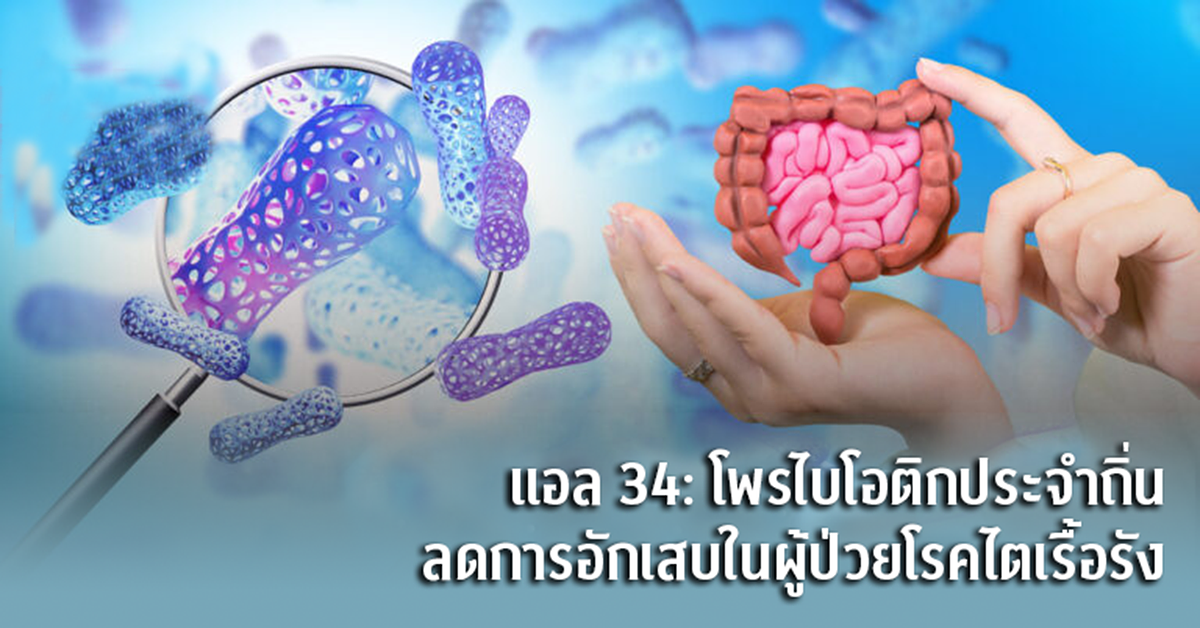
Thai Probiotic Offers New Hope for Kidney Disease Patients
BANGKOK, THAILAND – April 08, 2026 – A groundbreaking discovery from one of Thailand's leading research institutions is poised to change the supportive care landscape for individuals battling chronic kidney disease (CKD). Researchers at Chulalongkorn University's Faculty of Medicine have identified and developed a native probiotic strain, Lactobacillus rhamnosus L34, which has been clinically shown to reduce harmful toxins and inflammation in pre-dialysis CKD patients, offering a new tool in the fight against the disease's debilitating progression.
This innovation has led to the development of a patented, Thai-made probiotic supplement, representing a significant step forward in leveraging microbiome science to manage chronic illness and highlighting a move toward more personalized, localized healthcare solutions.
The Science of the Gut-Kidney Connection
For years, the standard management of chronic kidney disease has focused on controlling blood pressure, managing diabetes, and adhering to strict dietary restrictions on protein, sodium, and phosphorus. While crucial, these methods do not fully address a key underlying factor that exacerbates the condition: the gut. In CKD patients, an imbalance in gut bacteria, known as dysbiosis, occurs. This imbalance allows harmful bacteria to flourish, producing an excess of gut-derived uremic toxins (GDUTs) like indoxyl sulfate and trimethylamine-N-oxide (TMAO).
These toxins leak from the compromised gut barrier into the bloodstream, contributing to systemic inflammation, increasing cardiovascular risk, and ultimately accelerating the decline of kidney function. The research from Chulalongkorn University directly targets this gut-kidney axis. The team, led by Prof. Dr. Somying Tumwasorn and Assoc. Prof. Dr. Asada Leelahavanichkul of the Department of Microbiology, demonstrated that L. rhamnosus L34 can help restore a healthier gut environment.
In a randomized, placebo-controlled clinical trial involving patients with CKD stages 3-5, daily consumption of the L34 probiotic for just one month resulted in significant reductions in both gut-derived uremic toxins and key inflammation-related cytokines. While the study noted that kidney function itself did not improve within this timeframe, the findings strongly indicate that L34 can serve as a powerful supportive therapy. By reducing the toxic and inflammatory burden on the body, the probiotic can help mitigate complications and complement standard treatments.
These human trial results were built on a foundation of robust pre-clinical research. In animal models of kidney disease, L34 not only reduced inflammatory markers but also showed reno-protective effects, including improvements in kidney fibrosis and serum creatinine levels, by suppressing the harmful gut bacteria responsible for generating uremic toxins.
A 'Native' Solution for a Global Problem
One of the most significant aspects of the Lactobacillus rhamnosus L34 discovery is its origin. The strain is 'native' to the Thai population, meaning it was isolated from healthy Thai individuals. This is a critical distinction in the world of probiotics, where the effectiveness of a strain can be influenced by the host's genetics, diet, and existing gut microbiota.
A probiotic strain that is native to a specific population may offer better compatibility and colonization potential, leading to enhanced efficacy. This approach marks a shift away from one-size-fits-all solutions toward a more personalized form of medicine. For Thai patients with CKD, a supplement tailored to their unique gut environment could provide more reliable benefits than generic probiotics developed for different populations.
This development is a source of national pride and a testament to the high caliber of scientific research being conducted in Thailand. It addresses a pressing local health issue with a locally sourced and developed solution, promising greater accessibility and relevance for patients across the country.
From University Lab to Patient Hands
The journey of Lactobacillus rhamnosus L34 from a laboratory finding to a tangible health product exemplifies the real-world impact of academic research. Chulalongkorn University, consistently ranked as Thailand's top university, has successfully translated its scientific discovery into a patented innovation ready for public benefit.
To bring the product to market, the university has partnered with Greater Pharma Co., Ltd., a Thai pharmaceutical company tasked with its production. The supplement is manufactured as a powder, a thoughtful design choice made specifically for CKD patients. Individuals with advanced kidney disease must often limit their fluid intake and avoid high-phosphate foods, including common probiotic sources like yogurt and fermented dairy.
The powdered formulation can be easily mixed with a small amount of water or food, making it a practical and safe option for daily use without compromising patients' strict dietary and fluid restrictions. This careful consideration of the end-user's needs demonstrates a comprehensive approach to healthcare innovation that extends beyond the initial scientific breakthrough.
Pioneering the Future of Microbiome Therapies
The successful development of the L34 probiotic is not an endpoint but rather a promising beginning for the research team at Chulalongkorn University. Their work opens the door to a new frontier in the management of chronic diseases in Thailand, with a focus on harnessing the power of the microbiome.
Looking ahead, researchers plan to conduct longer-term studies to determine if sustained use of L34 can lead to a reduction in major CKD-related complications, such as cardiovascular events. Further investigations will also explore strategies to enhance the probiotic's persistence in the gut, potentially through the use of prebiotics (fibers that feed beneficial bacteria) or synbiotics (formulations combining pro- and prebiotics).
The ultimate vision is to create a portfolio of affordable, Thai-developed microbiome-based health products that can be made widely available to patients nationwide. This discovery serves as a powerful example of how targeted scientific research can lead to practical health solutions that improve quality of life and position a nation at the forefront of medical innovation.
Topics & Related
Biotechnology
Telehealth
Artificial Intelligence
Machine Learning
ESG
Data-Driven Decision Making
Regulation & Compliance
Remote & Hybrid Work
Revenue
Related Company Pulse