
- 55 new Cessna Skyhawks placed in flight schools over 10 years through Top Hawk program
- 1,000+ students trained in advanced aircraft
- 649,000 new pilots needed globally by 2042 (Boeing forecast)
Experts agree that Textron's Top Hawk program is a critical industry-led initiative to address the global pilot shortage by modernizing flight training infrastructure and increasing the pipeline of qualified aviators.
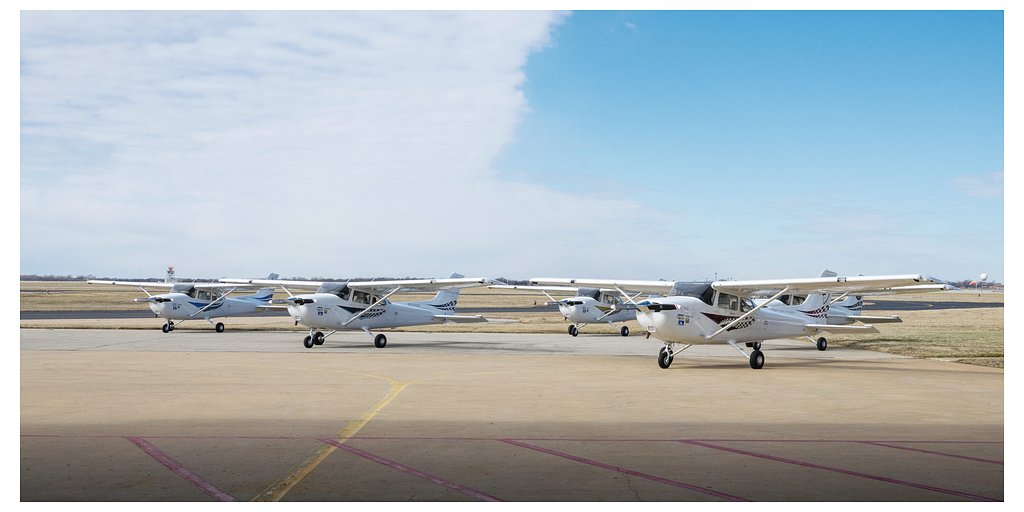
Textron's Top Hawk Program Fuels Pilot Pipeline in Second Decade
WICHITA, KS – April 06, 2026 – As the aviation industry grapples with a persistent and challenging pilot shortage, Textron Aviation has doubled down on its commitment to workforce development, naming the 2026 recipients of its acclaimed Top Hawk program. The initiative, now entering its second decade, provides a critical infusion of modern aircraft and technology to flight schools across the nation, directly fueling the pipeline of next-generation aviators.
This year, five organizations—Brazos Valley Flight Services, Executive Air Taxi Corporation, Fairmont State University, Sterling Flight Training, and Victors Aviation—will each receive a factory-new, custom-branded Cessna Skyhawk for a one-year term. This loan of the world's most popular training aircraft is designed to modernize fleets, provide students with advanced tools, and ultimately help close a labor gap that threatens the industry's growth.
A Decade-Long Solution to a Critical Shortage
Launched in 2015, the Top Hawk program has become one of the longest-running and most impactful manufacturer-school partnerships in aviation. Over the past ten years, the program has placed 55 new Skyhawks into training environments, enabling more than 1,000 students to gain experience in state-of-the-art aircraft. Many of these graduates have gone on to successful careers as flight instructors, airline pilots, and military aviators.
The program's significance is underscored by stark industry forecasts. While Textron's announcement cites a need for over 200,000 new pilots in the coming decade, other analyses paint an even more demanding picture. Boeing's 2023 Pilot and Technician Outlook projects a global need for 649,000 new commercial pilots by 2042, while CAE's 2025 forecast calls for 300,000 new pilots within the next ten years. These figures highlight the immense pressure on training organizations to increase capacity and efficiency.
"Top Hawk has grown into a powerful engine for pilot development," said Chris Crow, vice president of Piston & Utility Sales at Textron Aviation, in a statement. "These organizations demonstrate strong student engagement, high training utilization and a commitment to growing the next generation of aviators." The numbers bear this out, with early program recipients logging over 1,300 flight hours on their Top Hawk aircraft in less than a year.
Modernizing the Training Fleet
The program's impact extends beyond simply adding an aircraft to a school's flight line. The Cessna Skyhawk provided is equipped with the Garmin G1000 NXi integrated flight deck, a standard in modern general aviation and a direct stepping stone to the systems used in commercial airliners and business jets. This gives students invaluable hands-on experience with the glass cockpit technology they will encounter throughout their careers.
By introducing advanced avionics, wireless connectivity, and standard safety features like angle-of-attack indicators, the Top Hawk program ensures that training curricula remain aligned with current technology. For many participating schools, the loaned Skyhawk becomes the most advanced and most utilized aircraft in their fleet, accelerating student progression and better preparing them for the realities of the modern cockpit. This modernization is a key component in addressing not just the quantity of pilots, but the quality and readiness of new aviators entering the workforce.
Meet the New Class of Aviators
The 2026 recipients represent a diverse cross-section of the American flight training landscape, each poised to leverage the Top Hawk aircraft in unique ways.
- Fairmont State University in West Virginia, home to the state's only FAA-approved Part 141 flight program, will integrate the Skyhawk into its Bachelor of Science degree curriculum. The university's Aviation Center of Excellence emphasizes producing "exceptional aviators" through a rigorous academic and flight-based program.
- Sterling Flight Training, with locations in Florida, partners with institutions like Liberty University and Purdue Global University, demonstrating a model that blends vocational training with higher education to create multiple career pathways.
- Victors Aviation in Michigan, founded by a former U.S. Navy Blue Angels pilot, brings a unique philosophy of developing "Pilots, Professionals, and Pioneers," combining elite flight instruction with personal and professional development.
- Executive Air Taxi Corporation in North Dakota serves a vital role in its region, offering a full suite of aviation services from flight instruction to charter and maintenance, making it a key hub for local aviation development.
- Brazos Valley Flight Services in Texas joins this distinguished group, ready to enhance its training capabilities and contribute to the growing demand for pilots in the southern United States.
Beyond the Flight Line: Community and Economic Impact
The influence of the Top Hawk program radiates far beyond the tarmac. Participating schools frequently use their distinctively branded Skyhawks for community outreach, including discovery flights for aspiring pilots, appearances at local airshows, and youth aviation days. These activities serve as powerful recruitment tools, exposing thousands of young people to the possibilities of a career in aviation and helping to build a more diverse and enthusiastic future talent pool.
This grassroots engagement is a vital part of a much larger economic engine. According to a 2023 study, the general aviation industry contributes over $339 billion to the U.S. economy and supports 1.3 million jobs. Programs that directly support the training of new pilots are essential for sustaining and growing this economic impact. By ensuring a steady supply of qualified professionals to fly commercial, cargo, and business aircraft, initiatives like Top Hawk provide the human capital necessary to keep the entire aviation ecosystem running.
A Competitive Landscape of Innovation
Textron Aviation's approach of loaning factory-new aircraft is a standout strategy, but it reflects a broader industry trend of manufacturers taking a more direct role in pilot development. Other companies, such as Diamond Aircraft, have established programs like the Diamond Authorized Training Centers (DATC) to accredit and support flight schools that use their aircraft, focusing on standardizing high-quality training.
While the methods differ, the goal is the same: to forge stronger partnerships between manufacturers and educators to solve the workforce crisis. By providing access to modern equipment, promoting best practices, and raising the profile of flight training, these companies are making a strategic investment in their own future. A healthy, growing pilot population ensures a continued market for new aircraft and a vibrant aviation industry for decades to come. These collaborative efforts are proving to be one of the most effective strategies for ensuring the skies remain open, safe, and fully staffed.
Topics & Related
GPUs
Related Company Pulse