
- 39 acid attack survivors placed in formal employment
- 80% job retention rate after six months
- 68 survivors trained across three states
Experts are hailing the 'Reappearance Protocol' as one of India's most comprehensive reintegration systems for acid attack survivors, prioritizing long-term success and sustainable employment over short-term aid.
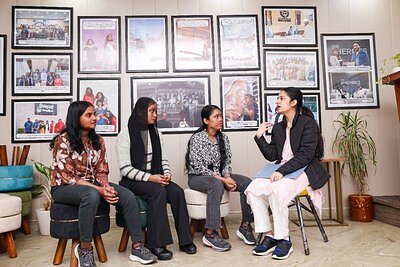
Teen's Protocol Creates New Future for Acid Attack Survivors
NEW DELHI, INDIA – December 31, 2025 – By Janet Adams
A groundbreaking initiative led by a 16-year-old student is rewriting the narrative for acid attack survivors in India, moving beyond medical aid and legal battles to forge sustainable paths to economic independence. The 'Reappearance Protocol,' designed by Amity International School student Samaya Chauhan, has successfully placed 39 survivors into formal employment, boasting an impressive 80% job retention rate after six months. This achievement marks a significant milestone for Chauhan's youth-led organization, PLAN Y, and offers a new blueprint for rehabilitation efforts nationwide.
The initiative has trained 68 survivors across three states, demonstrating a scalable model that challenges the systemic barriers that have long prevented survivors from re-entering the workforce and public life with dignity. Experts are hailing it as one of the country's most comprehensive reintegration systems, one that prioritizes long-term success over short-term aid.
A New Blueprint for Reintegration
At the heart of the program's success is its unique three-tier reintegration model, which addresses the complex, interconnected challenges survivors face. The 'Reappearance Protocol' moves beyond conventional skill training by simultaneously preparing survivors for the workplace, holding employers accountable for creating safe and inclusive environments, and meticulously documenting systemic gaps in state-mandated rehabilitation to advocate for policy change.
Participants in the protocol undergo over 50 hours of structured programming delivered through trauma-informed cohorts. This intensive curriculum is designed not just to make survivors employable, but to empower them. The modules cover essential topics including workplace rights, digital literacy, financial planning, and, crucially, self-advocacy. The goal is to equip them with the tools to navigate professional environments with confidence and assert their right to a respectful career.
"Rehabilitation cannot end at medical recovery or compensation," said Samaya Chauhan, the founder of PLAN Y. "Survivors need pathways back into schools, workplaces, and public life on their own terms. The Reappearance Protocol was designed to make that possible. We wanted to provide them with the access to the right kind of resources to lead their lives with dignity."
Beyond Charity: The Science of Sustainable Employment
While Indian law, through measures like the 2016 Rights of Persons with Disabilities Act, provides job quotas for survivors, accessing these opportunities is often fraught with bureaucratic hurdles and social stigma. Many employers remain hesitant to hire individuals with visible disfigurements for public-facing roles, pushing survivors further into isolation. The 'Reappearance Protocol' directly confronts this reality.
Chauhan's team has established partnerships with 11 vetted 'ethical employers' committed to fostering inclusive workplaces. Before any placement is made, the PLAN Y team conducts a rigorous vetting of potential job roles—over 70 have been screened to date. This process involves detailed desk reviews, direct employer consultations, and a survivor-centered risk screening to ensure the environment is not only safe but also conducive to long-term growth. The resulting 80% six-month retention rate for the 39 placed survivors is a powerful testament to this meticulous, data-driven approach.
This stands in contrast to programs that offer only initial compensation or create sheltered employment within an NGO's own ecosystem. By integrating survivors into formal, mainstream employment, the protocol facilitates true social and economic reintegration, demonstrating that with the right support structure, survivors can thrive in competitive professional fields.
The Changemaker Behind the Movement
At sixteen, Samaya Chauhan balances her studies with her role as a formidable social entrepreneur and policy advocate. A trained Kuchipudi dancer, she has already leveraged her artistic talents for social good, conducting art and dance therapy workshops for trauma survivors, including those of acid attacks, through her 'Dance for Good' project. This holistic approach, which recognizes the need for emotional and psychological healing alongside economic empowerment, is a cornerstone of her work.
Her journey into activism began not with gender justice, but with a response to the rising mental health crisis and cyberbullying she witnessed among her peers during the COVID-19 pandemic. Haunted by stories of students suffering in silence, she founded the Policy Leadership Advocacy Action Network for Youth (PLAN Y) to create peer-led support systems. Initial projects like 'Bullying: Full Stop' quickly grew into a multi-state network.
This foundation in addressing youth mental health provided the empathy-driven framework that now defines PLAN Y's broader mission. Chauhan, who has been recognized with the BW Businessworld Gen Z & Gen Alpha Changemakers Award (2025) and the Big Impact Award for Mental Well-being (2024), embodies a new generation of leaders who see interconnectedness between social issues and build systemic solutions to address them.
From Awareness to Action: The PLAN Y Model
The 'Reappearance Protocol' is the flagship program of PLAN Y's Gender Justice and Rehabilitation vertical, but it represents the organization's wider philosophy: moving beyond awareness campaigns to deliver measurable, on-the-ground impact. PLAN Y has evolved into a formidable youth-led policy advocacy network with over 350 volunteers working across verticals that include mental health, senior citizen welfare, cybersafety, and climate action.
With a reach extending to over 500 schools and a supporter base of 40,000 globally, the organization operates on a tiered leadership model that empowers student volunteers at the grassroots level. This structure has allowed it to implement impactful initiatives and submit concrete policy proposals to government ministries. Its work has even been recognized by government bodies like NITI Aayog, which has lauded its initiatives as effective 'policy-in-action models.'
The success of the 'Reappearance Protocol' is not just a victory for the 39 survivors who have found new careers; it is a powerful demonstration that youth-led initiatives, when designed with rigor and executed with empathy, can drive profound systemic change and offer tangible hope to society's most vulnerable populations.