
- 27,000 hectares: The Pemba Channel Conservation Area (PECCA) protected by the Underwater Room's proceeds.
- 90% live coral cover: Resilience of Pemba Channel's coral reefs, identified as a climate change refuge.
- 40 threatened species: Protected by the conservation efforts funded by the Underwater Room.
Experts would likely conclude that the Underwater Room at The Manta Resort sets a pioneering model for regenerative tourism, demonstrating how luxury hospitality can directly fund marine conservation and community development while fostering ecological protection.
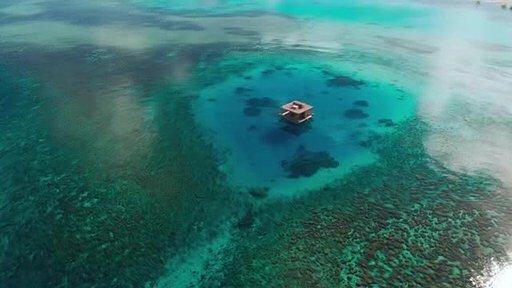
Tanzania’s Underwater Room: A New Blueprint for Ocean Conservation
PEMBA ISLAND, Tanzania – May 12, 2026 – Off the coast of a remote Tanzanian island, a sleek wooden structure floats serenely on the turquoise waters of the Indian Ocean. But its most remarkable feature lies hidden three meters below the surface: a bedroom encased in glass, offering a 360-degree view of a vibrant coral reef. This is the newly reimagined Underwater Room at The Manta Resort, an ambitious project that aims to redefine the relationship between luxury tourism and environmental stewardship.
Announced today, the launch of this third-generation underwater suite is more than just a feat of engineering; it represents a pioneering model for "regenerative tourism." In a radical departure from conventional hospitality, the resort has pledged that all proceeds from this unique accommodation will be directly channeled into marine conservation and community development, turning an exclusive guest experience into a sustainable engine for ecological protection.
A New Generation of Underwater Hospitality
The concept of living beneath the waves has long captured the human imagination, but realizing it safely and comfortably is a monumental challenge. The new Underwater Room, developed by the specialists at Genberg Underwater Hotels, is the culmination of over two decades of innovation, building upon lessons learned from its predecessors: the original Utter Inn in Sweden (2001) and the first Manta Underwater Room (2013).
This latest iteration incorporates twelve years of operational data from its former self, resulting in significant upgrades to design, materials, and safety systems. The goal was to enhance long-term performance and guest comfort while withstanding the demanding marine environment of the Pemba Channel. The result is a private floating island with three levels: a sun-drenched rooftop for stargazing, a water-level deck with a lounge and bathroom, and the spellbinding submerged bedroom below. Here, guests are not just observing the ocean; they are immersed within it, as schools of trumpetfish and the occasional octopus drift past their windows.
In a poignant symbol of the project's cyclical philosophy, the original Underwater Room, after a decade of service, has been given a new purpose. It has been carefully submerged and placed within the resort's protected marine area to serve as a new artificial reef. This act ensures its continued contribution to the ecosystem, providing a complex structure for corals to colonize and fish to inhabit, transforming a piece of tourism infrastructure into a permanent part of the marine habitat.
Beyond Luxury: A Model for Regenerative Tourism
While the experience is undeniably luxurious, the project's true significance lies in its financial model. The Manta Resort has partnered with Blue Alliance, a non-profit organization dedicated to managing large-scale Marine Protected Areas (MPAs). Through this collaboration, the Underwater Room has become what they term a "reef-positive" product. Every dollar spent by guests for a night beneath the waves directly funds the conservation of the very ecosystem they are enjoying.
This isn't a vague promise of corporate responsibility; the pipeline is direct. The funds support the management of the Pemba Channel Conservation Area (PECCA), a 27,000-hectare zone of critical marine biodiversity. This includes financing daily patrols by Blue Alliance rangers to prevent illegal fishing, monitoring and removing invasive crown-of-thorns starfish that decimate coral, and protecting vital sea turtle nesting sites along the coast. Guests are even invited to participate in citizen science, helping to track sightings of endangered Napoleon wrasse.
"The underwater room has shown that a very small footprint can still create meaningful impact," said Matt Saus, CEO and co-founder of The Manta Resort, in a statement. "This project has always been about more than just creating a unique place to stay. It shows how tourism and innovation, when carefully managed, can contribute to protecting marine ecosystems and supporting coastal communities." The model extends beyond environmental work, also funding community-based aquaculture projects and sustainable fishing education, creating alternative livelihoods that reduce pressure on the reef.
The Ecological Jewel of the Pemba Channel
The Manta Resort's initiative is set against the backdrop of one of East Africa's most ecologically vital, yet fragile, marine environments. Pemba Island, often overshadowed by its more famous sister island Zanzibar, is a biodiversity hotspot. The deep, cool waters of the Pemba Channel have made its coral reefs remarkably resilient, with some areas boasting over 90% live coral cover. This has led scientists to identify the region as a potential climate change refuge for marine life, making its protection a global priority.
The channel is a sanctuary for over 40 threatened species, including green and hawksbill turtles, dugongs, and various dolphins. The resort's conservation efforts, amplified by the funding from the Underwater Room, are central to safeguarding this natural heritage. The partnership with the local community has been particularly effective. Marine education programs have fostered a local conservation movement, with villagers now actively alerting rangers to turtle nests that need relocation to protected zones.
This deep integration of conservation and community is helping to shape Pemba's identity as a premier destination for discerning, responsible travelers. It offers an alternative to mass tourism, focusing instead on high-value, low-impact experiences that celebrate and sustain the island's unique natural and cultural landscape.
Redefining Experiential Travel
In the global market of unique accommodations, underwater suites are a rare and coveted prize. Destinations like the Conrad Maldives and Atlantis, The Palm in Dubai offer opulent underwater residences with staggering price tags, often focusing on the sheer spectacle of man-made lagoons. The Manta Resort, however, carves out a different niche. Its offering is less about extravagant luxury and more about authentic immersion in a wild, natural ecosystem.
The true luxury here is not gold-plated faucets, but the unparalleled access to a thriving marine world and the knowledge that one's presence is actively contributing to its preservation. It presents a compelling challenge to the travel industry, suggesting a path where the most sought-after experiences are those that give back more than they take. As travelers increasingly seek purpose and connection, this small floating room in Tanzania may well represent more than just a novelty; it could be a glimpse into the future of sustainable, meaningful travel.