
- €120M Investment: Tallinna Vesi is undertaking a €120 million, two-year capital expenditure program to modernize Tallinn's water infrastructure.
- €25M Loan: The company secured a €25 million loan from the Nordic Investment Bank (NIB) for this initiative.
- Debt-to-Assets Ratio: As of 2024, the utility's debt-to-assets ratio stands at 61.71%, which will increase with the new loan.
Experts view Tallinna Vesi's €120 million green overhaul as a strategic pivot towards sustainability and efficiency, balancing increased debt with long-term resilience and environmental benefits.
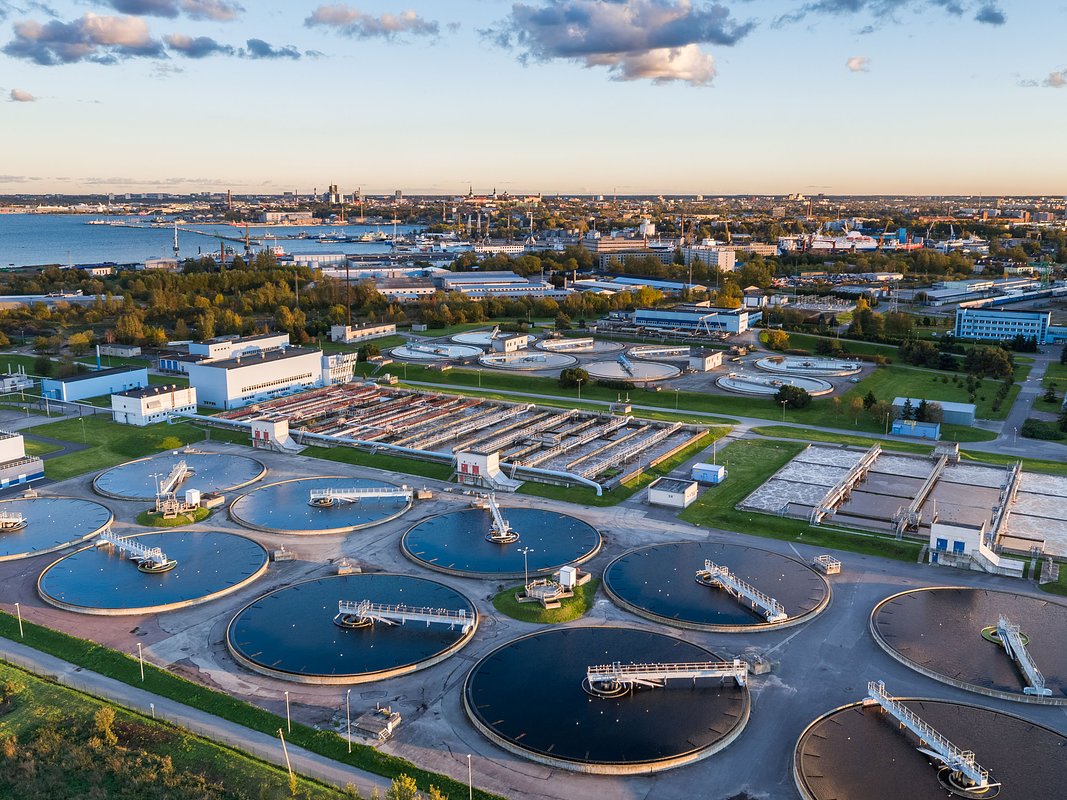
Tallinna Vesi’s Green Overhaul: A €120M Bet on Estonia’s Future
TALLINN, ESTONIA – December 11, 2025 – Tallinna Vesi, Estonia’s largest water utility and a key player on the Nasdaq Tallinn exchange, has secured a €25 million loan from the Nordic Investment Bank (NIB). While the figure itself may not immediately startle investors, its purpose is a cornerstone of a much larger ambition: a €120 million, two-year capital expenditure program designed to fundamentally modernize Tallinn's water infrastructure.
This move is more than just routine maintenance. It represents a significant strategic pivot for the utility, which serves nearly half a million consumers. By securing long-term, 15-year financing from a green-mandated institution, Tallinna Vesi is making a calculated bet on sustainability, efficiency, and resilience. For investors, this decision introduces a complex interplay of opportunity and risk, balancing increased debt against the promise of a future-proofed, highly efficient public service.
Decoding the Financial Strategy
At first glance, Tallinna Vesi's balance sheet tells a story of steady growth tempered by rising costs. The company reported a 12.1% increase in total sales for 2023, reaching €61.14 million. However, profitability has been under pressure, with operating profit declining significantly in recent years due to soaring electricity costs and other provisions. This new investment program lands at a time when the company’s financial leverage is already on the rise.
By the end of 2024, the utility's outstanding loans stood at €118 million, pushing its debt-to-assets ratio to 61.71%. The addition of the NIB loan will increase this leverage further. This is a critical metric for investors, especially when viewed alongside the company's dividend policy, which aims to distribute 50-80% of annual profits to shareholders. The board now faces the delicate task of servicing higher debt and funding one of its most ambitious investment cycles, all while meeting shareholder expectations for returns.
However, this loan isn't an isolated event. It is part of a broader financing structure initiated in 2023 and follows a consistent pattern of escalating investment, from €15 million in 2021 to nearly €50 million in 2024. This history suggests a deliberate, long-term strategy rather than a reactive measure. The 15-year term of the NIB loan provides stability, locking in capital for critical projects and insulating the company from short-term financing volatility.
A Green Mandate Meets Critical Need
The €120 million program is sharply focused on Tallinn's wastewater infrastructure, an area of critical need across Europe. The funds are earmarked for two primary initiatives: the reconstruction of up to 18 kilometers of the wastewater network and significant energy efficiency upgrades at the Paljassaare wastewater treatment plant. These projects directly address the dual risks of environmental contamination from aging pipes and the high energy costs associated with water treatment.
The choice of the Nordic Investment Bank as a financial partner is particularly telling. The NIB, co-owned by the Nordic and Baltic nations, operates under a strict mandate to fund projects that demonstrably improve productivity and the environment. Its portfolio is heavily weighted towards green initiatives, from offshore wind farms in Poland to battery storage parks in Estonia. For a project to secure NIB financing, it must pass a rigorous sustainability assessment, aligning with criteria like pollution reduction, resource efficiency, and climate change mitigation.
This partnership elevates Tallinna Vesi’s plan from a simple infrastructure spend to a certified green initiative. As CFO Taavi Gröön stated in the announcement, "This agreement will help us implement our investment plan and ensure the high quality and sustainability of our water services while maintaining a clean natural environment." This external validation from a respected international institution not only bolsters the company's credentials—recently burnished by an "Estonian Green Company of the Year" award—but also de-risks the execution in the eyes of environmentally-focused stakeholders and investors. The upgrades, particularly to the air blower system and biological treatment process, are designed to deliver quantifiable reductions in energy consumption and, by extension, the company's carbon footprint.
The Broader European Context
Tallinna Vesi's challenges and strategic response are a microcosm of a much larger story unfolding across the continent. Water utilities from Lisbon to Helsinki are grappling with aging infrastructure, a problem exacerbated by decades of underinvestment. Industry groups like Water Europe estimate an investment gap of hundreds of billions of euros is needed to ensure water resilience in the face of climate change and tightening EU regulations.
Historically, many utilities in Central and Eastern Europe relied heavily on EU structural funds for major upgrades. However, that model is becoming less sustainable. The current trend is shifting towards diversified financing, blending public funds, private capital, and loans from international financial institutions like the NIB and the European Investment Bank. Tallinna Vesi’s strategy is a textbook example of this modern approach.
Furthermore, the focus on energy efficiency and resource recovery aligns with the European water sector's pivot towards a circular economy model. Leading utilities are no longer just treating water; they are becoming resource factories, generating biogas from sewage sludge to produce their own heat and electricity—a practice Tallinna Vesi has already integrated into its operations. By modernizing its treatment processes, the company is doubling down on a strategy that promises both environmental benefits and long-term cost savings, shielding it from volatile energy markets.
The Investor's Perspective: Balancing Risk and Resilience
For those watching Tallinna Vesi's stock, this investment program presents a classic "Market Movers" scenario of risk versus reward. The primary risk is financial. The increased debt load is undeniable and will be a key focus in upcoming quarterly reports. Execution risk is also significant; large-scale infrastructure projects are complex and prone to delays and cost overruns. Investors will need to see clear progress and disciplined project management to maintain confidence.
On the other side of the ledger, the opportunity is substantial. These investments are not merely defensive; they are designed to build a more resilient and efficient enterprise. Modernizing the network reduces the likelihood of costly breakdowns and potential environmental fines. Improving energy efficiency at the treatment plant directly impacts the bottom line, creating a long-term hedge against one of the company's biggest operational expenses.
This strategic overhaul enhances the intrinsic value of the company's assets and solidifies its social license to operate. In an era where Environmental, Social, and Governance (ESG) metrics are increasingly critical to institutional investors, Tallinna Vesi is proactively building a compelling narrative. The move transforms the utility from a stable, if somewhat staid, dividend-payer into a forward-looking infrastructure leader actively preparing for the environmental and economic challenges of the next several decades. This ambitious undertaking makes Tallinna Vesi a crucial company to watch, as its success or failure will serve as a valuable benchmark for the future of European water management.