
- Global cycle tourism market: Valued at over $135 billion in 2024, projected to grow at nearly 10% annually through 2030. - Bike-Friendly Accommodations: Over 500 certified establishments across Taiwan. - Projected market value: Expected to exceed $230 billion by 2030.
Experts view Taiwan's strategic investment in cycle tourism as a well-calculated move to capture a high-value, sustainable travel market, leveraging its infrastructure and hospitality to compete globally.
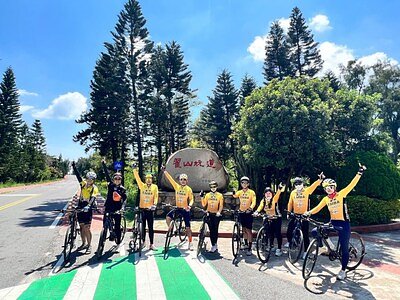
Taiwan's Pedal-Powered Play for the New Tourism Economy
TAIPEI, Taiwan – December 11, 2025 – The Taiwan Tourism Administration (TTA) recently amplified its campaign promoting a network of "Bike-Friendly Accommodations," a move that might seem like a niche marketing effort at first glance. However, a deeper analysis reveals a far more ambitious strategy. This is not merely about attracting tourists with bicycles; it's a calculated, multi-billion-dollar play to dominate a rapidly growing segment of the global travel market and redefine Taiwan's international brand. By meticulously weaving together its manufacturing legacy, advanced infrastructure, and targeted hospitality services, Taiwan is building a comprehensive economic ecosystem on two wheels.
The initiative taps directly into the burgeoning global cycle tourism market, a sector valued at over $135 billion in 2024 and projected to grow at a compound annual rate of nearly 10% through 2030. This isn't a market of casual vacationers; it's comprised of a highly desirable demographic. Research shows touring cyclists are often well-educated, have higher disposable incomes, and tend to stay longer, spending more in local communities than the average tourist. For Taiwan, capturing even a small fraction of this market represents a significant economic windfall.
The Infrastructure of Experience
At the heart of Taiwan's strategy is the systematic elimination of friction for the international cycling tourist. The TTA's "Bike-Friendly Accommodation" certification program is the cornerstone of this effort, directly addressing the practical pain points that can derail a cycling journey. The press release highlights secure bike storage, but the reality is a far more sophisticated support system.
To earn certification, establishments—now numbering over 500 across the island—must meet core criteria. This includes providing secure, managed spaces for bicycle parking, with some hotels even offering in-room wall racks. Crucially, they must also provide dedicated areas for cleaning and basic maintenance, recognizing that a day on the road often involves more than just pedaling.
Beyond these basics, a suite of recommended services transforms a simple hotel stay into an integrated part of the cycling experience. These include offering early breakfasts or packed meals for riders eager to start at dawn, providing late check-out options for those returning from grueling morning rides, and facilitating bicycle rentals for travelers who don't bring their own equipment. This level of detail demonstrates a deep understanding of the user's needs. It's a strategic investment in experience design, turning potential logistical headaches into seamless moments of comfort and convenience. This network of support is strategically overlaid on an already impressive foundation: an extensive island-circling route network, including the famed 968-kilometer Taiwan Cycling Route No. 1, and routes through world-renowned scenic areas like Sun Moon Lake and the dramatic Taroko Gorge.
Pedaling for Profit in a High-Value Market
Taiwan's investment in this niche is a direct response to clear economic signals. The global shift towards sustainable, experiential travel has made cycling tourism one of the fastest-growing sectors in the industry. With a projected market value exceeding $230 billion by 2030, the financial incentive is undeniable. Taiwan is positioning itself not just as a participant, but as a leader, competing with established European destinations like France, Italy, and the Netherlands.
The Asia-Pacific region is the fastest-growing market for cycle tourism, and Taiwan is leveraging its unique advantages to lead the charge. The government's strategy is twofold: build world-class physical infrastructure and cultivate a culture of hospitality that caters specifically to cyclists. Financial aid for hotels upgrading their facilities, coupled with the "Taiwan Excellence" initiative promoting the nation's top-tier bicycle brands, creates a powerful synergy. This links the country's industrial strength in manufacturing with its tourism ambitions, effectively turning the entire island into a showroom for its own products.
By attracting this specific tourist demographic, Taiwan is also fostering a more sustainable form of economic growth. Cyclists, by nature, travel slower and are more likely to engage with small, local businesses in rural areas that are often bypassed by conventional tourism. This distributes economic benefits more evenly and encourages the preservation of the natural and cultural landscapes that make the routes attractive in the first place.
The View from the Saddle
While the top-down strategy is robust, its success ultimately hinges on the on-the-ground experience. Feedback from international cyclists who have tackled Taiwan's routes paints a largely positive, albeit realistic, picture. Overwhelmingly, riders praise the island's stunning and diverse scenery, from the lush East Rift Valley to the dramatic Pacific coastline. The quality of the infrastructure, particularly the well-maintained roads and dedicated bike lanes in many areas, is frequently cited as a major advantage.
However, the most common praise is reserved for the human element. Cyclists consistently report experiences of profound kindness and generosity from local residents, creating a welcoming atmosphere that money cannot buy. The convenience of ubiquitous convenience stores for resupply and a train system that largely accommodates bicycles adds another layer of practicality.
Still, the experience is not without its challenges. Navigating heavy traffic in dense urban centers can be daunting for some, and the island's mountainous interior presents formidable, steep climbs that demand a high level of physical fitness. Weather can also be a factor, with seasonal headwinds and rain requiring careful planning. These candid reviews underscore the importance of the TTA's support infrastructure. A secure place to rest and a hot meal become all the more valuable after a long day battling a steep grade or an unexpected downpour.
Taiwan's approach is a compelling case study in modern destination development. It moves beyond generic marketing to build a specialized, high-value product tailored to a specific global tribe. By investing in the granular details of the user experience while keeping an eye on the macroeconomic trends of sustainable and experiential travel, the island is forging a formidable competitive advantage. This isn't just about becoming a "cycling paradise"; it's about engineering a new engine for economic growth, powered by pedals and precision planning.