
- 16,329 submissions from 73 countries in the 2025 Taiwan International Student Design Competition (TISDC).
- 76 winners selected, with local talent securing 43 awards, including the Grand Prix and Gold Prizes.
- NTD 4 million prize pool for the competition.
Experts view Taiwan's success in the TISDC as evidence of a deliberate, multi-decade strategy to cultivate a world-class creative economy, positioning the country as a global leader in design innovation and purpose-driven problem-solving.
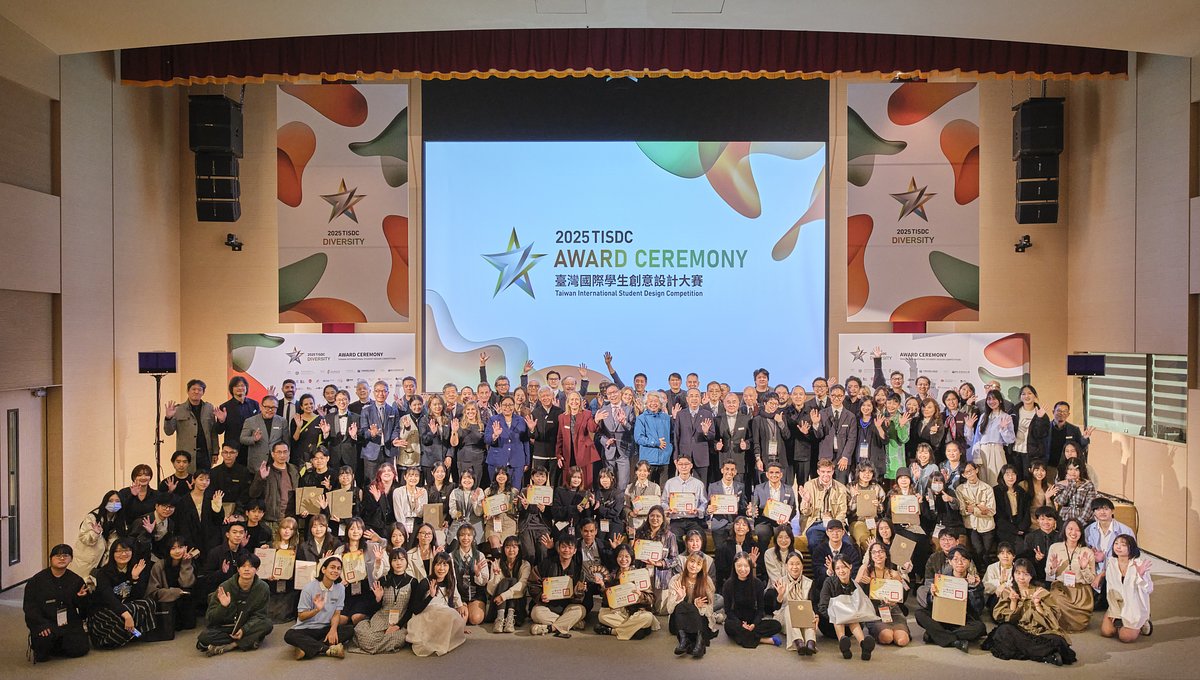
Taiwan’s Design Dynasty: More Than a Win, It’s a Global Strategy
TAIPEI – December 10, 2025
The award ceremony for the 2025 Taiwan International Student Design Competition (TISDC) has concluded, and on the surface, the story is one of impressive numbers: 16,329 submissions from 73 countries, a prize pool of nearly NTD 4 million, and 76 winners selected from a fiercely competitive field. But to focus solely on the ceremony is to miss the larger, more significant narrative unfolding. The event, organized by Taiwan's Ministry of Education and executed by National Taiwan University of Science and Technology (NTUST), is far more than a student contest; it’s a powerful indicator of Taiwan's deliberate strategy to cultivate a world-class creative economy and a platform showcasing how the next generation of innovators is being trained to solve global challenges.
The exceptional performance of local talent, who secured an astounding 43 awards including the coveted Grand Prix and Gold Prizes in Visual and Fashion Design, is not a stroke of luck. It is the result of a meticulously constructed ecosystem designed to propel Taiwan to the forefront of global design. This competition serves as a microcosm of a national ambition, revealing a story that goes far beyond the launch of new student projects and into the very heart of educational policy, industry trends, and the future of purpose-driven innovation.
The Making of a Design Superpower
Taiwan's dominance at its own flagship competition is a recurring theme, but one that warrants deeper analysis. This success is the culmination of a multi-decade, top-down strategy. The Ministry of Education’s direct involvement in TISDC is a clear signal of a national commitment that treats design education not as an ancillary arts program, but as a core pillar of economic and cultural strategy. This sustained government backing creates a stable, prestigious platform that attracts the world's best young talent while simultaneously providing a high-stakes training ground for its own.
This government support is matched by a robust academic framework. Institutions like NTUST, the competition's executing university, have become globally recognized hubs for design excellence. Their curricula are known for blending rigorous theoretical knowledge with project-based, practical application. They foster an environment where students are not just taught design principles but are actively encouraged to compete on the world stage. This creates a culture of high achievement and international ambition. As one international design educator noted, “Taiwanese design programs are exceptional at integrating technology, cultural context, and a deep sense of social responsibility, preparing students not just to create beautiful objects, but to solve complex problems.”
The result is a pipeline of talent that consistently performs well in prestigious international awards beyond TISDC, including Germany’s Red Dot and iF Design Awards. This international validation reinforces Taiwan's reputation as a creative powerhouse, attracting further investment and talent, and creating a self-sustaining cycle of excellence. The success seen at TISDC is, therefore, a public display of a deeply rooted national strategy to build and export creative capital.
Design for a Diverse and Sustainable World
This year’s TISDC was guided by the theme "Diversity," a direct nod to the United Nations Sustainable Development Goals (SDGs). This thematic focus is a critical element of the competition's impact, pushing students to move beyond aesthetics and engage with pressing global issues. By aligning with the SDGs, TISDC is actively shaping a generation of designers who see their work as a tool for social and environmental change.
The winning projects, year after year, reflect this ethos. While the specific 2025 winners are just now being unveiled, they follow a clear trend seen in previous top honorees. Past Grand Prix winners have included projects like a smart cane for the visually impaired that enhances safety and independence, and an eco-friendly fishing net designed to mitigate the environmental damage of “ghost fishing.” These are not speculative fantasies; they are well-researched, human-centered solutions that tackle issues of inclusivity, health, and environmental stewardship.
This focus transforms the competition from a simple showcase of skill into a powerful engine for innovation with purpose. It challenges students to consider the full lifecycle of their creations, their impact on communities, and their role in fostering a more equitable and sustainable world. The inclusion of sponsored awards like the TPCA Environment Foundation’s Environmental Sustainability Awards further incentivizes this thinking, providing tangible rewards for designs that prioritize the planet. By championing this approach, TISDC is helping to define the future of ethical design, where success is measured not just by market viability, but by positive social and environmental impact.
Redefining the Boundaries of Design
A significant development in the 2025 competition was the introduction of two new categories: Architecture & Landscape Design and Fashion Design. Their inclusion alongside the established fields of Product Design, Visual Design, and Digital Animation is a strategic response to a fundamental shift in the creative industries. The traditional silos that once separated design disciplines are dissolving, replaced by a demand for holistic, interdisciplinary solutions.
Modern challenges rarely fit into neat boxes. Creating a sustainable city, for example, requires the seamless integration of architecture, landscape design, smart product technology, and clear visual communication. Similarly, the future of fashion is inextricably linked to material science (product design), circular economy models, and digital platforms that reshape consumption. The addition of these new categories acknowledges this reality, preparing students for an industry where collaboration and cross-disciplinary skills are paramount.
This expansion reflects a broader trend where principles like user experience (UX), once the domain of digital and product designers, are now central to all creative fields. An architect considers the human journey through a building; a fashion designer focuses on comfort, function, and emotional connection. By broadening its scope, TISDC is not just adding more awards; it is validating the interconnected nature of contemporary design and encouraging students to think like systems-level problem solvers. This forward-looking approach ensures the competition remains relevant and continues to nurture talent equipped for the complexities of the future marketplace.
A Launchpad for Global Careers
For the 76 students who received awards, the recognition is more than a line on a resume—it's a powerful career accelerant. Winning a TISDC award provides immediate validation from a jury of 50 international experts, instantly elevating a student's portfolio to a global standard. This credential opens doors to job opportunities at leading design firms, tech companies, and creative agencies that actively seek out talent proven in such a competitive arena.
The networking opportunities at the award ceremony and exchange sessions, where winners interact with jurors and international design organization representatives, are invaluable. These interactions can lead to mentorships, collaborations, or even job offers that might otherwise take years to cultivate. The significant prize money can also serve as seed funding for an entrepreneurial venture or finance further education at elite graduate schools worldwide.
Ultimately, the TISDC's impact is measured in the long-term success of its participants. It serves as a critical launchpad, providing the visibility, credibility, and connections necessary to transition from student to professional. By fostering this next generation of global talent, the competition ensures that the innovative ideas showcased on its stage have the potential to grow into real-world solutions that shape industries and improve lives long after the awards ceremony has ended.