
- 4 million merchants served by SumUp across 37 countries
- 2.6% + 10 cents typical transaction fee for Square in-person payments
- $299 price of Square Terminal hardware
Experts would likely conclude that SumUp's new all-in-one terminal and integrated ecosystem present a compelling alternative to established players like Square and Clover, particularly for small businesses seeking simplicity, cost transparency, and a unified platform for payments and operations.
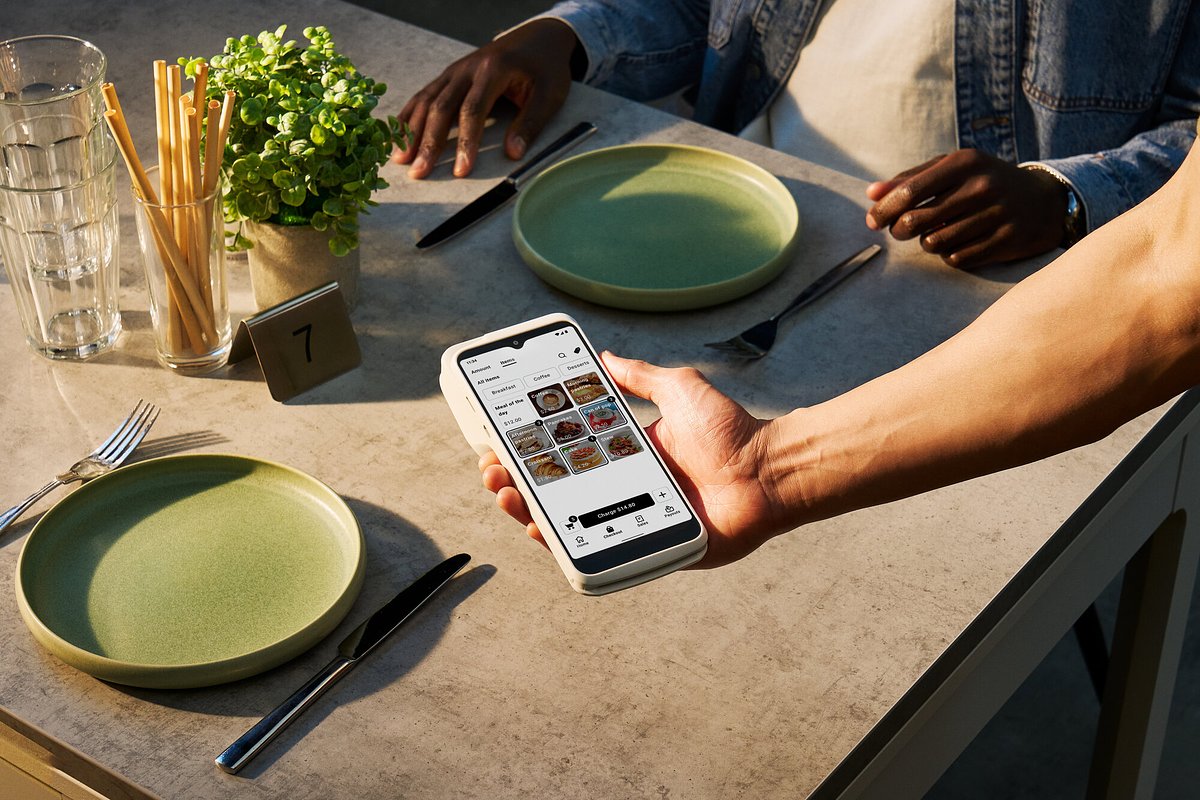
SumUp Challenges Square with New All-in-One Terminal for US SMBs
NEW YORK, NY – April 28, 2026 – Global financial technology company SumUp today announced a major expansion of its product ecosystem in the United States, signaling a direct challenge to established players in the lucrative small and medium business (SMB) market. The move, centered on the launch of a new all-in-one SumUp Terminal and enhanced business management software, aims to provide American entrepreneurs with a unified, simplified platform for payments and operations, tackling common frustrations with fragmented and costly systems.
With a proven track record of serving over four million merchants across 37 countries, SumUp is leveraging its global scale to deepen its commitment to the U.S. The company’s expanded offerings are structured under two clear pillars: Run Your Business, featuring a lightweight point-of-sale solution (POS Lite) and the new handheld Terminal, and Take Payments, which includes its portable card readers and invoicing tools. This strategy is designed to offer a cohesive alternative in a market where business owners often have to stitch together multiple services to manage their daily activities.
A Crowded Field Gets a New Contender
SumUp's strategic push places it in direct competition with some of the most recognized names in U.S. fintech, including Square, Clover, and PayPal Zettle. The American SMB payments and POS landscape is a fiercely contested battleground, with each incumbent offering a distinct value proposition.
Square, owned by Block Inc., has long been a market leader, attracting millions of businesses with its free entry-level POS software and an accessible ecosystem. Merchants using Square typically face transaction fees of 2.6% plus 10 cents for in-person payments, with hardware like the comparable Square Terminal costing around $299. Its strength lies in its intuitive interface and broad suite of integrated services, from inventory to payroll.
Clover, on the other hand, often operates on a hardware-first model with more complex, subscription-based pricing. Businesses may pay monthly fees ranging from $16 to over $179, frequently tied to multi-year contracts, in addition to transaction fees that hover between 2.3% and 2.6% plus 10 cents for card-present sales. Its powerful, industry-specific hardware like the Clover Flex, priced around $749, appeals to businesses with more complex operational needs.
SumUp aims to carve out its niche by focusing on simplicity and cost transparency. The company emphasizes a pay-as-you-go model with no long-term contracts or hidden monthly fees—a direct response to the complexities and long-term commitments that can deter small business owners. This approach aligns it more closely with PayPal Zettle, which also offers a no-monthly-fee structure and an all-in-one terminal, but SumUp brings the weight of a larger global footprint and a newly unified ecosystem.
Solving the Small Business Puzzle
The core of SumUp's U.S. strategy is to address the persistent pain points that plague American entrepreneurs. Many small business owners report feeling overwhelmed by the need to manage disparate systems for in-store sales, online payments, invoicing, and business reporting. This fragmentation not only creates operational inefficiencies but can also lead to an incomplete picture of business health.
The new generation of reporting tools and business insights built directly into the SumUp app is designed to solve this by giving merchants a single, clear dashboard to monitor their performance. By consolidating data from all payment sources—whether through a card reader, terminal, or invoice—the platform promises to give business owners more control over their growth.
“Small businesses shouldn't have to stitch together five different tools just to run their day,” said Ben Brazier, Head of Product at SumUp, USA. “We built this ecosystem around how merchants actually work — starting with payments, and layering in the management tools they need to stay on top of their business.”
The All-in-One Terminal Takes Center Stage
Driving the momentum of this expansion is the launch of the SumUp Terminal. This sleek, handheld device is a fully standalone unit that combines POS software, payment acceptance for chip, contactless, and mobile wallets, and business management tools. Unlike basic card readers that must be paired with a smartphone or tablet, the Terminal functions as a complete, self-contained solution for running a business from the counter or on the go.
This all-in-one approach is a clear philosophical statement. “The Terminal is the clearest expression of that philosophy: one device, everything you need, nothing you don't,” Brazier added. By integrating a printer, a long-lasting battery, and intuitive software into a single piece of hardware, SumUp aims to eliminate clutter and complexity for merchants who value speed and efficiency.
This positions the SumUp Terminal as a direct competitor to devices like the Square Terminal and Clover Flex, with the key battleground likely to be a combination of hardware cost, transaction fee transparency, and the seamlessness of the software experience. For a pop-up vendor, a small cafe, or a service provider in the field, the appeal of a single device that handles every aspect of a transaction is significant.
Beyond Payments: The Shift to Integrated Ecosystems
SumUp’s expansion is emblematic of a broader evolution in the financial technology sector. The most successful modern payment companies are no longer just processors; they are comprehensive business management platforms. This industry-wide shift reflects a growing demand from SMBs for holistic solutions that go beyond the simple swipe of a card.
This trend, often falling under the umbrella of “embedded finance,” sees financial services like payments, lending, and banking integrated directly into the software businesses use every day. The goal is to create a frictionless experience where financial operations are a natural extension of business management, not a separate, cumbersome task. Industry analysts project the embedded finance market to grow exponentially, reaching well over $1 trillion globally in the next decade.
By building out its ecosystem with tools for invoicing, POS management, and advanced analytics, SumUp is positioning itself not just as a payment utility, but as a central operating system for small businesses. Its success in the competitive U.S. market will ultimately depend on its ability to convince American entrepreneurs that its promise of a simpler, more transparent, and fully integrated platform is the superior solution for navigating the complexities of modern commerce.