
- 2,200+ businesses and tens of millions of subscribers analyzed in the 2026 State of Subscriptions report
- 337% surge in use of subscription pause options, with 75% of paused customers returning
- 13% conversion rate for short-term passes vs. 34% for traditional trials
Experts agree that consumer control and flexibility are now the primary drivers of growth in the subscription economy, with businesses benefiting from higher renewal rates and a more resilient revenue model when they prioritize trust and ease of use.
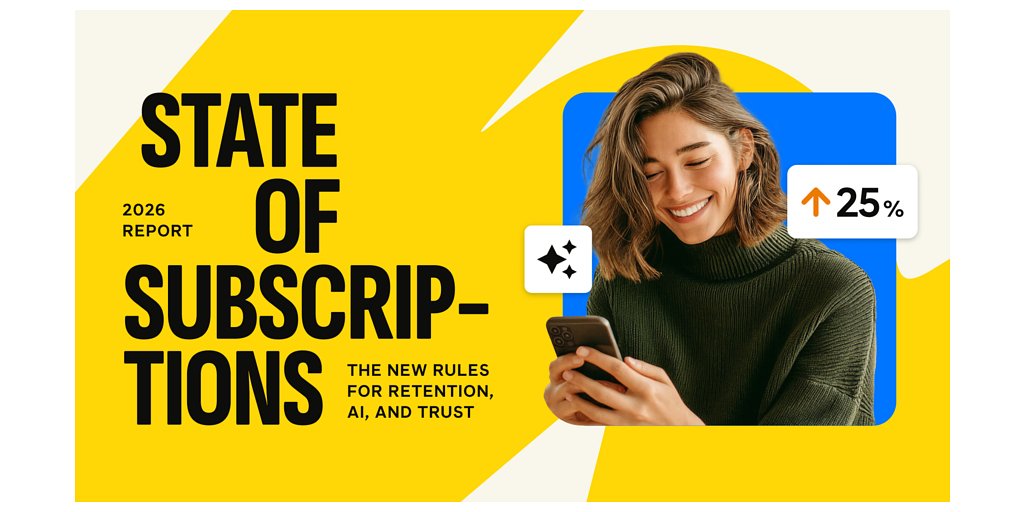
Subscription Economy Matures: Consumer Control Forges Stronger Growth
AUSTIN, TX – January 14, 2026 – The subscription economy is entering a new phase of maturity, where consumer control is not a threat to growth but its primary driver. A landmark report released today by subscription platform Recurly reveals a significant shift in user behavior, moving away from a passive “set it and forget it” model to one of active, intentional management. This evolution, according to the company's 2026 State of Subscriptions report, is forging a more resilient and predictable revenue landscape for businesses that embrace flexibility.
The report, which analyzes data from over 2,200 businesses and tens of millions of subscribers, indicates that growth is no longer solely a function of new customer acquisition. Instead, it is increasingly powered by renewals, upgrades, and, most notably, the return of former customers. This marks a fundamental change in how the consumer-business relationship is defined in the digital services era.
“Consumers have not lost interest in subscriptions,” said Joe Rohrlich, CEO of Recurly, in the report's announcement. “They are simply making clearer choices. That is leading to healthier long-term growth.”
The Revolving Door: Why Cancellation Is No Longer the End
A central finding of the report is the redefinition of customer churn. Cancellation, once viewed as the definitive end of a customer relationship, is now often just a temporary pause. The data shows that nearly one in four new subscriptions is initiated by a former customer, demonstrating a powerful “boomerang effect.” Consumers are cycling in and out of services based on their immediate needs, budget, and lifestyle changes, rather than leaving for good.
This trend is most evident in the explosive adoption of pause features. According to Recurly, the use of subscription pause options has surged by an astounding 337%. Critically, 75% of customers who pause their service eventually return, reactivating their subscription when the value proposition aligns with their life once again. This data provides a compelling business case for implementing flexible management options.
“People are practical about subscriptions,” noted Brian Geier, VP of Business Intelligence at Recurly. “When brands support flexibility, customers come back when the value is there.”
This aligns with broader industry analysis from firms like Zuora and Gartner, which have consistently highlighted that difficult cancellation or modification processes are a major source of consumer frustration and brand damage. In contrast, services that offer easy-to-use pause and restart functions, such as streaming giants like Netflix or meal-kit providers like HelloFresh, build trust and lower the barrier for a customer's return. The message is that empowering users to leave on their own terms paradoxically makes them more likely to come back.
Designing for the Modern Subscriber
As consumers become more discerning, the structure of a subscription offering is playing a greater role in its success. The report highlights a diversification of models beyond the traditional monthly plan. So-called “micro-subscriptions”—short-term passes that grant temporary access—are emerging as a viable alternative to free trials. While traditional trial conversions have stabilized at 34%, these short-term passes are successfully converting 13% of users into ongoing subscribers, capturing a segment of the market that may be hesitant to commit to a full trial.
Simultaneously, the strategic value of annual plans has been reaffirmed. Recurly’s data shows that annual plans continue to generate 50% to 60% more revenue per user than their monthly counterparts. The success of this model, however, relies on more than just a discounted price. It requires a thoughtful strategy around renewals and a clear communication of value that justifies the long-term commitment. This approach has been perfected by companies like Amazon with its Prime membership, which locks in customer loyalty and creates a predictable revenue stream.
The key for businesses is to offer a spectrum of choices—from short-term passes for the curious, to flexible monthly plans for the cautious, to value-packed annual plans for the committed. This multi-pronged approach allows companies to meet customers wherever they are in their journey.
The Rise of the Intelligent Subscription
Underpinning this new era of flexibility and personalization is the growing integration of Artificial Intelligence. The report finds that consumer comfort with AI is growing, with over 40% of respondents stating they are comfortable with AI managing aspects of their subscription experience. This acceptance is highest in areas that offer clear, tangible benefits, such as fraud prevention, payment recovery, and the delivery of personalized offers.
In practice, AI is becoming the engine that allows subscription businesses to respond to customer signals in real time. Machine learning algorithms can analyze transaction patterns to detect and block fraud before it occurs. AI-driven dunning systems can intelligently retry failed payments at optimal times, drastically reducing involuntary churn caused by expired credit cards or temporary bank issues. This recovers revenue that would have otherwise been lost.
Furthermore, AI is the key to unlocking hyper-personalization, moving beyond one-size-fits-all marketing. By analyzing usage data, AI models can predict which customers are at risk of churning and trigger proactive retention campaigns, such as a special offer or a helpful content suggestion. This shift from reactive to predictive retention is a hallmark of the maturing subscription market, though it also raises important questions about data privacy and algorithmic transparency that businesses must navigate carefully to maintain consumer trust.
A New Pact of Trust and Flexibility
The overarching theme of the 2026 State of Subscriptions report is the transition toward a more durable, trust-based ecosystem. The days of relying on consumer inertia and opaque cancellation policies are numbered. The next wave of growth will belong to brands that understand that customer loyalty is not captured but earned continuously.
By providing clear value, flexible options, and a frictionless experience for staying, leaving, and returning, businesses can cultivate a more stable and ultimately more profitable relationship with their subscribers. This represents a more sustainable path forward, one built on mutual respect between the business and the consumer.
“The next chapter of subscriptions is about trust and relevance,” Rohrlich concluded. “When brands get that right, recurring revenue becomes more dependable.” In this evolving landscape, the message is clear: the most dependable revenue comes not from locking customers in, but from making it easy for them to choose to stay.