
- 11,000 individuals from 85 federally recognized tribes have been disenrolled as of 2020, creating a growing diaspora of culturally homeless Indigenous people. - The Pechanga Band disenrolled hundreds of members between 2004 and 2006, including entire family lines, amid tightening membership rules. - The film You're No Indian has already received recognition, including the Joanelle Romero Impact Award at the Red Nation International Film Festival.
Experts would likely conclude that this case represents a critical clash between artistic freedom and tribal sovereignty, with significant implications for Indigenous representation and documentary filmmaking.
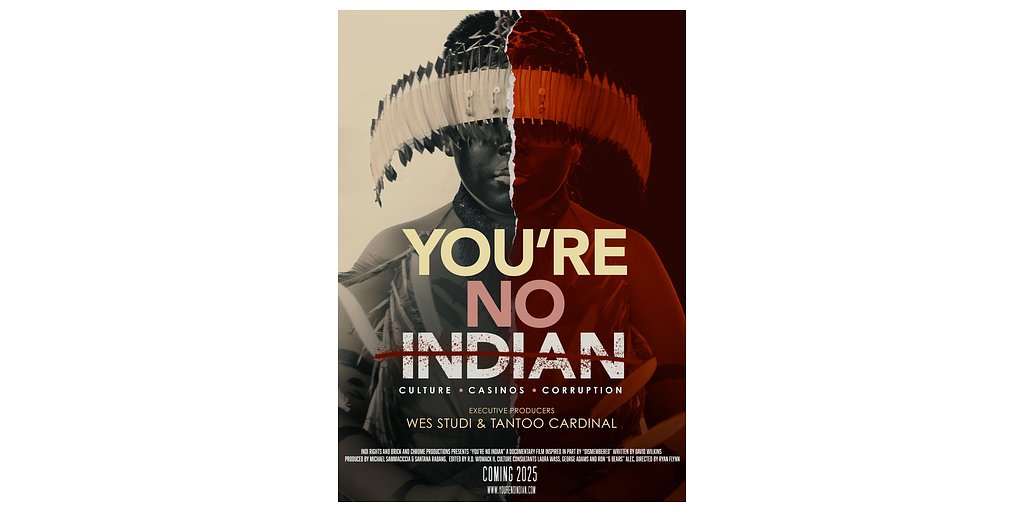
Sovereignty vs. Story: The Legal Fight Over 'You're No Indian' Film
LOS ANGELES, CA – November 26, 2025 – A critically acclaimed documentary has become the epicenter of a clash between freedom of expression and a sovereign nation's right to control its own narrative. On November 24, the filmmakers behind You’re No Indian received a cease-and-desist letter from attorneys representing the Pechanga Band of Indians and its Chairman, Mark Macarro. The letter demands a complete halt to all screenings and distribution of the film, which explores the deeply personal and controversial issue of tribal disenrollment.
The film, directed by Ryan Flynn and executive produced by renowned Indigenous actors Tantoo Cardinal and Wes Studi, has been making waves on the festival circuit. It gives a platform to individuals who have been stripped of their tribal citizenship, an experience they describe as losing not just benefits, but their very identity. Now, this legal challenge moves the conflict from the screen to the courtroom, raising complex questions about journalistic integrity, artistic license, and the unique legal status of Native American tribes.
In a statement, the filmmakers affirmed their commitment to the project’s accuracy. “Our team spent years documenting these stories, speaking with families, reviewing records, and consulting experts,” said Flynn. He noted that multiple documented attempts were made to include Chairman Macarro’s perspective during production, an invitation he says remains open. This standoff is more than a simple dispute; it’s a high-stakes confrontation over who gets to tell one of the most painful and divisive stories in modern Indigenous life.
The Unseen Scars of Disenrollment
At the heart of this firestorm is the practice of disenrollment, a process distinct from the traditional Indigenous custom of banishment for wrongdoing. Disenrollment is the formal, legal revocation of tribal citizenship. While tribal leaders often frame it as a necessary measure to correct historical inaccuracies in membership rolls, critics and those affected point to more modern, and often economic, motivations.
The rise of successful tribal gaming in the late 20th century created a new dynamic. For some tribes, casino revenues are distributed to enrolled members as per capita payments. Reducing the number of citizens can significantly increase the size of the payments for those who remain. The Pechanga Band, whose Southern California casino is highly profitable, has a documented history with this issue. Between 2004 and 2006, the tribe disenrolled hundreds of members, including entire family lines like the Gomez and Cuevas families, whose ancestry had previously been accepted. These actions, which followed a tightening of membership rules in the 1990s, have been linked by those affected to the desire to consolidate wealth.
The impact on disenrolled individuals is devastating, extending far beyond the loss of per capita payments. It severs access to tribal healthcare, housing, education, and cultural programs. More profoundly, it creates what many describe as a state of “cultural homelessness,” erasing a person’s identity and connection to their heritage and community. As of 2020, it is estimated that up to 11,000 individuals from 85 different federally recognized tribes have been disenrolled, creating a growing diaspora of people who are Indigenous by blood and heritage but are no longer recognized by their own governments.
When Free Speech Meets Sovereignty
This legal challenge from the Pechanga Band is not merely a complaint; it is an assertion of tribal sovereignty. As sovereign governments, Native American tribes possess the inherent right to determine their own membership. This principle was famously upheld in the 1978 Supreme Court case Santa Clara Pueblo v. Martinez, which affirmed that federal courts generally lack jurisdiction over tribal membership disputes. For disenrolled members, this means their only recourse is often through the very tribal governments that removed them.
The Pechanga Band’s letter, citing “concerns about research and representation,” leverages this sovereign status to challenge a narrative they evidently view as harmful or inaccurate. From their perspective, an external film crew documenting internal tribal matters is an intrusion on their right to self-governance and self-definition. This creates a complex legal and ethical gray area where a filmmaker’s First Amendment right to free expression collides with a nation’s right to be free from external misrepresentation.
For the documentary world, this case poses a significant threat. Legal challenges from well-resourced entities can create a “chilling effect,” discouraging filmmakers from tackling controversial but important social issues. Distributors and festival programmers may become wary of screening a film entangled in legal threats, regardless of its journalistic merit. The film’s premiere in Palm Springs was reportedly canceled for unclear reasons, a potential early sign of this pressure. The filmmakers stand by their process, but the specter of a protracted legal battle could cast a long shadow over the film’s future and its ability to spark the very dialogue it intended to create.
A Fight for the Narrative
Bolstering the film's credibility are its executive producers, Tantoo Cardinal and Wes Studi, whose involvement lends significant weight within the Indigenous community. Cardinal, who also narrates the film, has been a vocal supporter, stating, “Our people are being erased, by our own tribal governments, and that truth struck a nerve.” Their support reframes the film not as an outsider’s critique, but as an essential, if painful, internal conversation.
You're No Indian has already been recognized at multiple festivals, receiving the Joanelle Romero Impact Award at the RNCI Red Nation International Film Festival, an event dedicated to Indigenous storytelling. This suggests that portions of the Indigenous film community see the work as a valid and necessary exploration of a difficult topic.
The filmmakers have publicly reiterated their offer to include Chairman Macarro’s viewpoint, promising to present it “fully and without alteration.” This positions them as facilitators of a dialogue rather than partisan storytellers. However, the cease-and-desist letter indicates that the Pechanga Band may see the damage as already done. As the legal posturing continues, the core issues of identity, belonging, and justice hang in the balance, impacting not only the individuals on screen but also the future of documentary filmmaking on sensitive sovereign ground.