
- 95,000 solar panels remanufactured in Sparta, Tennessee, representing a 50-megawatt project.
- 4-5 million panels retired annually in the U.S., expected to double by 2030.
- 78 million metric tons of global solar panel waste projected by 2050 (IRENA).
Experts agree that remanufacturing solar panels is a critical solution to the growing waste crisis, offering both economic and environmental benefits while ensuring reliable second-life energy assets.
Solar's Second Act: How Remanufacturing Is Tackling a Green Energy Crisis
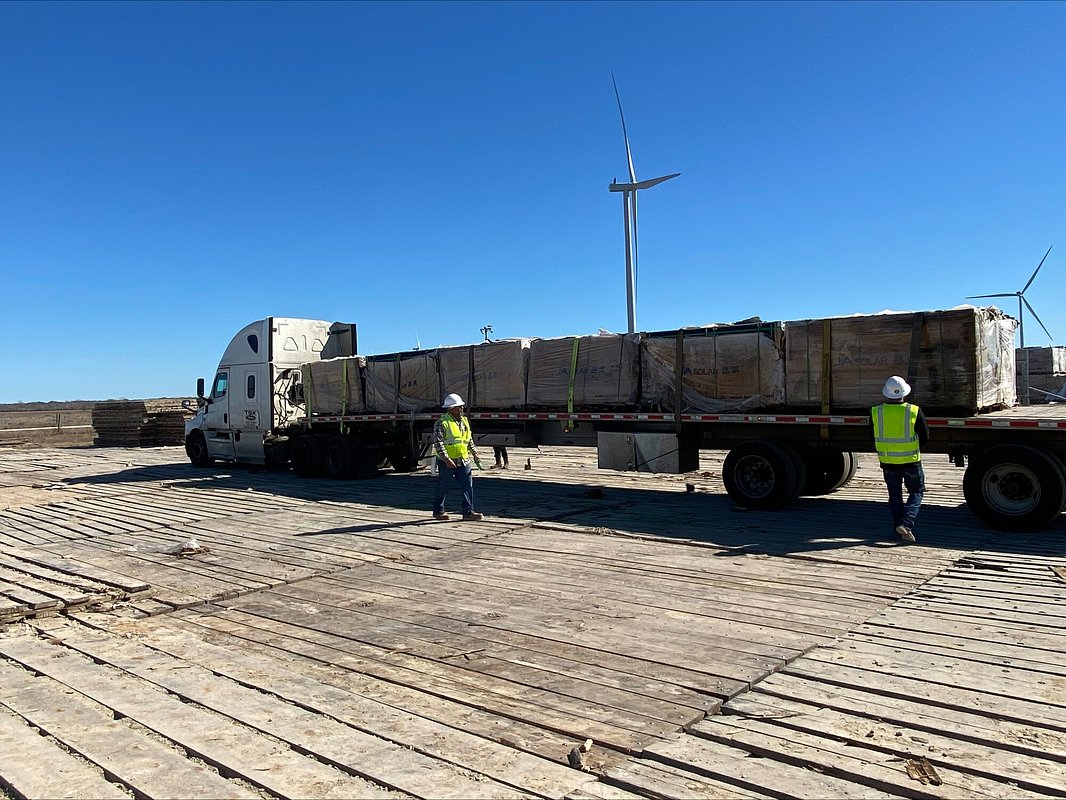
DAPHNE, Ala. – February 24, 2026 – In a sprawling, 200,000-square-foot facility in Sparta, Tennessee, a quiet revolution is underway. Approximately 95,000 solar panels, once considered stranded assets from a canceled project, are being meticulously processed for a second chance at generating clean energy. This 50-megawatt lot represents a new milestone for TERREPOWER, a global leader in sustainable manufacturing, and a potential blueprint for solving one of the renewable energy sector's most pressing challenges.
The company, formerly known as BBB Industries, announced it is using a proprietary sustainable manufacturing process to restore the modules, preparing them for re-entry into the market. This project is not just a business success; it is a direct confrontation with the looming issue of solar panel waste and a tangible step toward a circular economy for green technology.
"This is our largest opportunity to date and a tremendous success story," said Alexandra Harrison, president of TERREPOWER's Industrial Strategic Business Unit. "It highlights how we responsibly restore solar modules through sustainable manufacturing, and the value we deliver to developers, operators and end users."
The Coming Tidal Wave of Solar Waste
TERREPOWER's expansion comes at a critical moment. The solar industry, a cornerstone of the global energy transition, is facing a long-predicted but rapidly accelerating waste problem. Solar panels have an operational lifespan of 25-35 years, and the first major waves of installations are now approaching retirement. Compounding this are "early losses"—panels decommissioned prematurely due to extreme weather damage, warranty issues, or repowering projects where older, less efficient panels are replaced.
Independent research validates the urgency. The U.S. is already retiring 4 to 5 million panels annually, a figure expected to more than double to 10 million per year by 2030. Globally, the International Renewable Energy Agency (IRENA) has projected that cumulative panel waste could reach a staggering 78 million metric tons by 2050. Without robust lifecycle solutions, many of these panels, which can contain materials like lead and cadmium, are at risk of ending up in landfills.
This environmental challenge has created a clear market need. While material recycling exists, industry best practices prioritize reuse and refurbishment as higher-value options that preserve the functional integrity of the panels and the energy invested in their original creation. TERREPOWER's model is squarely focused on this top-tier solution: turning potential waste back into a productive asset.
Beyond Recycling: The Remanufacturing Revolution
The Sparta facility is now the largest of its kind in North America, a testament to the scale of the company's ambition. What happens inside goes far beyond simple cleaning or reselling. TERREPOWER's process is described as a form of sustainable manufacturing, leveraging the company's deep expertise in remanufacturing from its legacy in the automotive and industrial sectors.
Each of the 95,000 panels undergoes a rigorous multi-step procedure designed to ensure quality and build trust in a nascent market for second-life modules. The process includes comprehensive evaluation, industrial-grade cleaning, advanced testing to verify performance, meticulous inspection for defects, and secure, professional repackaging for transit. This validation is the core of the company's value proposition.
"No one else offers this level of evaluation, cleaning, testing, inspection, secure repackaging and validation," Harrison stated. "The market told us clearly: we want panels that have been verified by experts. And that's exactly our specialty."
This approach distinguishes the company from both traditional recyclers, who break panels down for raw materials, and smaller secondary-market brokers, who may lack the resources for industrial-scale verification and quality assurance. By treating used panels not as scrap but as components for remanufacturing, TERREPOWER is creating a new category of reliable, warrantable energy assets.
Driving Economic and Environmental Impact
The benefits of this model are twofold, creating both economic opportunity and significant environmental gains. For solar developers, the ability to sell stranded assets from canceled or delayed projects provides a crucial financial off-ramp, turning a potential multi-million dollar loss into recovered revenue. For buyers, these remanufactured panels offer a reliable, lower-cost alternative to new modules, potentially opening up solar energy to more budget-conscious projects.
The impact is also deeply local. As TERREPOWER scales its operations in Sparta, it is adding jobs, investing in the community, and providing specialized training in a high-tech green industry. At full capacity, the facility is projected to divert more than 16 million pounds of material from landfills each year.
"This project directly contributes to the local economy," said Peter Hutchings, a business development manager at TERREPOWER. "We're turning panels that would otherwise become waste into reliable, market–ready modules."
The facility's current capacity allows for the processing of 300,000 modules annually, with the ability to scale to over one million. The initial 50 MW project alone, based on typical solar performance factors, could generate enough electricity to power between 6,000 and 8,000 average American homes annually. As the solar industry continues its exponential growth, the challenge of managing aging assets will only become more acute, making scalable and verifiable solutions like the one being pioneered in Tennessee more critical than ever.