
- 1.5 million emergency trips made using the Glance system in 2025, securing 5.4 million green lights.
- 11 seconds saved per green light, totaling 16,500 hours of reduced travel time for first responders.
- 30-second reduction in response times in Hillsborough County, Florida, with a 10% overall reduction in emergency response times.
Experts agree that modernizing emergency vehicle preemption systems with GPS, cellular, and cloud-based technology significantly enhances public safety, reduces response times, and offers long-term economic benefits for communities.
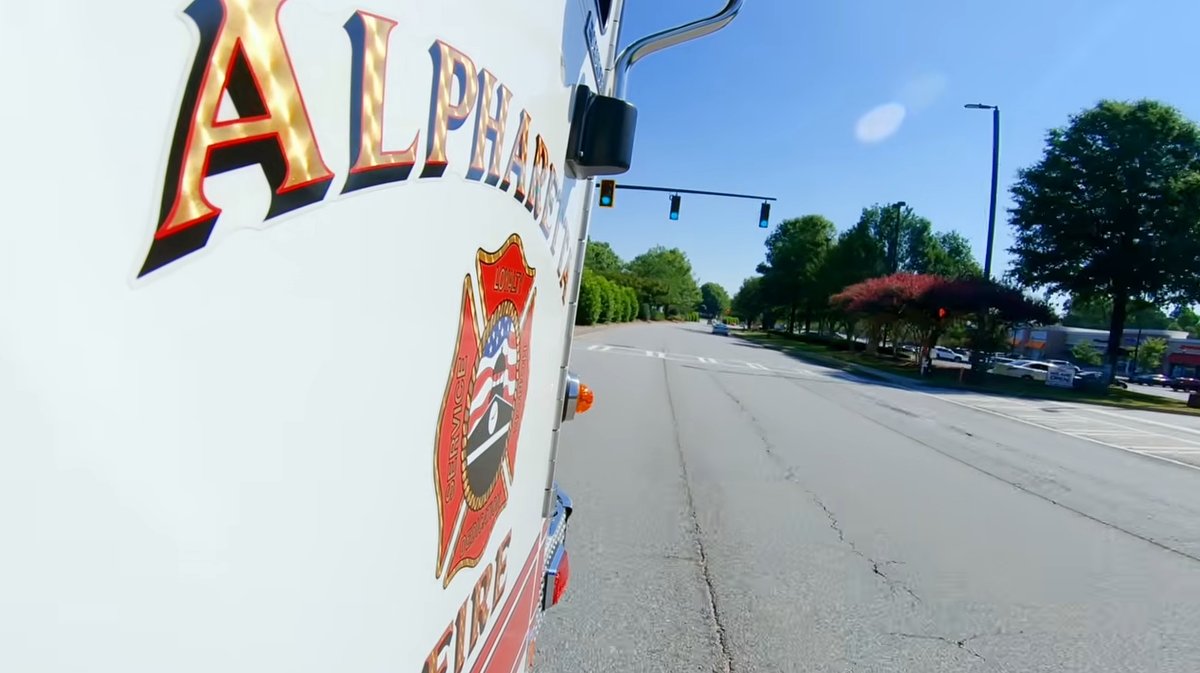
Smart Tech Gives First Responders a Crucial Green Light
ALPHARETTA, Ga. – February 10, 2026 – For decades, the sight of a flashing infrared emitter on an approaching fire truck has been the primary way emergency vehicles requested a green light. But this technology, first developed in the 1970s, is now being replaced by a silent revolution in public safety infrastructure, powered by GPS, cellular networks, and cloud computing.
Leading this charge, Applied Information, Inc., a prominent provider of Intelligent Transportation System (ITS) technology, has launched a new buy-back program designed to accelerate this transition. The initiative offers a financial pathway for local governments and fire departments across North America to trade in their aging, line-of-sight optical preemption equipment for credit toward the company's modern Glance® Emergency Vehicle Preemption (EVP) system. The program aims to dismantle the financial barriers that have kept many communities reliant on outdated, less reliable technology.
The End of an Era for Legacy Tech
Many communities are still using emergency preemption systems that have changed little in over 50 years. These traditional optical systems require a direct, unobstructed line of sight between an emitter on the emergency vehicle and a detector on the traffic signal. Their effectiveness can be hampered by bad weather, sharp curves, hilly terrain, or even other large vehicles, creating uncertainty in high-stakes situations.
"Many communities are still relying on optical preemption systems originally developed in the 1970s," said Bryan Mulligan, President of Applied Information, in a recent announcement. "Our new program provides a cost-effective way to bring this critical technology into the modern era and support first responders with faster, safer emergency responses and unpresented access to data to support operational efficiency and department accreditation."
The push to modernize is part of a fundamental shift in the broader ITS market, which is rapidly moving away from isolated hardware toward interconnected, cloud-based solutions. As traffic congestion worsens and the need for efficient emergency services grows, the limitations of legacy systems have become a critical public safety concern.
A New Generation of Emergency Response
Unlike their predecessors, modern EVP systems like Glance operate in a connected digital ecosystem. Instead of relying on line-of-sight light beams, the system uses a redundant combination of GPS, cellular, and 900 MHz radio communications to track emergency vehicles in real-time. This dual-communication approach ensures a far more reliable and longer-range connection, automatically requesting green lights well in advance of the vehicle’s arrival at an intersection.
The impact is measurable and significant. In 2025 alone, emergency vehicles using the Glance system made over 1.5 million emergency trips, securing more than 5.4 million green lights. With an average time savings of 11 seconds per green light, this translated to a cumulative 16,500 hours of reduced travel time for first responders on their way to calls.
Real-world deployments illustrate the life-saving potential. In Hillsborough County, Florida, one of the largest counties to adopt the technology, officials report that the Glance system is reducing emergency response times by up to 30 seconds per call. With over 600,000 preemptions in the past year, the county has seen a 10% overall reduction in response times. Firefighters on the ground have noted the system's ease of use and the reduced stress of navigating congested intersections, allowing them to focus on the emergency ahead.
This new generation of technology extends its reach beyond the traffic signal itself. The system notifies civilian motorists of an approaching emergency vehicle through popular smartphone apps like Waze and the company's own TravelSafely™ app, creating a safer environment for both first responders and the public.
The Economic Case for Upgrading
The move to smarter infrastructure is not just about speed and safety; it also carries significant economic benefits for communities. The upfront cost of upgrading traffic infrastructure can be a major hurdle for municipal budgets. Applied Information's buy-back program directly addresses this by allowing agencies to recover value from their outdated hardware.
Beyond the initial credit, the long-term return on investment can be substantial. One of the most compelling financial incentives is the potential to improve a community’s Public Protection Classification (PPC) rating from the Insurance Services Office (ISO). This rating, which scores fire protection services on a scale from 1 to 10, is a key factor used by insurance companies to set premiums for homes and businesses.
An improved ISO rating signifies a lower risk of fire-related property damage. The rating heavily considers a fire department's equipment, staffing, and water supply, but also evaluates its emergency communication and dispatch systems. By implementing modern EVP systems that demonstrably shorten response times, a community can improve its score. For a local business, an improvement from a mid-tier rating to a higher one could translate into annual insurance savings of hundreds or even thousands of dollars. For homeowners, the collective savings can be significant, making the community more attractive and economically resilient.
Navigating the Road to a Connected Future
The adoption of systems like Glance is part of a larger trend toward creating truly 'smart' cities. These platforms provide a wealth of data that was previously unavailable. Through cloud-based dashboards and Geographic Information Systems (GIS) analytics, fire chiefs can analyze response routes, identify bottlenecks, and measure performance with unprecedented accuracy. This data-driven approach is invaluable for operational planning, resource allocation, and achieving departmental accreditation.
Of course, the shift to cloud-based, IoT infrastructure brings new considerations, particularly around data security. As transportation systems become more interconnected, they also become potential targets for cyber threats. Recognizing this, industry and government bodies like the National Institute of Standards and Technology (NIST) have developed cybersecurity frameworks specifically for ITS to help agencies manage risks and protect sensitive data related to vehicle movements and emergency operations.
To facilitate a smoother upgrade path, the Glance system is designed for hybrid operation, allowing it to integrate with existing optical hardware during a phased transition. This ensures that mutual aid agreements with neighboring departments that may still use older technology are not disrupted. This forward-thinking approach acknowledges the complex reality of municipal infrastructure, providing a bridge from the past to a safer, more connected, and more efficient future for emergency response.