
- 60+ families in Los Angeles will receive smart security systems in their new affordable homes.
- $21,000+ worth of Cloud-based IP Video Intercom Kits donated by DNAKE.
- 5 communities (Orange Avenue, Cedar, Canyon, Erin Grove, Lakeland & Laurel) benefiting from the initiative.
Experts would likely conclude that integrating smart security technology into affordable housing enhances safety and stability for low-income families, while also serving as a strategic market entry tool for companies like DNAKE.
Smart Security Meets Affordable Housing in Los Angeles
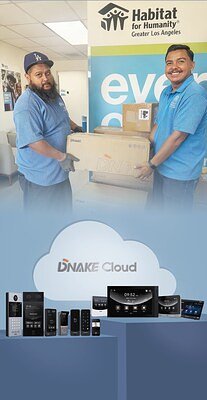
LOS ANGELES, CA – March 18, 2026 – For families achieving the dream of homeownership, security and peace of mind are paramount. In Los Angeles, more than 60 families moving into newly constructed affordable homes will receive a significant technological boost to their home security, thanks to a partnership between smart home technology provider DNAKE and Habitat for Humanity of Greater Los Angeles (Habitat LA).
DNAKE, a manufacturer specializing in smart IP intercoms and home automation, has donated Cloud-based IP Video Intercom Kits valued at over $21,000. These systems are being installed in new Habitat LA homes across five developing communities: Orange Avenue, Cedar, Canyon, Erin Grove, and Lakeland & Laurel. The donation provides a modern security solution for families who have partnered with the non-profit to build and purchase their own homes.
A New Layer of Safety and Connection
The donated IPK04 Intercom Kits provide more than just a doorbell. They are complete front-door monitoring systems that operate on a cloud-based platform. This allows new homeowners to use a mobile app to see, hear, and speak with visitors at their front door from anywhere, whether they are in another room or away from home. The technology also enables remote configuration and firmware updates, ensuring the systems remain current and secure over time.
For families transitioning into a new neighborhood and the responsibilities of homeownership, this technology offers a tangible sense of control and safety. It addresses a fundamental need for security, which is a cornerstone of the stability that Habitat for Humanity strives to provide.
“We are grateful to DNAKE for providing advanced front door monitoring systems to more than 60 families moving into new Habitat LA homes across several communities,” said Helen Dosta, Vice President of Resource Development for Habitat for Humanity of Greater Los Angeles, in a statement. “Their generous contribution helps create a greater sense of safety and peace of mind for our new homeowners.”
This is particularly meaningful in the context of Habitat LA's mission. The organization, founded in 1990, works to build and repair homes in partnership with low-income families in one of the nation's least affordable housing markets. By providing a 'hand up, not a handout,' they empower families to build equity and create stable foundations for their futures.
Corporate Responsibility as a Market Strategy
While the immediate impact is on the families receiving the homes, the donation also marks a strategic milestone for DNAKE. The company, founded in 2005 with a global presence serving over 12 million families, is actively expanding its footprint into the competitive North American market. This philanthropic initiative is explicitly part of that expansion strategy.
By aligning with a respected and deeply-rooted organization like Habitat LA, DNAKE is not just donating products; it is embedding itself within the community. The company has stated that its North American growth plan involves establishing a local office, creating job opportunities, and supporting underserved groups. This partnership serves as a powerful demonstration of that commitment, building brand reputation and goodwill from the ground up.
This approach, where corporate social responsibility (CSR) is integrated into market entry, is becoming a key playbook for global companies. Instead of being an afterthought, community investment is used as a primary tool to build trust, demonstrate product value in a real-world context, and differentiate the brand from competitors. By collaborating with regional distributors on educational initiatives and other local support, DNAKE aims to establish itself as a community partner rather than just a product vendor.
The Broader Trend of Smart Affordable Housing
DNAKE's contribution is part of a larger, evolving trend of integrating smart home technology into affordable housing developments. Across the country, housing non-profits are increasingly looking to technology to enhance the quality of life, safety, and financial stability of their residents.
Beyond video intercoms, projects have begun to incorporate features like smart thermostats to reduce energy consumption and lower utility bills—a significant benefit for low-income families. Smart lighting, leak detectors, and even smart locks that allow for remote access for maintenance personnel are also being deployed. These technologies collectively aim to make homes not only safer but also more efficient, accessible, and less expensive to maintain over the long term.
This movement recognizes that the benefits of smart technology should not be exclusive to luxury properties. When thoughtfully implemented, these tools can provide practical solutions to everyday challenges, empowering residents and helping to bridge the technological gap.
Navigating the Challenges of the Connected Community
Despite the clear benefits, the push to create smart affordable housing is not without challenges. The integration of sophisticated technology into these communities requires careful consideration of potential hurdles to ensure the initiatives are equitable and sustainable.
The most significant concern is the digital divide. For smart devices to function, residents need reliable, high-speed internet access and a degree of digital literacy—resources that are not always guaranteed in low-income households. Without proper training and ongoing support, the technology intended to empower residents could become a source of frustration or exclusion.
Data privacy is another critical consideration. Smart intercoms and other connected devices collect vast amounts of data. Housing providers and their corporate partners must be transparent about what data is collected, how it is used, and what measures are in place to protect residents' privacy from misuse or cyberattacks.
Finally, the question of long-term maintenance is crucial. When a donated system malfunctions, who is responsible for the repair? Ensuring that a robust and accessible technical support system is in place is vital for the long-term success of these programs. As this partnership between DNAKE and Habitat LA unfolds, its success will be measured not only by the initial installation but by its lasting impact on the daily lives and security of the new homeowners for years to come.