
- 20% of energy loss: Leaky ducts can account for up to 20% of a home's heating and cooling energy loss.
- $100 annual savings: ENERGY STAR-certified smart thermostats can save homeowners approximately $100 annually.
- 30% bill reduction: Combining HVAC upgrades with home insulation and air sealing can reduce energy bills by up to 30%.
Experts agree that strategic HVAC upgrades, such as replacing outdated systems, installing smart thermostats, and sealing ductwork, can significantly reduce energy waste and lower winter heating bills.
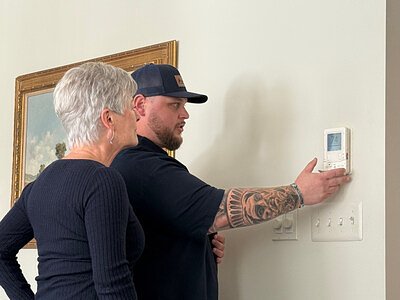
Slash Your Winter Bills: A Guide to Smart HVAC Upgrades
STERLING, Va. – January 20, 2026 – As a harsh winter continues across Northern Virginia, homeowners are feeling the chill not just in the air, but also in their wallets. With heating systems running constantly to combat the cold, many are confronting sharply higher utility bills. This financial pressure is compounded by broader economic trends, with projections from late last year anticipating significant rises in home energy costs due to a combination of weather patterns and increasing fuel prices. For instance, the grid operator for Virginia and 12 other states, PJM Interconnection, saw wholesale electricity prices for 2025/2026 surge, signaling higher retail rates for consumers.
In response to this growing concern, local home service experts are advising residents that strategic investments in their home's heating, ventilation, and air conditioning (HVAC) systems can provide substantial relief. Cardinal Plumbing Heating & Air, a trusted provider in the region, is highlighting how targeted upgrades can curb energy waste and lead to predictable, lower costs during peak seasons.
The Hidden Costs of an Aging System
For many, the furnace in the basement is an out-of-sight, out-of-mind appliance until it stops working. However, an older or poorly maintained HVAC system can be a major source of financial drain long before it fails completely. These systems suffer from declining efficiency, forcing them to run longer and harder to maintain a comfortable indoor temperature.
"Having an older or out-of-date system compounds seasonal energy costs," said Daniel Fuentes, co-founder of Cardinal Plumbing Heating & Air, in a recent advisory. "That's because antiquated systems must work harder to maintain comfortable inside temperatures, leading to wasted energy and spiking costs."
This inefficiency stems from several factors. According to the U.S. Department of Energy, dirt and neglect are leading causes of heating system failure and inefficiency. A simple component like a clogged air filter can drastically reduce airflow, forcing the system's fan motor and other parts to work overtime, consuming more energy and increasing wear and tear. Over time, this not only inflates monthly bills but also elevates the risk of a sudden, costly breakdown in the middle of a cold snap.
Furthermore, ducts that transport heated air throughout the home are another common culprit. The Department of Energy estimates that leaky ducts, particularly those in unconditioned spaces like attics or crawlspaces, can account for up to 20% of a home's heating and cooling energy loss. This means a significant portion of the energy a homeowner pays for never even reaches its intended living space.
Strategic Upgrades for Peak Performance
To combat these inefficiencies, experts recommend a few key upgrades that can deliver a strong return on investment through energy savings. These improvements focus on boosting efficiency at every stage of the heating process.
One of the most impactful changes is replacing an outdated furnace with a modern, high-efficiency model. Products that have earned the ENERGY STAR® label, a government-backed symbol for energy efficiency, are designed to consume less fuel while providing consistent heat. These units often feature advanced technologies like variable-speed blowers and secondary heat exchangers that capture more heat from the combustion process, ensuring less energy is wasted up the flue.
Another highly effective and affordable upgrade is the installation of a smart thermostat. These devices learn a household's patterns and can automatically adjust the temperature when the home is unoccupied or during sleeping hours. ENERGY STAR estimates that a certified smart thermostat can save homeowners with high heating bills approximately $100 annually by minimizing unnecessary energy use. The Department of Energy suggests a winter setting of 68°F when at home and awake, and lowering it when away or asleep for optimal savings.
Finally, addressing the ductwork is critical. A professional inspection can identify leaks that can be sealed with mastic sealant or metal-backed tape. Insulating ducts in unconditioned areas is equally important, as it prevents the heated air inside from losing its warmth to the cold surrounding air in an attic or basement. This simple step ensures the HVAC system doesn't have to work as hard to compensate for heat loss during delivery.
Beyond the Furnace: A Whole-House Approach
While a modern HVAC system is the heart of an energy-efficient home, experts emphasize a “whole-house approach” for maximum impact. An efficient furnace operating in a leaky, poorly insulated house is like a high-performance engine in a car with flat tires—its full potential can't be realized. The Department of Energy suggests that combining equipment upgrades with improvements to the home's building envelope can reduce energy bills by as much as 30%.
Key areas to focus on include:
Air Sealing: Sealing cracks and gaps around windows, doors, electrical outlets, and where pipes enter the home can significantly reduce drafts and heat loss. These small leaks can collectively add up to the equivalent of leaving a window open all winter, accounting for up to 10% of a monthly energy bill.
Insulation: Ensuring adequate insulation levels in the attic, walls, and crawlspaces is one of the most cost-effective ways to save energy. Insulation acts as a thermal barrier, slowing the movement of heat out of the home in winter and into the home in summer.
Window Management: Simple behavioral changes can also help. Opening curtains on south-facing windows during sunny winter days allows natural solar heat to warm the home, while closing them at night provides an extra layer of insulation.
A home energy audit, performed by a certified professional, can provide a customized roadmap, identifying the most critical areas for improvement in a specific home.
Planning and Paying for Your Upgrade
Investing in a new HVAC system is a significant financial decision, but a necessary one for long-term savings and comfort. While major federal tax credits under the Inflation Reduction Act, which provided substantial rebates for installations in previous years, largely expired for systems placed in service after December 31, 2025, homeowners should still investigate available incentives.
State and local programs may offer financial assistance. For example, Virginia Energy has been developing rebate programs for home efficiency projects and high-efficiency appliance purchases, though many are targeted toward low-to-moderate-income households and availability should be confirmed directly. Local utility providers also periodically offer their own rebates for specific upgrades.
As Fuentes noted, planning ahead is key. "The start of a new year can be an ideal time to invest in a system upgrade," he stated. "An optimized and up-to-date system can ensure comfort and predictable utility costs now and throughout the year to come."
By researching options, seeking advice from reputable local professionals, and viewing the expense as an investment in their property's value and efficiency, homeowners can take control of their energy consumption and protect themselves against the rising tide of utility costs.