
- Auction estimates: $30,000–$60,000 for Owl Cigar sign, $20,000–$40,000 for Mr. Peanut figure
- Global collectibles market projected for significant growth by the end of the decade
- Millennials and Gen Z now account for a significant portion of antique sales
Experts view the booming market for American pop culture memorabilia as a strategic investment class, driven by nostalgia, younger collectors, and the unique value of these artifacts as non-correlated assets.
Six-Figure Nostalgia: The Booming Market for American Pop Culture
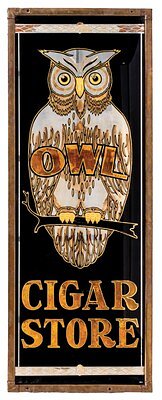
LAS VEGAS, NV – November 24, 2025 – In a city built on spectacle, a different kind of show is preparing to take center stage. From December 4-6, Morphy's Las Vegas auction house will not be gambling with cards or dice, but with the tangible memories of American commercial history. The main attraction is the sprawling collection of Ray Claridge, a man who spent his career building pop culture icons for Hollywood and his private life collecting them. The lots read like a museum catalog of a bygone America: a monumental nine-foot-tall Mr. Peanut, a luminous reverse-painted glass sign for Owl Cigars, and a legion of coin-operated machines that once whirred and chimed in arcades and diners across the country. With some estimates soaring into the tens of thousands, the event is more than an auction; it’s a high-stakes barometer for the booming business of nostalgia.
The Man Who Built Herbie's Garage
To understand the significance of this collection, one must first understand its curator. Ray Claridge is not merely a collector; he is a lifelong architect of American iconography. As the founder of Cinema Vehicle Services, Claridge was the mastermind behind some of the most famous cars in film and television history. His North Hollywood workshop brought to life the iconic “General Lee” Dodge Charger from Dukes of Hazzard and the lovable “Herbie” from The Love Bug. His company’s creations have graced the screen in blockbusters from Fast and the Furious to The Hunger Games, making him a pivotal, if often behind-the-scenes, force in shaping modern pop culture.
This professional immersion in creating cultural artifacts fueled a personal passion for preserving them. Claridge later opened Back in the Day Classics in Orange, California, establishing one of the West Coast's premier showrooms for vintage advertising and memorabilia. His collection, which forms the core of the upcoming Morphy's sale, is a direct reflection of this dual life. It’s a curated landscape of the very commercial art and branding that defined the 20th century—the same cultural DNA he mined for his work in Hollywood. The provenance is undeniable: the man who built the fantasy is now offering up the reality that inspired it. This deep connection elevates the items beyond simple collectibles, imbuing them with a narrative of authenticity and a connoisseur's discerning eye.
More Than Memories: Nostalgia as an Asset Class
The staggering estimates attached to the auction's highlights—$30,000 to $60,000 for the Owl Cigar sign, $20,000 to $40,000 for the Mr. Peanut figure—signal a profound market shift. Antique advertising and pop culture memorabilia have transcended the realm of hobbyists and entered the serious world of alternative investments. The Morphy's catalog describes the Owl sign, a breathtaking piece of reverse-painted glass from the late 19th century, as an “important investment-grade piece.” This language is telling. It speaks to a market where buyers are motivated not just by sentiment, but by strategy.
Recent market analysis supports this trend. The global collectibles market is experiencing robust growth, projected to expand significantly by the end of the decade. This surge is driven by several factors. For one, a wave of nostalgia, amplified in recent years, has created intense demand for tangible links to the past. Secondly, a new generation of collectors, including Millennials and Gen Z, is entering the market. Attracted to the uniqueness, sustainability, and potential appreciation of vintage items, these younger buyers now account for a significant portion of antique sales. They view these artifacts not as dusty relics, but as unique statements of personal style and savvy financial diversification.
These are not just decorative items; they are non-correlated assets, offering a potential hedge against the volatility of traditional stocks and bonds. The rise of online auction platforms has further democratized access, creating a global marketplace where a rare tobacciana sign or a beautifully restored gas pump can command prices once reserved for fine art. The Claridge collection, alongside over 200 high-quality lots from fellow longtime collectors Mike and Darlene Peel, represents a perfect storm of rarity, condition, and cultural resonance that today’s market craves.
Ghosts of the American Roadside
Beyond their monetary value, the objects themselves are powerful storytellers. The nearly nine-foot-tall Mr. Peanut mascot is not just a fiberglass figure; it’s a ghost of the Atlantic City Boardwalk, where it is believed to have once stood. Produced in limited numbers by the Old King Cole Mfg. Co. for distributors and retailers only, it was a commercial ambassador from an era of grand, theatrical marketing. Its monumental scale was designed to stop passersby in their tracks, a silent, smiling giant promising salty perfection.
Similarly, the cast aluminum and glass “SODA” sign, with its glowing, foaming fountain glass, instantly transports one to a time of chrome-lined counters, checkered floors, and teenage daydreams. An illuminating sign from Beacon Mfg. and Sales Co. of NYC, its excellent condition makes it a rare survivor of a once-ubiquitous feature of American main streets. The auction also features a beautifully restored 10-gallon Roman column visible gas pump, estimated at $20,000-$40,000. It stands as a silent monument to the dawn of American car culture, a time when service stations were ornate temples of travel and the act of refueling was a visible spectacle.
Each item—from the Mills Novelty Co. 5¢ Dewey Jackpot slot machine to the lithographed ad for Gilt Edge Whiskey proclaiming itself “The Treat That Can’t Be Beat”—is a chapter in the visual history of American commerce. They represent a time when branding was an art form, executed with rich materials, bold graphics, and a confidence that has become a collectible commodity in its own right. This auction offers more than just ownership; it provides a chance to become the custodian of these stories, ensuring that the vibrant ghosts of the American roadside continue to have a voice in the 21st century.