
- 24.4% of children under five in Asia-Pacific are stunted due to chronic malnutrition. * 8.9% of children in the region suffer from acute malnutrition (wasting), above the global average. * Over 35 million children under five in Asia-Pacific are overweight, nearly half of the global burden.
Experts emphasize that the Asia-Pacific region faces a dual malnutrition crisis—undernutrition and obesity—requiring urgent, tech-driven solutions to address deep-rooted systemic challenges.
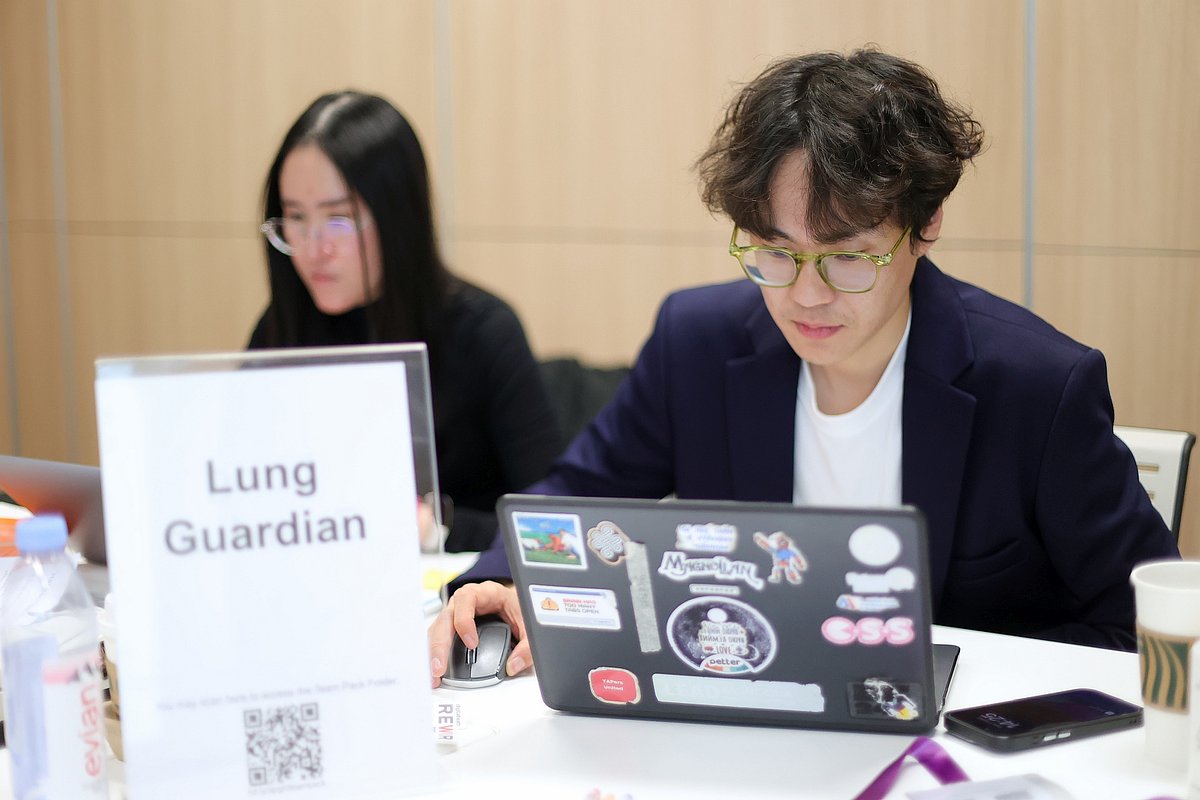
Singapore Hackathon Seeks Tech Fix for Asia's Child Nutrition Crisis
SINGAPORE – May 14, 2026 – As the Asia-Pacific region grapples with a severe and complex maternal and child nutrition crisis, a Singapore-based initiative is calling on innovators to code, collaborate, and create solutions. Applications are now open for the second annual Asia-Pacific Global Health Innovation Hackathon, a 48-hour intensive event aiming to generate transformative technologies to combat one of the most pressing public health challenges of our time.
Jointly hosted by the SingHealth Duke-NUS Academic Medical Centre's Global Health Institute (SDGHI) and Academic Medicine Innovation Institute (AMII), the hackathon, scheduled for September 18-19, will gather the brightest minds from healthcare, technology, and research to tackle malnutrition from pregnancy through early childhood.
The Double-Edged Crisis of Malnutrition
The hackathon's focus is acutely targeted at a crisis of staggering scale and complexity. The Asia-Pacific region is the global epicenter of what experts call the "double burden of malnutrition," where the scourges of undernutrition and obesity exist side-by-side, sometimes within the same communities or even families.
According to the latest global health data, the region accounts for nearly 40% of the world's hungry population. The statistics paint a grim picture:
* Stunting: Nearly a quarter (24.4%) of all children under five are stunted, their physical and cognitive development permanently impaired by chronic malnutrition.
* Wasting: Acute malnutrition, or wasting, affects 8.9% of children, a rate significantly above the global average.
* Anemia: Nearly one in three women of reproductive age (15-49) suffers from anemia, jeopardizing their health and the well-being of their future children.
Yet, this is only half the story. Simultaneously, the region is witnessing a surge in childhood obesity. Over 35 million children under five in Asia-Pacific are overweight, representing almost half of the global burden. This paradox is driven by deep-seated issues, including poverty, inequitable food systems that fail to provide affordable and nutritious options, and the accelerating impacts of climate change on food security. The result is a silent public health emergency that threatens to derail decades of development progress.
Hacking for Health: A 'Clinic and Code' Approach
In the face of this daunting challenge, the SingHealth Duke-NUS Academic Medical Centre is championing a novel approach that bridges the gap between clinical frontlines and technological innovation. The hackathon is designed to move beyond theoretical discussions and produce tangible, data-driven solutions.
"SingHealth has long been committed to advancing maternal and child health, not just within Singapore, but across the region," said Professor Ng Wai Hoe, Group CEO of SingHealth. "This hackathon reflects that commitment, giving teams direct access to our comprehensive clinical ecosystem and expertise so that the solutions they develop are grounded in the real needs of patients."
From September 18-19, 12 to 15 selected teams will work against the clock, focusing on two critical tracks: maternal nutrition during pregnancy and feeding practices for newborns and young children up to two years old. Throughout the event, participants will receive hands-on mentorship from leading clinicians, researchers, and faculty from the SingHealth Duke-NUS network and its regional partners.
This "clinic and code" model is the event's defining feature, ensuring that innovators are not just solving abstract problems but are co-creating solutions with the very healthcare professionals who witness the devastating effects of malnutrition daily.
"What excites me most about this Hackathon is the diversity of minds it will bring together," noted Ms Vijaya Rao, Director of SingHealth's International Collaboration Office. "When people from different countries, cultures, and disciplines sit down to tackle a shared challenge, something remarkable happens. It is that spirit of collective ingenuity... that I believe will drive truly meaningful change."
From Idea to Impact: Building on a Legacy of Innovation
The organizers are determined that the innovation does not end when the 48 hours are up. A key component of the initiative is a robust post-hackathon incubation program, designed to shepherd promising ideas from concept to real-world implementation. The three winning teams will receive prizes valued at up to SGD 25,000 each, which includes seed funding and support to test and develop their solution in their home countries.
This model has already proven its worth. The inaugural hackathon in 2025, which focused on the intersection of climate change and health, produced several high-potential projects. Winning teams included Team Lung Guardian, which developed a child-friendly biosensor to monitor air quality and predict respiratory distress, and Team MyHeart Air, which created a tool to forecast cardiac risk based on localized pollution levels. These teams entered a six-month incubation program, receiving mentorship and resources to refine their prototypes.
The six-month Asia-Pacific Global Health Hackathon Incubation Programme for this year's winners will be hosted by SDGHI and SingHealth's International Collaboration Office. It provides targeted mentorship in maternal and child health, implementation science, and health innovation, culminating in an in-person session in Singapore for final refinement and stakeholder engagement.
"By engaging healthcare professionals from across the region, we empower teams to think beyond ideation to implementation, and build scalable solutions for one of healthcare's most pressing challenges," added Assoc Prof Goh Su-Yen, Co-Chair of the Academic Medicine Innovation Institute.
Singapore as a Regional Hub for Health Innovation
This hackathon is emblematic of Singapore's growing role as a nerve center for health and medical technology innovation in Asia. The city-state has cultivated a vibrant ecosystem supported by significant government investment, such as the Research, Innovation and Enterprise (RIE) 2025 plan, and a network of accelerators and venture capital.
The involvement of prestigious partners in past events, including the World Health Organization (WHO) and the International Finance Corporation (IFC), highlights the global significance of these efforts. By convening experts, innovators, and clinical leaders, the SingHealth Duke-NUS Academic Medical Centre is not only addressing a critical regional need but also reinforcing a collaborative model for tackling global health crises.
As the deadline for applications on June 15, 2026, approaches, the call is out for interdisciplinary teams of innovators, researchers, and healthcare professionals across the Asia-Pacific. The challenge is immense, but the belief is that through focused collaboration and technological ingenuity, a healthier, more equitable future for mothers and children in the region is not just possible, but achievable.