
- $21 billion: Projected market size for Alzheimer's diagnostics by 2033
- 2 novel assays: Siemens Healthineers' Atellica IM pTau217 and BDTau for research use
- Tens of millions affected: Global prevalence of Alzheimer's disease
Experts view blood-based biomarkers like pTau217 as a revolutionary step toward accessible, early Alzheimer's diagnosis, though clinical validation remains essential for widespread adoption.
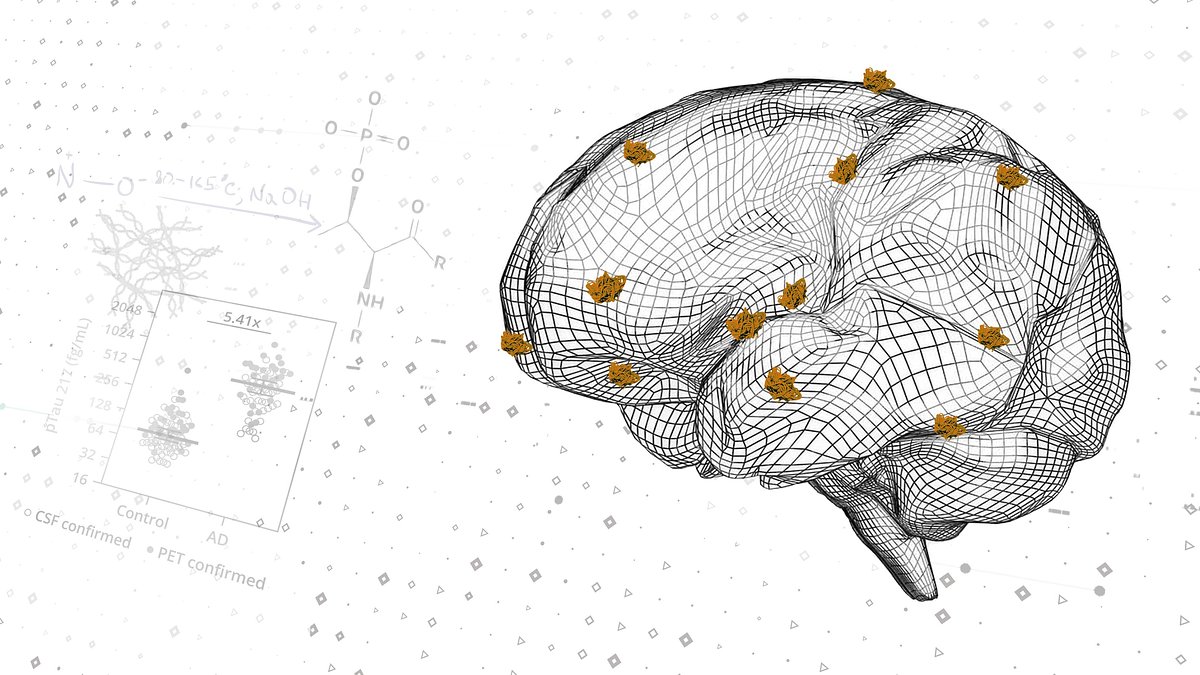
Siemens Healthineers Joins Race for Alzheimer's Blood Test
TARRYTOWN, NY – March 18, 2026 – Siemens Healthineers today announced its entry into the rapidly advancing field of blood-based Alzheimer's testing with the launch of a new brain health research portfolio. The company has released two novel assays, the Atellica IM Phosphorylated tau 217 (pTau217) and Atellica IM Brain Derived Tau (BDTau), for research use, signaling a significant strategic move to capture a share of the burgeoning neuro-diagnostics market.
These automated tests, designed to run on the company's widely installed Atellica Solution analyzers, aim to provide scientists with powerful, non-invasive tools to study neurological diseases. The announcement comes as the global healthcare community intensifies its search for simpler, more accessible methods to diagnose Alzheimer's disease, a condition that affects tens of millions worldwide and is the most common cause of dementia.
The Shifting Landscape of Alzheimer's Diagnosis
For decades, the definitive diagnosis of Alzheimer's disease while a person is alive has been a significant challenge, relying on a combination of cognitive tests and expensive, often invasive procedures. Patients with suspected cognitive decline have traditionally faced either a lumbar puncture to analyze cerebrospinal fluid (CSF) or costly positron emission tomography (PET) scans to detect the hallmark pathologies of the disease: amyloid plaques and tau tangles in the brain.
This diagnostic barrier has limited early detection, created patient anxiety, and restricted access for those in rural or underserved communities. The development of reliable blood-based biomarkers is widely seen as a revolutionary step toward overcoming these hurdles. A simple blood draw, easily performed in a primary care setting, could transform the diagnostic pathway by providing an initial screening to identify individuals who may need further, more conclusive testing. This approach promises not only to improve the patient experience but also to streamline healthcare resources and potentially lower the staggering economic costs associated with the disease.
By making early and accurate screening more accessible, blood tests could help address the vast number of undiagnosed cases and enable patients to access newly emerging disease-modifying therapies at a much earlier stage, when they are believed to be most effective.
A New Frontier in Biomarker Research
The scientific community has recently coalesced around a handful of powerful blood biomarkers, with pTau217 emerging as one of a handful of the most promising. Elevated levels of this specific phosphorylated form of the tau protein in the blood have been shown in numerous studies to be highly accurate in identifying the presence of both amyloid and tau pathology in the brain, making it a highly specific marker for Alzheimer's disease.
Siemens Healthineers' new Atellica IM pTau217 assay aims to provide researchers with a quantitative measurement of this critical biomarker. By leveraging the high-sensitivity chemiluminescent technology of its Atellica platform, the company hopes to empower scientists to better understand disease progression and evaluate the effectiveness of potential new treatments.
“Analyzer engineering is very important for amplifying the signal we need to achieve reliable results using blood tests,” said Henrik Zetterberg, MD, PhD, a renowned neuroscientist, in a statement accompanying the announcement. “Blood tests are much easier for both patients and doctors—you can scale testing, follow patients, or perhaps prepare a biomarker portfolio.”
It is critical to note that these new assays are currently available for "Research Use Only" (RUO) and are not approved for clinical diagnostic procedures. This initial step allows the tools to be used by academic and pharmaceutical researchers to accelerate scientific discovery, a common and crucial phase before a company seeks regulatory approval for widespread clinical use.
Navigating a Crowded and Competitive Field
Siemens Healthineers is entering a fiercely competitive market. The global Alzheimer's diagnostics space is projected to grow from around $9.2 billion in 2025 to over $21 billion by 2033, and several companies are already well-established. Fujirebio Diagnostics made headlines in May 2025 by receiving the first FDA 510(k) clearance for a blood test that measures a pTau217 ratio to aid in Alzheimer's diagnosis. Other key players include Quanterix, which has submitted its own multi-analyte blood test to the FDA, and C2N Diagnostics, which offers its PrecivityAD® blood tests. Roche Diagnostics also recently received FDA clearance for its Elecsys pTau181 assay for use in primary care settings. These competitors have set a high bar, transitioning their research tools into clinically validated and, in some cases, FDA-cleared products.
Siemens Healthineers' competitive advantage lies in its vast global footprint and the enormous installed base of its Atellica Solution analyzers in laboratories and hospitals worldwide. By developing assays for its existing platforms, the company can facilitate rapid adoption within the research community and has a clear pathway for deployment if and when the tests receive clinical approval.
From Lab Bench to Clinic: The Path Forward
The journey from a "Research Use Only" product to a clinically approved In Vitro Diagnostic (IVD) is a long and rigorous one. It will require Siemens Healthineers to conduct extensive clinical validation studies to prove the accuracy, reliability, and clinical utility of its assays, a process that can take several years and involves navigating complex regulatory pathways with bodies like the FDA in the U.S. and obtaining a CE mark under the IVDR in Europe.
To that end, the company is actively engaged in several multi-cohort research collaborations with partners including PREDICTOM, ACCESS-AD, and the Banner Sun Health Research Institute. These partnerships are essential for gathering robust data across diverse patient populations, which is necessary for both regulatory submissions and for building confidence among clinicians.
“We're working to validate the clinical utility of the plasma p-tau217 biomarker across diverse patient populations to advance early detection of Alzheimer's disease,” noted Nicholas Ashton, PhD, of the Banner Sun Health Research Institute. “Our findings appear to support the promise of this Alzheimer’s blood biomarker in the clinical setting.”
This launch is part of a broader corporate strategy to build a comprehensive brain health portfolio. The company already offers a CE-marked Neurofilament Light Chain (NfL) assay for multiple sclerosis research and is developing tests for other biomarkers, such as the ApoE-ε4 genetic risk factor. This multi-faceted approach underscores a long-term commitment to becoming a key player in neurological diagnostics, aiming to provide a suite of tools that could one day revolutionize how society confronts the challenge of neurodegenerative diseases.