
- 5.2 MW Solar Array: The microgrid combines 3.2 MW of pre-existing solar capacity with 2 MW of new photovoltaic panels.
- 2.61 MWh Battery Storage: The system includes a Battery Energy Storage System (BESS) to enhance energy resilience.
- 10 GW Renewable Goal: Sicily aims to install over 10 GW of renewable capacity by 2030.
Experts view this project as a model for industrial energy independence, demonstrating how integrated solar-plus-storage systems can enhance resilience, reduce costs, and lower carbon emissions in challenging coastal environments.
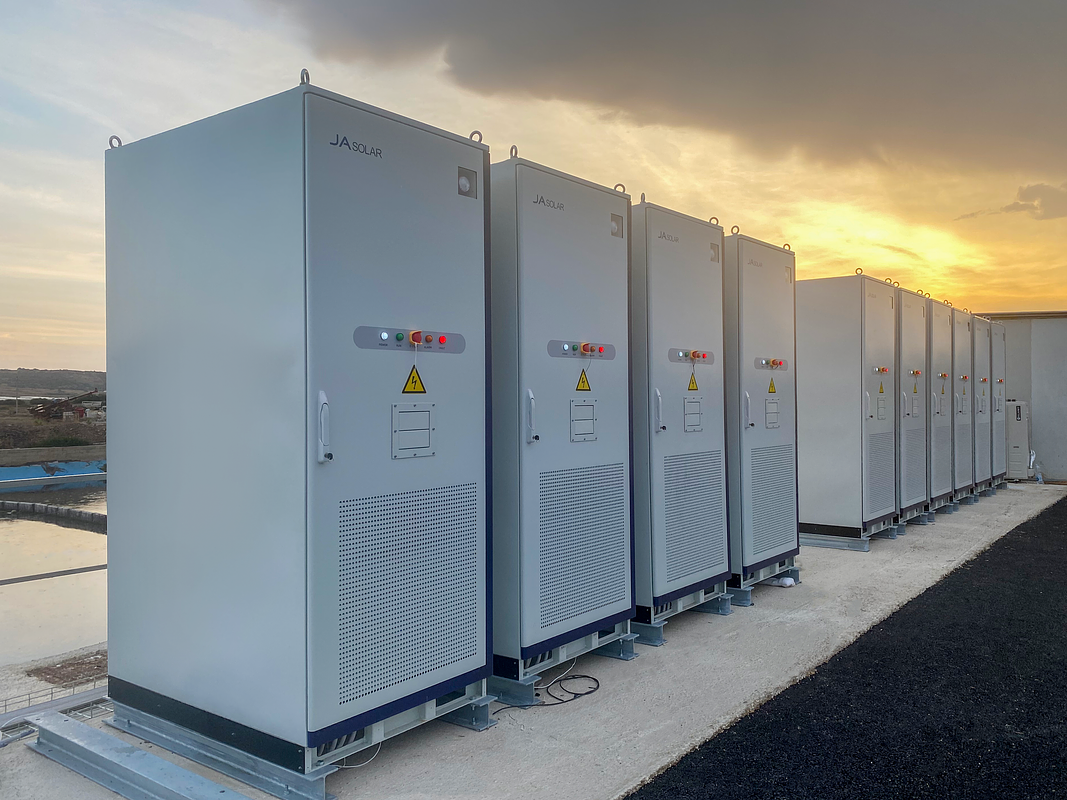
Sicily's Green Leap: JA Solar Microgrid Powers Industrial Resilience
PALERMO, Italy – December 11, 2025 – In a significant step towards industrial energy independence, a commercial and industrial (C&I) facility in Sicily has successfully commissioned a sophisticated solar-plus-storage microgrid. The project, spearheaded by global photovoltaic leader JA Solar, represents a powerful new model for integrating renewable energy directly into industrial operations, promising enhanced resilience, lower costs, and a smaller carbon footprint.
The installation is the first of its kind for JA Solar in Italy and serves as a real-world demonstration of its 'PV+Storage+X' strategy—a flexible framework that combines solar generation and battery storage with applications tailored to specific industries. This approach moves beyond simply supplying hardware, offering a comprehensive energy solution designed for the unique demands of its environment and operations.
A Blueprint for Industrial Autonomy
At the heart of the Sicilian project is a powerful hybrid system. It combines 3.2 MW of pre-existing solar capacity with 2 MW of newly installed photovoltaic panels, creating a formidable 5.2 MW solar array. This generation capacity is paired with a 2.61 MWh Battery Energy Storage System (BESS), a crucial component that unlocks the system's full potential.
The primary benefit is a dramatic increase in renewable self-consumption. By storing excess solar energy generated during peak sunlight hours, the facility can draw from its own clean power reserves during the evening or on cloudy days, significantly reducing its reliance on the main electrical grid. This stored energy also provides critical backup power, ensuring operational continuity during grid outages—a common challenge that often forces industrial sites to rely on costly and polluting diesel generators.
Intelligent management is key to orchestrating this energy flow. The microgrid employs an advanced control system that merges JA Solar's proprietary technology with a locally sourced Italian Energy Management System (EMS). This dual-brain approach allows for real-time optimization, seamlessly balancing energy from the solar panels, the battery, and the grid to meet the facility's consumption needs in the most efficient way possible. The result is a significant reduction in both energy costs and carbon emissions, aligning the facility's economic goals with broader sustainability targets.
This project serves as a template for other C&I facilities in the region and beyond. Sicily has ambitious renewable energy goals, aiming for over 10 GW of installed capacity by 2030, and projects like this are vital for integrating that variable generation without destabilizing the local grid.
Engineering Resilience for Coastal Challenges
Deploying advanced energy systems in a coastal environment like Sicily presents a unique set of engineering hurdles. The island's high humidity, corrosive salt-laden air, and extreme temperature fluctuations can wreak havoc on sensitive electronic components, degrading performance and shortening equipment lifespan. The success of the JA Solar project hinged on designing a system robust enough to withstand these harsh conditions.
The company stated the system was specifically engineered for this coastal setting, incorporating enhanced protection against environmental threats. While specific material choices for this project are proprietary, industry best practices for such environments involve several layers of defense. This includes using high-grade, corrosion-resistant materials like anodized aluminum for mounting structures and employing components with high Ingress Protection (IP) ratings to seal them against moisture and dust.
Furthermore, the photovoltaic modules themselves are likely subjected to rigorous salt spray tests, such as the IEC 61701 standard, to certify their durability. Advanced thermal management is another critical feature. JA Solar's 'BluePlanet' liquid-cooled storage cabinets, deployed in other C&I projects, utilize liquid cooling to maintain a minimal temperature variance between battery cells. This technology is crucial for ensuring system reliability and longevity in climates with significant temperature swings, suggesting a similar focus on thermal stability in the Sicily installation.
By directly addressing these environmental challenges, the project not only ensures its own long-term viability but also provides a proven model for deploying resilient renewable energy infrastructure in coastal regions worldwide.
The 'X' Factor: Beyond Hardware to Integrated Solutions
The Sicily microgrid is a flagship example of JA Solar's strategic pivot from being a component manufacturer to a full-scope energy integrator. The 'PV+Storage+X' model is the cornerstone of this evolution, where the 'X' represents the deep customization required to meet the specific needs of a given industry—be it mining, manufacturing, or agriculture.
This customer-centric approach was formalized with the launch of its dedicated solutions arm, JA Energy Storage, in late 2025, signaling a major expansion beyond its core business of PV modules. The company has rapidly operationalized its strategy, with recent announcements including the shipment of 2.32 MWh of storage systems to Kenya and its selection as a preferred supplier for a massive 5.2 GW solar and 19 GWh storage project in Abu Dhabi.
This model's unique selling proposition lies in its ability to reduce both technical and financial friction for project developers. By offering an integrated PV and BESS solution under a single brand, backed by rigorous safety certifications like the UL 9540A test, the company simplifies procurement and guarantees system compatibility. This holistic approach ensures that the energy storage system is not merely an add-on but is fully integrated into the facility's real-world operating conditions to deliver maximum value.
Tapping into Italy's Evolving Energy Market
The timing of the Sicily project is particularly astute, as it aligns perfectly with Italy's rapidly evolving energy landscape. The nation is on track to become a European leader in BESS deployment, driven by aggressive national renewable energy targets and a growing need for grid stability. Italy aims to install 11 GW of grid-scale energy storage by 2030, supported by robust policy mechanisms.
Installations like the one in Sicily are designed to be future-ready, capable of participating in advanced energy markets. Italy has opened its ancillary services market to distributed resources, creating new revenue streams for BESS operators. These systems can provide critical grid-balancing services, such as frequency response and peak shaving, earning revenue while enhancing the stability of the national grid, which is managed by operator Terna.
Furthermore, the national MACSE tender mechanism, launched in September 2025, offers 15-year contracts for energy storage projects, providing the long-term revenue certainty needed to spur investment. This positions the Sicilian C&I facility not just as an energy consumer but as a potential participant in a Virtual Power Plant (VPP), where it could aggregate its energy resources with others to trade on wholesale markets or bid into capacity markets. This forward-looking capability transforms an operational cost center into a potential revenue-generating asset, future-proofing the investment against market volatility and policy shifts.