
- 91% improvement rate for calcific tendonitis of the shoulder
- 84% improvement rate for plantar fasciitis
- $1,000–$3,000 potential out-of-pocket cost for a full treatment course
Experts agree that shockwave therapy shows strong clinical evidence for treating chronic musculoskeletal pain, but its accessibility is limited by regulatory and insurance challenges.
Shockwave Therapy: A Breakthrough for Chronic Pain or a Costly Hope?
MARIETTA, GA – May 21, 2026 – For the millions of Americans living with chronic pain, the search for relief is a relentless journey often paved with failed treatments, mounting frustrations, and the side effects of long-term medication. Now, a non-invasive technology known as shockwave therapy is gaining prominence, touted by providers as a scientifically-backed solution that can restart the body’s own healing processes. Companies like Shockwave Centers of America are leading a charge to educate the public on its benefits, presenting compelling data for conditions ranging from plantar fasciitis to shoulder pain. But as this technology moves from niche clinics to the forefront of pain management, patients and providers are navigating a complex landscape where promising clinical results collide with the stark realities of regulatory hurdles and insurance coverage.
The Science of a Second Chance
The fundamental premise of shockwave therapy, as outlined by practitioners, is to jolt the body out of a state of chronic dysfunction. When an injury becomes chronic, the body's natural healing response can effectively give up, ceasing to recognize the area as damaged. This leads to persistent inflammation, poor blood flow, and unrelenting pain. Shockwave therapy aims to break this cycle.
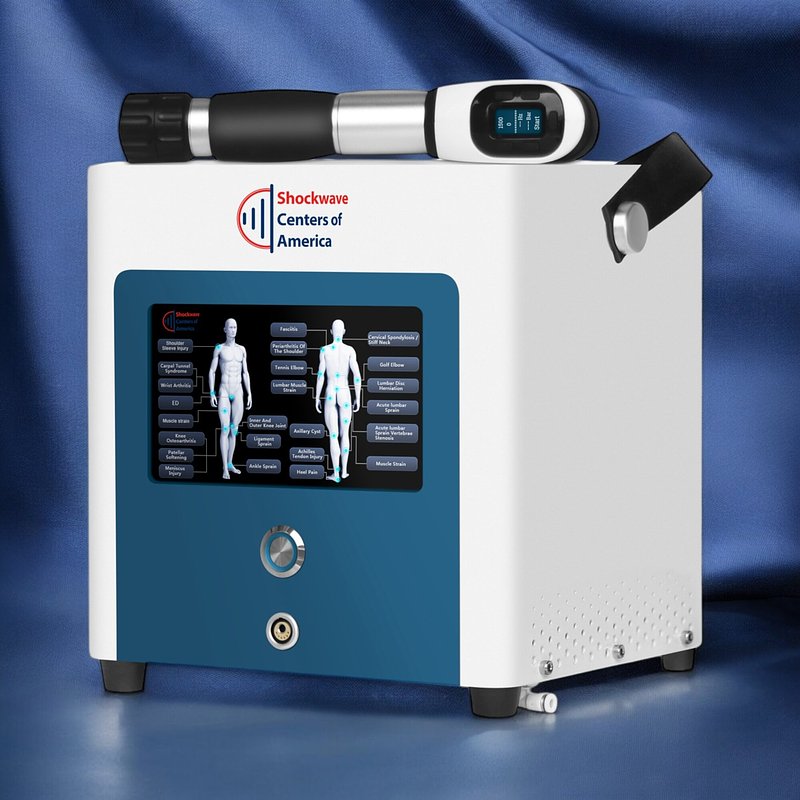
Using a handheld applicator, a practitioner delivers a series of high-energy acoustic waves, or ballistic impulses, deep into the affected soft tissue. This process, known as Extracorporeal Shock Wave Therapy (ESWT), creates a controlled microtrauma. This new, acute inflammatory condition essentially tricks the body into launching a fresh healing response.
David Tucker, Co-Founder of Shockwave Centers of America, described the process in a recent announcement. "When chronic pain sets in, the body's healing response stops functioning as it should. Shockwave therapy restarts that process by introducing a new inflammatory condition that prompts natural repair, including the release of bio-chemicals and the building of new microscopic blood vessels," Tucker said.
This cascade of biological activity is the core of the therapy’s effectiveness. The energy waves stimulate cells to release healing factors, which in turn triggers angiogenesis—the formation of new blood vessels. This improved circulation delivers vital oxygen and nutrients to the damaged tissue, facilitating repair at a cellular level. Dr. Dan Ruitenbeek, the company's other co-founder, noted, "The energy pulses used in shockwave therapy stimulate cells responsible for bone and connective tissue healing, making it effective in situations where the body has not healed on its own."
A Sound Solution: The Evidence Behind the Waves
The claims made by proponents are not without foundation. A body of medical literature spanning more than two decades, including systematic reviews and double-blind, randomized controlled trials, supports the use of ESWT for a variety of musculoskeletal issues. Shockwave Centers of America highlights remarkable success rates from these studies, including a 91 percent improvement rate for calcific tendonitis of the shoulder, 84 percent for plantar fasciitis, 77 percent for tennis elbow, and 85 percent for hamstring injuries.
These figures are backed by independent research. Meta-analyses have consistently shown ESWT to be significantly better than placebo for reducing pain and improving function in conditions like chronic calcific tendinitis and plantar fasciitis. Some studies have even documented the complete resorption of calcium deposits in the shoulder following treatment. The therapy is now being successfully applied to a broad spectrum of ailments, including Achilles tendinopathy, jumper's knee, bursitis, shin splints, and even certain types of chronic low back pain.
For the patient, the procedure is relatively straightforward. A session typically lasts only 10 to 15 minutes. After an ultrasound gel is applied, the applicator is moved over the painful area. While patients may experience some discomfort during the treatment, practitioners can adjust the intensity in real-time. The most common side effect is a lingering soreness for a day or two, often described as being similar to the feeling after a strenuous workout, which is considered a sign that the healing process has been activated.
The Regulatory and Reimbursement Reality
Despite the strong clinical evidence and growing patient demand, a significant chasm exists between the therapy's potential and its accessibility. The primary obstacles are regulatory nuances and, most critically, insurance coverage. While the U.S. Food and Drug Administration (FDA) has granted clearance to several shockwave devices, these approvals are often for very specific conditions, such as chronic plantar fasciitis or diabetic foot ulcers. There is no blanket FDA approval for "chronic pain," which leads to caution from insurers.
Consequently, most major health insurance providers in the United States, including Medicare and many Blue Cross Blue Shield plans, frequently classify shockwave therapy for musculoskeletal conditions as "investigational" or "not medically necessary." This classification effectively denies coverage, leaving patients to bear the full cost.
And the cost can be substantial. With individual sessions ranging from $250 to $500, and a typical treatment course requiring three to six sessions, a patient could face an out-of-pocket expense of $1,000 to $3,000 or more. This financial barrier means that for many, a therapy that could potentially offer life-changing relief from chronic pain remains just out of reach. Clinics often try to mitigate this by offering package deals or payment plans, but it remains a significant hurdle in the patient journey.
A Growing Market for Non-Invasive Relief
The challenges with reimbursement have not slowed the therapy's market growth. The global shockwave therapy market is valued at over $1.4 billion and is projected to grow steadily, driven by an aging population, the increasing prevalence of musculoskeletal disorders, and a powerful societal shift away from opioids and invasive surgeries. Patients are actively seeking safer, drug-free alternatives, and many are willing to pay out-of-pocket for effective solutions.
Compared to other non-invasive modalities, shockwave therapy holds a distinct advantage. While treatments like therapeutic ultrasound and laser therapy are beneficial for superficial tissues, their energy cannot penetrate as deeply. Shockwave therapy's mechanical energy can reach and effectively treat deeper structures like tendons and calcific deposits, triggering a more robust biological response through a process called mechanotransduction.
This effectiveness has created a thriving market where patient demand and provider belief in the technology are powerful enough to bypass traditional insurance-based models. As more practitioners invest in the equipment and training, access is expanding, but it simultaneously reinforces a two-tiered system where those who can afford to pay have access to one of the most promising non-invasive pain treatments available.
For now, shockwave therapy occupies a unique space in modern medicine. It is a treatment backed by a growing consensus in the scientific community, offering a tangible alternative for individuals whose lives have been constrained by chronic pain. Yet, its path to mainstream acceptance is encumbered by a healthcare system slow to adapt, forcing many patients into a difficult cost-benefit analysis between their financial health and their physical well-being.