
- 20% or more: Potential annual reduction in total healthcare costs through advanced primary care models.
- 20-30 minutes: Longer appointment times at the InHealth Center compared to the national average of 15 minutes or less.
- Double-digit savings: QuadMed's historical claims of generating cost savings for employers.
Experts in healthcare and employee benefits would likely conclude that Sheboygan's direct-to-employer healthcare model represents a promising, data-driven approach to controlling costs and improving outcomes, aligning with a growing national trend of employers taking active roles in healthcare delivery.
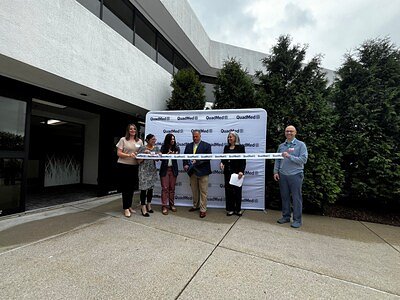
Sheboygan's Public Employers Forge New Path in Employee Healthcare
SHEBOYGAN, Wis. – May 20, 2026 – In a significant move to reshape employee healthcare, a coalition of Sheboygan’s largest public employers has partnered with Wisconsin-based QuadMed to operate the Sheboygan InHealth Center. The collaboration unites Sheboygan County, the City of Sheboygan, the Sheboygan Area School District, and the Town of Sheboygan in a strategic effort to gain control over rising healthcare costs while improving the quality of care for thousands of public servants and their families.
This partnership marks a deliberate shift away from traditional healthcare models. Instead of simply purchasing insurance, these public entities are actively building a healthcare system tailored to their workforce. The goal is to create a more coordinated, data-driven approach to primary care that emphasizes prevention, improves access, and ultimately lowers the total cost of care for taxpayers and employees alike.
A New Prescription for Public Employee Health
For years, public and private employers across the country have grappled with the relentless inflation of healthcare expenses. The decision by Sheboygan’s public leaders reflects a growing national trend of employers moving from being passive payers of insurance premiums to active purchasers and designers of healthcare services. By directly partnering with a clinical provider, the coalition aims to bypass the administrative complexities and misaligned incentives often found in the traditional fee-for-service system.
"The InHealth Center is a collaboration rooted in wellness, stewardship, and innovation," said Dave Loomis, HR Director for Sheboygan County. "When employees can access care earlier and build trusted relationships with healthcare professionals, they are healthier at work, healthier at home, and better able to care for the people who depend on them."
The model introduced by QuadMed is designed to address common barriers to care. It promises same- or next-day appointments, longer visit times to foster stronger patient-provider relationships, and 24/7 access to care guidance. This focus on accessibility and prevention is intended to catch health issues early, manage chronic conditions more effectively, and reduce reliance on costly emergency room visits and hospitalizations.
A Homegrown Solution with a Proven Record
In selecting QuadMed, the coalition chose a partner with deep Wisconsin roots and a three-decade history in the direct-to-employer healthcare space. The company was founded in 1991 by Harry V. Quadracci, who hired a physician to provide care directly to employees at his Pewaukee printing company, Quad/Graphics. His belief was that employers could offer better, more affordable healthcare than what was available in the community. Today, QuadMed remains family-controlled and physician-led, now headed by founder's daughter, Dr. Kathryn Quadracci Flores.
"This health center represents something fundamentally different in healthcare," said Dr. Quadracci Flores. "Our clients are not buying a network or simply renting access to care. They are building a healthcare model around their people, and that distinction matters... We believe employers should have greater control over how care is delivered, how quality is measured, and how healthcare dollars are spent."
QuadMed's claims of generating double-digit savings and improving health outcomes are supported by historical data. A 2010 case study by The Commonwealth Fund on Quad/Graphics' clinics noted significant improvements in chronic disease management, with patient outcomes for diabetes, blood pressure, and high cholesterol care surpassing national benchmarks. More recent case studies of municipal clients have shown a sustained return on investment and a dramatic increase in the uptake of preventive screenings, indicating higher patient engagement and more proactive care.
Redefining the Doctor's Visit with Integrated Technology
The care model at the InHealth Center is powered by a robust technological backbone: the Epic MyChart platform. This is the same electronic health record (EHR) system used by major health systems across Wisconsin and the nation, a key factor in ensuring care is coordinated. For patients, it means their health information—from lab results to medication history—is available in a single, secure record, whether they see their primary care provider at the InHealth Center or a specialist at a local hospital.
This integration is crucial for QuadMed's population health strategy. Using the data within Epic, providers can move from reactive to proactive care. The system allows them to identify at-risk individuals, conduct targeted outreach for preventive screenings like mammograms or colonoscopies, and monitor patients with chronic conditions to ensure they are receiving appropriate care. This data-driven approach helps close gaps in care and manage high-cost conditions before they escalate.
The patient experience is designed to be fundamentally different. Longer appointment times—often 20 to 30 minutes compared to the national average of 15 minutes or less—allow providers to address multiple concerns, focus on root causes, and build the trust necessary for effective long-term health management. This relationship-based approach is a cornerstone of the direct primary care movement and a stark contrast to the often-rushed nature of conventional clinic visits.
A Disruptive Trend in a Competitive Market
The Sheboygan coalition’s initiative is not happening in a vacuum. It is part of a broader disruption in the U.S. healthcare landscape, where employers are increasingly exploring direct primary care (DPC) and worksite health centers to escape the fee-for-service treadmill. The Wisconsin market is particularly active, with providers like Premise Health, Marathon Health, and Solstice Health competing to offer employers similar models promising cost control and better outcomes.
Research has shown that advanced primary care models can reduce total healthcare costs by 20% or more annually. These savings are achieved by strengthening primary and preventive care, which in turn leads to fewer specialist referrals, reduced emergency department use, and lower hospitalization rates. By investing upfront in comprehensive primary care, employers are betting they can avoid much larger costs down the line.
For Sheboygan's public employees—from teachers and city workers to county administrative staff—this partnership represents a significant investment in their well-being. By removing barriers like cost and inconvenience, the InHealth Center aims to foster a healthier, more productive workforce. This effort in Sheboygan could serve as a powerful case study for other municipalities across the state and nation considering how to take control of their healthcare destiny.