
- 76% of local voters support transforming the zoo into an ecological park
- $12 million in losses reported by the zoo last fiscal year
- 40% decline in zoo attendance since 2019
Experts would likely conclude that the public's overwhelming support for EcoPark SF reflects a growing ethical and environmental shift away from traditional zoos, aligning with broader national trends in animal welfare and urban ecological restoration.
SF's Zoo at a Crossroads: Public Backs EcoPark Over Pandas & Cages
SAN FRANCISCO, CA – January 12, 2026 – A battle for the soul of one of San Francisco's oldest institutions is brewing, as a new independent poll reveals overwhelming public desire to transform the city's embattled zoo. The survey shows 76% of local voters want to re-imagine the 100-acre site, with a majority opposing both animal captivity and a controversial proposal to import giant pandas.
These findings coincide with the launch of EcoPark SF, a campaign advocating for the complete replacement of the San Francisco Zoo with a modern ecological park centered on coastal restoration, science education, and public access. The poll, conducted by national research firm Centiment, surveyed 1,000 San Francisco-area voters and signals a profound disconnect between the public's vision for the future and the zoo's current reality.
"San Franciscans are telling us clearly: they don't want a zoo built on concrete cages and outdated ideas," said Justin Barker, founder of SF Zoo Watch and the lead architect of the EcoPark SF proposal. "They want something better — a place that restores nature, advances science education, and reflects this city's values. The public is ready. Now the city needs to catch up."
A Zoo in Crisis
The push for radical change comes as the San Francisco Zoo grapples with a cascade of financial, operational, and reputational crises. The institution reported nearly $12 million in losses last fiscal year, while attendance has plummeted by 40% since 2019. This decline is stark even when compared to mixed national trends, where some zoos have seen attendance rebound or membership grow post-pandemic.
Scrutiny from city and animal welfare bodies has painted a grim picture of the facility. A recent report from the San Francisco Animal Control and Welfare Commission described the zoo as "dilapidated" and "extremely outdated," flagging "crumbling infrastructure" and rodent infestations. The report noted that some enclosures, dating back to the 1930s-era Works Progress Administration, pose potential risks to both animals and visitors. Specific issues cited included a lack of running water in some habitats and extensive corrosion in major animal enclosures.
In response, zoo officials have pushed back, calling the commission's reports inaccurate and asserting that the facility provides "industry-leading care and safe habitats." They point to their 2022 accreditation by the Association of Zoos & Aquariums (AZA) as proof of their high standards. However, critics and watchdog groups, including Barker's SF Zoo Watch, claim that even AZA reports have highlighted systemic issues, including a "leadership crisis" and "deteriorating facilities."
Compounding the zoo's troubles is an ongoing city audit, unanimously approved by the Board of Supervisors in December 2024 to investigate governance and financial practices, particularly in light of the proposed panda deal. According to a letter from the city's Budget and Legislative Analyst, zoo leadership has been "uncooperative" with the audit, failing to provide a complete financial picture and missing multiple deadlines. This resistance has raised what one supervisor called a "red flag" about public accountability for an institution that operates on public land.
A Tale of Two Visions
The debate is crystallized by two competing visions for the site's future. On one side, some city leaders, including the Mayor's office, see the importation of giant pandas from China as a way to revitalize the zoo, attract visitors, and "expedite and invest in improvements." But the Centiment poll suggests this is a deeply unpopular idea, with 59% of voters opposed. Opponents point to the multimillion-dollar annual fees and strict conditions that typically accompany panda agreements, arguing they would drain resources without addressing the zoo's fundamental structural decay.
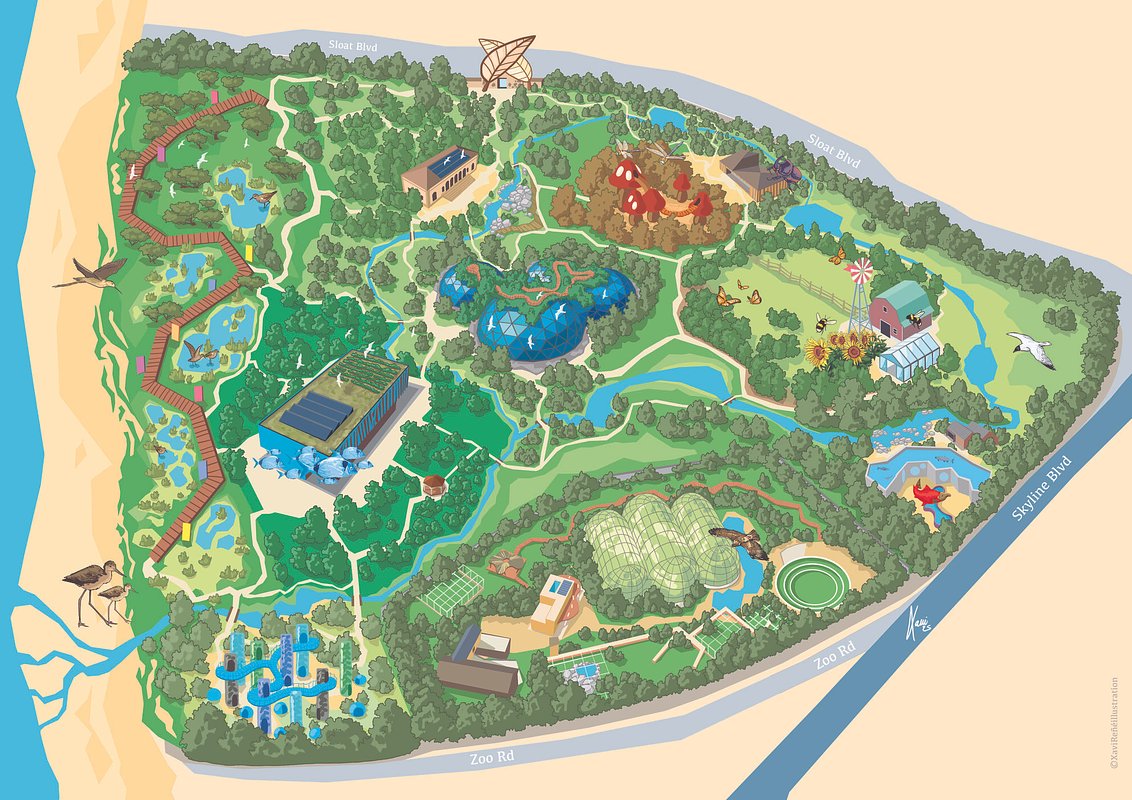
On the other side is the EcoPark SF proposal, which advocates for moving away from the traditional model of exotic animal display altogether. The $350 million plan envisions transforming the 100-acre site into a mosaic of restored native California ecosystems, including wetlands, coastal dunes, and native gardens. Key features would include a Wildlife Rescue & Recovery Hub for local fauna, an Ocean Action Lab for real-time ocean health monitoring, and a 20-acre coastal resilience zone called The Living Edge, designed to protect both wildlife and nearby neighborhoods from sea-level rise.
"This is a once-in-a-generation opportunity," Barker stated in the campaign's announcement. "We can protect our coastline, modernize education, and build a public space for the next century — not the last one."
The Economic and Ecological Case
Proponents of the EcoPark argue that the transformation is not just an ethical and environmental imperative, but also a sound economic investment. The campaign projects the $350 million capital investment would generate between $900 million and $1.2 billion in public value within a decade, combining economic benefits with avoided infrastructure and climate adaptation costs. The park is estimated to create thousands of union construction jobs and up to 450 permanent roles, with an annual economic impact of $90-$125 million.
Funding is envisioned through a blend of public-private partnerships, philanthropic donations, state and federal grants for climate adaptation, and traditional revenue from memberships and admissions. This model mirrors other successful large-scale urban park transformations. San Francisco's own Presidio, a former military base converted into a national park, has thrived through a similar mix of private donations and federal funding. Globally, projects like New York's High Line and the Cheonggyecheon Stream Restoration in Seoul, South Korea, have demonstrated how converting outdated infrastructure into green space can catalyze economic growth, boost tourism, and improve quality of life.
A National Reckoning for Zoos?
The conflict in San Francisco is a potent case study for a broader, national conversation about the role of zoos in the 21st century. As scientific understanding of animal intelligence and emotional complexity grows, public attitudes are shifting. The poll's finding that 57% of San Franciscans oppose keeping animals in captivity reflects a growing ethical unease with the traditional zoo model.
This sentiment is forcing cities and institutions across the country to re-evaluate their purpose. Are they primarily for entertainment, education, or conservation? The EcoPark SF proposal firmly stakes its claim in a future focused on ecological restoration and in-situ conservation—protecting species in their natural habitats—rather than ex-situ captivity. By proposing a large-scale urban nature park that integrates climate action, native wildlife rehabilitation, and community education, the campaign is presenting a tangible alternative that could serve as a bellwether for other cities facing similar challenges with their own aging animal parks.