
- $1 billion investment in the Transamerica Pyramid Center, the largest single investment in downtown San Francisco since the pandemic began.
- After-hours events at ama sold out instantly, with demand far exceeding the room's capacity.
- San Francisco's nighttime economy is showing robust signs of life, with bar and restaurant activity nearing pre-pandemic levels.
Experts would likely conclude that the collaboration between Chef Brad Kilgore and RASA World at the Transamerica Pyramid Center represents a successful model for urban revitalization, combining cultural programming with commercial strategy to transform underutilized spaces into vibrant, revenue-generating experiences.
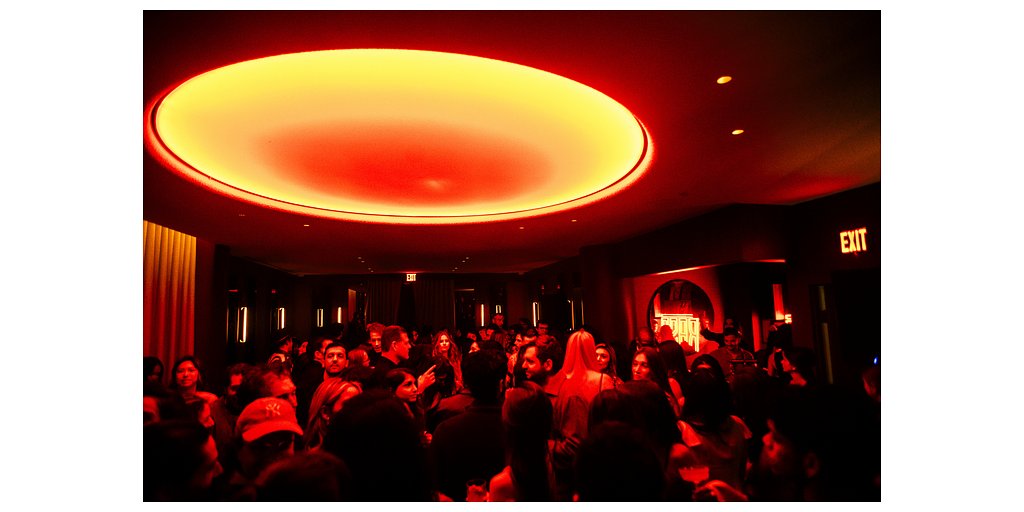
SF's After-Hours Revival: Culture and Commerce at the Transamerica
SAN FRANCISCO, CA – March 18, 2026 – The final plates are cleared at ama by Brad Kilgore, and a hush falls over the intimate dining room. For most restaurants, this marks the end of the night. But here, inside the newly reimagined Transamerica Pyramid Center, it is merely an intermission. On select nights, the space is reborn, transforming from a culinary destination into an exclusive cultural salon where San Francisco's worlds of high-end food and electronic music converge.
Since opening in September 2025, James Beard-nominated Chef Brad Kilgore has partnered with the experiential platform RASA World to produce a series of after-hours events that have become one of the city's most coveted invitations. The first two installments sold out instantly, with demand far exceeding the room's capacity. Now, with a third event scheduled for March 21, the collaboration is expanding, signaling a deeper fusion of culture and commerce that offers a potent new model for urban revitalization.
A New Pulse for a City in Recovery
This unique partnership is not happening in a vacuum. It is a key development in the broader narrative of downtown San Francisco's post-pandemic revival. For years, the city has grappled with record-high office vacancy rates and a narrative of decline. In response, city leaders and private stakeholders have launched ambitious initiatives, from the "Vacant to Vibrant" program activating empty storefronts to the creation of California's first Entertainment Zone, all aimed at breathing new life into the urban core.
The most significant private-sector vote of confidence in this future is the Transamerica Pyramid Center itself. Following a $650 million acquisition in 2020, the new owners, SHVO and Deutsche Finance, have poured an additional $400 million into a sweeping renovation led by the world-renowned architecture firm Foster + Partners. This billion-dollar commitment—the largest single investment in downtown since the pandemic began—has repositioned the iconic landmark not just as office space, but as a multifaceted destination.
The strategy hinges on transforming underutilized real estate into vibrant, revenue-generating experiences. Data shows that while daytime office traffic remains subdued, San Francisco's nighttime economy is showing robust signs of life, with bar and restaurant activity nearing pre-pandemic levels. The RASA and ama collaboration directly taps into this demand, serving as a working example of how cultural programming can function as a powerful commercial strategy. By activating the restaurant space during its dormant late-night hours, the partnership creates a new revenue stream and transforms a landmark property into a dynamic cultural hub, proving that the path to economic recovery can be paved with more than just office leases.
The Blueprint for Scalable Experience
The sell-out success of these evenings is no accident; it is the result of a meticulously engineered system. RASA World, the company co-producing the events, specializes in what it calls "the operating layer for modern live experiences." It has built a proprietary platform designed to make unique, high-demand events not only possible but also repeatable and scalable.
The company's model integrates audience data, automated marketing, on-site production, and commercial partnerships into a single, cohesive system. This allows RASA to identify and activate underutilized spaces—like a fine-dining restaurant after service, a historic pier, or a corporate headquarters—and build a recurring audience. This data-driven approach moves beyond traditional event promotion, creating a feedback loop that refines the experience and builds a loyal community over time. Their "Pier Play" series, for instance, turned the Santa Monica Pier into a major music festival site, growing its audience from 500 to 7,000 per night in just two years.
At ama, this system is applied to a more intimate, luxurious context. The invite-only nature of the series allows for careful audience curation, ensuring the room is filled with the right energy. "I have always been interested in how places shape behavior — how the right environment can change the way people gather and experience culture," says Ahmad Muhaisen, Co-Founder & CEO, RASA World. "What we have built together is not an event series. It is a rhythm. People return, they bring others, and the space begins to carry meaning that extends well beyond any single evening." By monetizing unused time windows with precision, RASA provides a blueprint for property owners and brands looking to unlock new value from their physical assets.
A Fusion of Food, Music, and Design
While RASA provides the operational engine, the soul of the experience comes from the unique cultural fusion happening within ama's walls. San Francisco has long carried a dual identity as both a global culinary capital and a city with deep, influential roots in electronic music. Yet, these two worlds have seldom intersected with such style and intention.
Chef Brad Kilgore, a Food & Wine Best New Chef and alumnus of Chicago's three-Michelin-star kitchens Alinea and L2O, is the visionary behind the venue. His restaurant, ama, is a celebration of Itameshi—a culinary style blending the soul of Italian cooking with the precision and umami-rich techniques of Japan. The menu features inspired crudos, handmade pastas, and koji dry-aged steaks, all grounded in California's exceptional produce. The space itself is an exercise in "intimate maximalism," with an 18-seat dining room and an adjacent Social Club that channels 1970s glamour with plush banquettes, mirrored ceilings, and a curated vinyl collection.
This environment was purpose-built for more than just dining. "When I designed ama, I wanted to create a space that had a life beyond the dinner service — a room with enough character to hold something more," explains Chef Kilgore. "RASA understood that instinctively. What they've built here isn't a night out. It's a feeling people come back for. The caliber of the audience, the energy in the room — it has exceeded everything I imagined for this space."
The after-hours events leverage this atmosphere, layering sophisticated electronic music onto the moody, cinematic backdrop of the Social Club. It caters to a discerning audience that views a night out as a holistic experience, where the quality of the sound, the design of the room, and the composition of the crowd are as important as the food and drink. This synthesis creates something entirely new for the city—a sophisticated, multi-sensory salon that feels both exclusive and essential, perfectly timed for a city eager to redefine its identity. This collaboration demonstrates that the future of urban nightlife may not be in bigger clubs, but in more thoughtfully curated, hybrid experiences that reflect the complex cultural tastes of a modern metropolis.