
- $199 million: The Canadian non-alcoholic beverage market saw sales soar to this amount between mid-2023 and mid-2024, a 24% increase from the previous year.
- 6.3%: The projected compound annual growth rate for the Canadian non-alcoholic beverage market through 2033.
- 42%: The growth rate of dirty soda menu options, a trend Second Cup is capitalizing on with its new Creamy Vanilla Fizz offering.
Experts would likely conclude that Second Cup's strategic pivot toward cold beverages is a well-timed response to shifting consumer preferences, particularly among younger demographics, and positions the brand to compete more effectively in the rapidly growing Canadian beverage market.
Second Cup's Bold Pivot: Chasing Cold Drink Trends Beyond Coffee
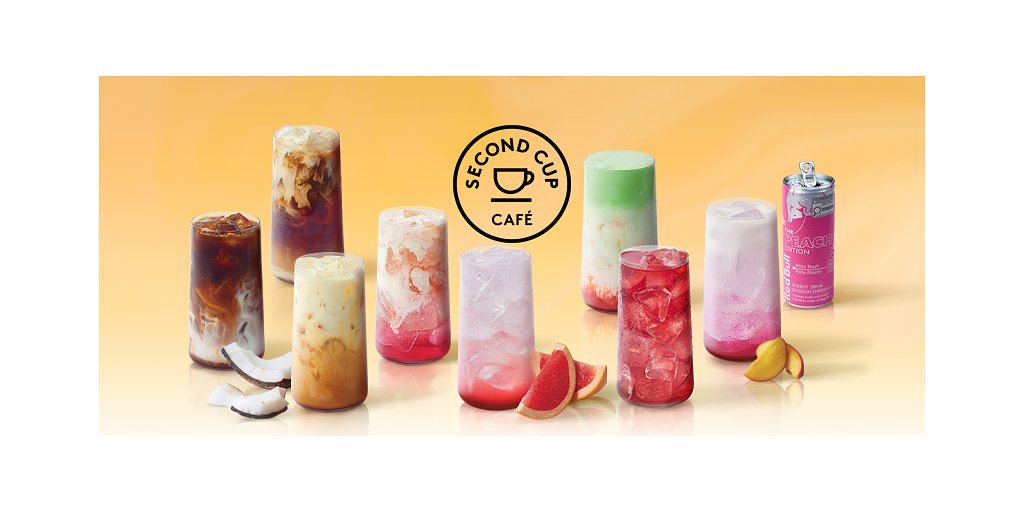
MONTREAL, QC – April 09, 2026 – As the weather warms, Canada’s café giants are preparing for the annual battle over the lucrative cold beverage market. This year, Canadian institution Second Cup is making its most ambitious play yet, launching a diverse lineup of eight new spring and summer beverages on April 14. The new menu moves far beyond traditional iced coffee, venturing into energy drinks, sparkling refreshers, and trendy concoctions inspired by viral social media crazes and classic Canadian desserts.
The move signals a significant strategic pivot for the brand, which has been a Canadian staple since 1975. With this launch, Second Cup is directly targeting a market shift driven by younger consumers who increasingly prefer customizable, flavour-forward, and visually appealing cold drinks over traditional hot coffee. The new lineup includes a mix of indulgent treats and refreshing options, designed to capture a wider audience throughout the day.
The Cold Rush: Tapping into a Booming Market
Second Cup’s aggressive expansion into cold beverages is a direct response to powerful currents in the Canadian beverage industry. The non-alcoholic beverage market has seen explosive growth, with sales soaring to $199 million between mid-2023 and mid-2024—a 24% increase from the previous year. Industry analysts project this momentum will continue, with the market expected to grow at a compound annual rate of 6.3% through 2033.
This growth is largely fueled by changing consumer habits, particularly among Gen Z and millennial demographics. These consumers are driving demand for functional beverages that offer more than just hydration, including energy boosts and wellness benefits. The North American energy drink market is a key growth segment, with nearly half of consumers expressing interest in caffeinated options. Second Cup is tapping into this with its new Dragon Peach Infuzer, an energy-based drink made with Red Bull White Peach.
Furthermore, there is a clear trend away from standard brewed coffee toward specialty cold beverages that offer a unique and "Instagrammable" experience. “This lineup reflects how guest preferences are evolving toward cold, customizable, and flavour-forward beverages,” said Roxane Desjardins, Marketing Director at Second Cup, in a recent press release. The company’s strategy aims to meet this demand head-on, offering a wide spectrum of drinks from the lightly sparkling Coconut Grapefruit Refresher to the layered Strawberry & Matcha.
From Canadian Nostalgia to Global Trends
The true innovation in Second Cup’s new menu lies in its masterful blend of hyper-local nostalgia and global viral trends. The lineup is a carefully curated collection designed to appeal to both traditionalists and adventurous palates.
Leading the charge for Canadian pride is the Nanaimo Bar Flash Brew. This drink transforms one of Canada's most iconic desserts into a sippable cold brew. The Nanaimo Bar, a no-bake confection of crumbly base, custard icing, and chocolate ganache, was voted Canada's Favourite Confection in a 2006 national poll. By translating this beloved treat into a beverage, Second Cup evokes a powerful sense of nostalgia while offering a uniquely indulgent coffee experience that is distinctly Canadian.
On the other end of the spectrum is the Creamy Vanilla Fizz, Second Cup’s entry into the "dirty soda" phenomenon. This trend, which involves adding syrups and cream to soda, has exploded on social media platforms like TikTok, driven by a desire for customizable, non-alcoholic, yet decadent treats. With dirty soda menu options seeing a 42% growth rate, Second Cup’s offering—which combines Coke Zero, vanilla bean syrup, and a splash of cream—is a timely and savvy move to capture a younger, trend-conscious audience.
The menu’s diversity is further showcased with other unique creations. The Sweet Dragon Fizz offers a "swicy" (sweet and spicy) finish by pairing Canada Dry Ginger Ale Zero Sugar with dragon fruit syrup, while the tropical Iced Coconut Latte and the caffeine-free Hibiscus Sweet Breeze Iced Tea ensure there is an option for nearly every preference and time of day.
Heating Up the Competition
Second Cup’s ambitious launch does not happen in a vacuum. The Canadian cold beverage market is a fiercely competitive space, with giants like Tim Hortons and Starbucks continually innovating their seasonal menus. In 2025, Tim Hortons blanketed the market with new Frozen Quenchers in flavours like Pineapple Dragon Fruit and Blackberry Yuzu, alongside indulgent options like a Toasted Marshmallow Cold Brew. Similarly, Starbucks brought back its popular fruit-and-pearl-filled Summer-Berry Refreshers and the White Chocolate Macadamia Cream Cold Brew.
While competitors also focus on fruit-forward and creamy cold drinks, Second Cup's strategy appears more targeted and agile. By directly incorporating a beloved national dessert and capitalizing on a verified viral social media trend, the company is creating distinct points of differentiation. The Nanaimo Bar drink offers a unique selling proposition that competitors cannot easily replicate, grounding the brand in its Canadian heritage. Meanwhile, the embrace of the dirty soda trend shows a willingness to move quickly and cater to the fast-paced world of online culture, potentially attracting a demographic that may have previously overlooked the legacy brand.
The breadth of the eight-drink launch itself is a statement of intent, signaling that Second Cup is no longer content to be just a premium coffee shop but aims to be a comprehensive beverage destination.
The Foodtastic Factor: A Broader Strategy at Play
This strategic beverage launch is also a clear reflection of the influence of Second Cup's parent company, Foodtastic. Since acquiring the coffee chain in 2021, the Montreal-based restaurant franchisor has been on an aggressive growth trajectory. Foodtastic, which operates over 1,200 locations across more than 27 brands including Pita Pit, Freshii, and Milestones, has a stated strategy of acquiring and revitalizing Canadian brands.
Foodtastic has been rapidly expanding its portfolio, with a focus on the quick-service restaurant (QSR) sector due to faster expansion opportunities and lower overhead. The company emphasizes innovation and creating synergies between its brands, often establishing dual-concept locations to maximize efficiency and consumer appeal.
The reinvigoration of Second Cup's menu is a textbook example of Foodtastic's approach. It injects novelty and market relevance into an established brand, leveraging consumer data and trends to drive growth. This launch is not merely a seasonal promotion but a calculated move to future-proof the Second Cup brand, expanding its appeal beyond its core coffee-drinking customer base and positioning it to compete for a larger share of the multi-billion dollar Canadian beverage market. As these limited-time offerings roll out across the country, they will serve as a crucial test of this new, bolder vision for the iconic Canadian café.