
- 90-minute response time: Robinson Restoration guarantees certified technicians will arrive at water-damaged properties within 90 minutes of a call.
- 24-48 hour critical window: The first 24 to 48 hours after water intrusion determine whether a property experiences minor disruption or major reconstruction.
- IICRC-certified technicians: The company employs technicians certified by the Institute of Inspection Cleaning and Restoration Certification (IICRC), the industry gold standard.
Experts would likely conclude that Robinson Restoration's enhanced emergency protocols and preventative strategies are essential adaptations to the Pacific Northwest's increasing climate risks, though the competitive market and potential billing discrepancies highlight the need for consumer diligence.
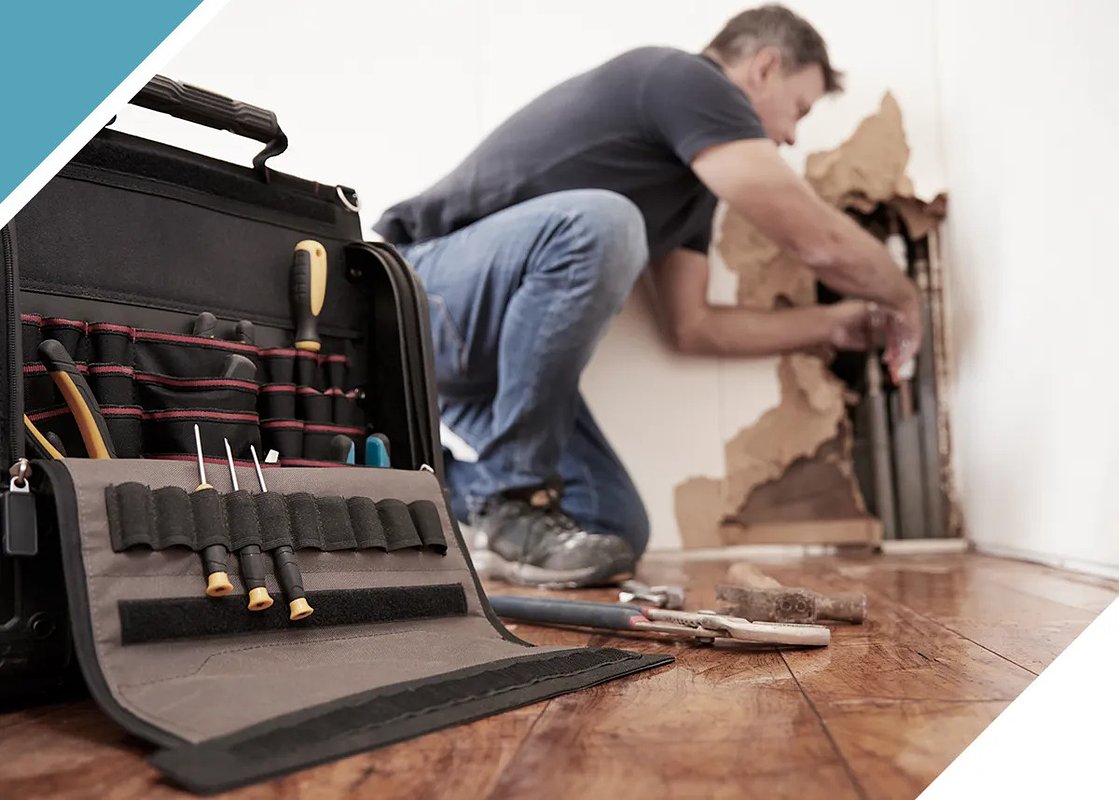
Seattle's Rising Tide: Restoration Firm Boosts Response to Climate Risks
KENT, WA – April 09, 2026 – As residents of the Pacific Northwest brace for increasingly frequent and intense weather events, a local restoration company is reinforcing its front lines. Robinson Restoration announced this week that it has enhanced its emergency protocols, promising to have certified technicians on-site at water-damaged properties across the Seattle area within 90 minutes of a call. The move highlights a critical adaptation by local businesses to the region's evolving climate challenges.
The announcement comes as scientific data and lived experience confirm a troubling trend: the Pacific Northwest is getting wetter in more volatile ways. Climate change is fueling more powerful atmospheric rivers, leading to deluges that overwhelm aging infrastructure and saturate the region's unique topography. For property owners, this translates to a heightened risk of flooding, leaks, and catastrophic water damage.
A New Reality in a Wetter Region
Seattle's vulnerability to water damage is not new, but the risks are intensifying. The city's position between bodies of water, combined with its many hills and dense urban environment, creates a perfect storm for water intrusion. However, recent climate patterns have amplified these inherent risks. Warmer temperatures lead to less mountain snowpack to absorb rainfall, and supercharged storms drop more precipitation in shorter periods, turning manageable rainfall into flash-flood scenarios.
This environmental shift is forcing industries to adapt. Robinson Restoration's initiative is a direct response to this new reality. By investing in a faster, more robust emergency response system, the company is positioning itself as a crucial player in regional climate resilience. This isn't just about fixing leaky pipes; it's about mitigating the immediate and long-term consequences of severe weather events on homes and businesses.
"Water damage escalates exponentially with each passing hour, transforming manageable situations into structural catastrophes," said Tyler Robinson, the company's founder, in a statement. "The first 24 to 48 hours following water intrusion determine whether a property experiences minor disruption or major reconstruction."
The 90-Minute Promise in a Competitive Field
In the high-stakes world of property restoration, speed is paramount. Robinson's pledge to arrive within 90 minutes is a significant commitment, aimed at intervening before water has time to cause irreversible harm, such as warped structures and toxic mold growth. The company states it employs advanced technology, including thermal imaging cameras to find hidden moisture pockets and industrial-grade dehumidifiers for rapid structural drying.
This focus on technical proficiency is backed by a commitment to industry standards. The firm emphasizes that its technicians are certified by the Institute of Inspection Cleaning and Restoration Certification (IICRC), widely considered the gold standard for the industry. An IICRC certification signifies extensive training in water damage restoration (WRT) and applied structural drying (ASD), ensuring a scientific approach to a chaotic event.
However, Robinson Restoration operates in a highly competitive market where rapid response is the baseline expectation. Several other Seattle-area restoration firms also boast IICRC certification and advertise even faster response times, with some promising to be on-site in 60 minutes or less. This context positions Robinson's enhancement not as a revolutionary step, but as a necessary investment to maintain a competitive edge in a region where demand for such services is tragically growing.
Navigating the Aftermath: Insurance, Costs, and Customer Diligence
For property owners facing a water emergency, the restoration process is only half the battle. Navigating insurance claims adds another layer of stress. Recognizing this, Robinson Restoration, like many of its competitors, advertises direct-to-insurance billing and claims assistance, aiming to reduce the financial burden on homeowners during a crisis.
The company states it works with all major insurance carriers and acts as an advocate for the property owner to ensure a fair and complete restoration process. This service is a significant selling point for distressed clients.
While online customer reviews frequently praise the company's on-site teams for their speed, professionalism, and communication, prospective customers should exercise due diligence. The company is not accredited by the Better Business Bureau in several of its locations, and the BBB website hosts multiple customer complaints regarding billing practices. Some former clients allege significant discrepancies between initial estimates and final invoices. This highlights a crucial point for any consumer hiring a restoration company: it is vital to get a detailed, itemized quote in writing and maintain clear communication regarding all costs throughout the project, especially those billed to an insurance provider.
From Reactive Repairs to Proactive Prevention
Beyond its emergency services, the Kent-based firm also underscores the importance of preventative strategies. As part of its services, the company offers property owners guidance on reducing their vulnerability to water damage. This includes recommendations for regular inspections of plumbing and roofing, assessments of moisture barriers, and evaluations of drainage systems to ensure they can handle the region's intense rainfall.
This focus on prevention marks a crucial shift from a purely reactive business model to one that acknowledges the long-term challenges facing Pacific Northwest properties. As climate patterns continue to change, the role of restoration companies is expanding. They are no longer just cleanup crews, but essential consultants in an ongoing effort to make the region's buildings more resilient against the water-logged future that lies ahead.