
- 18 million Umrah performers served with a 94% satisfaction rate
- 214% growth rate in Umrah performers since 2022
- $26.6 billion Masar Destination project in Makkah to add 24,000 hotel rooms
Experts agree that Saudi Arabia's Vision 2030 is successfully leveraging technology and infrastructure to transform pilgrimage experiences, though challenges like overtourism, climate risks, and digital reliability remain critical.
Saudi Arabia's High-Tech Holy Cities: Vision 2030 Transforms Pilgrimage
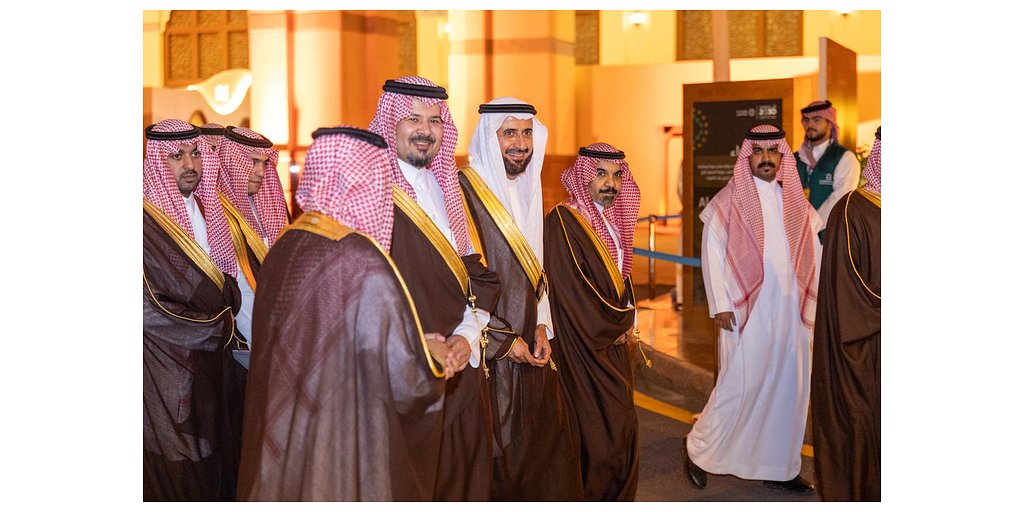
MADINAH, Saudi Arabia – April 07, 2026 – The recent conclusion of the third Umrah and Ziyarah Forum in Madinah was not just a ceremonial gathering, but a declaration of monumental progress in Saudi Arabia's ambitious plan to redefine the pilgrim experience. Under the patronage of His Royal Highness Prince Salman bin Sultan bin Abdulaziz, Governor of the Madinah Region, the forum celebrated staggering figures: over 18 million Umrah performers served, a satisfaction rate officials pegged at over 94%, and a digital ecosystem reaching tens of millions worldwide. These achievements are cornerstones of the Kingdom's Vision 2030, a national strategy leveraging technology and massive infrastructure investment to accommodate a new era of global religious tourism.
While the forum highlighted a 214% growth rate in Umrah performers, broader data confirms a powerful upward trend, with pilgrim numbers increasing by over 100% between 2022 and 2024. This surge is being managed through a sophisticated blend of digital tools and human capital development, signaling a fundamental shift in how the sacred journeys of Hajj and Umrah are facilitated.
The Digital Transformation of a Sacred Journey
At the heart of this transformation is the “Nusuk” platform, the official Hajj and Umrah “super-app.” Envisioned as a digital companion for every pilgrim, the app centralizes everything from e-visa processing and permit applications to booking flights and hotels. With over 12 million downloads and availability in 14 languages, it aims to create a seamless, cashless, and informed journey for the “Guests of Allah.”
Pilgrims can use the app to check real-time crowd levels, receive prayer time updates, and book coveted slots for visiting Rawdah Al-Sharif at the Prophet's Mosque in Madinah. For many, it has become an indispensable tool. User reviews frequently praise it as a “loyal guide” that simplifies complex logistics and enhances the spiritual focus of the pilgrimage. The integration of health services, such as vaccination status verification, further streamlines the process.
However, the rapid rollout of such an ambitious digital solution is not without its difficulties. Some users report significant challenges, including persistent login issues, difficulties securing booking slots for high-demand rituals, and occasional language setting glitches. These issues underscore the immense technical challenge of creating a flawless digital experience for millions of simultaneous users from diverse backgrounds. The success of the digital pilgrimage hinges on the reliability of this infrastructure, a point acknowledged by the forum’s awards for technical innovation, which celebrated partners advancing digital solutions.
Beyond Nusuk, the digital ecosystem is expanding. Companies like Bookme have partnered with the Ministry of Hajj and Umrah to enable instant, fully digital Umrah visa issuance. Simultaneously, telecom providers such as Zain KSA have invested over SAR 1.6 billion to ensure 100% 5G network coverage at the holy sites, providing the high-speed connectivity necessary to power this digital-first approach.
Building for 30 Million Pilgrims
The digital transformation is paralleled by a physical one of breathtaking scale. Saudi Arabia is in the midst of a multi-billion-dollar construction boom aimed at achieving its Vision 2030 goal of hosting 30 million Umrah pilgrims annually. These are not minor upgrades but city-scale redevelopments designed to expand capacity and enrich the visitor experience.
The Masar Destination project in Makkah, a $26.6 billion undertaking, is creating a new urban corridor with 24,000 hotel rooms. In Madinah, the Rua Al Madinah redevelopment is set to add 47,000 hotel rooms across a 1.5 million square meter area. These projects are designed to be more than just accommodation hubs; they are integrated urban centers with retail, dining, and cultural spaces that will create nearly 100,000 jobs.
Connecting these expanding holy cities is the Haramain High-Speed Railway. The 450-kilometer line links Makkah, Madinah, Jeddah, and King Abdullah Economic City, capable of handling up to 60 million passengers a year. This modern transport artery has drastically cut travel times and is essential for managing the flow of millions of visitors between key sites. Further expansions, including new metro systems in Makkah, are planned to alleviate congestion and improve accessibility.
This infrastructure push also includes a focus on cultural and spiritual enrichment. The forum noted the development of 87 historical sites. This initiative, part of the Pilgrim Experience Program, aims to restore and develop locations of Islamic significance, allowing visitors to connect more deeply with the region's rich history beyond the primary rituals.
Navigating Future Growth and Its Challenges
As Saudi Arabia races toward its 2030 targets, the successes celebrated at the Umrah and Ziyarah Forum also bring a new set of complex challenges into sharp focus. Managing the exponential growth in pilgrim numbers is a monumental task that tests the limits of logistics, sustainability, and service quality.
One of the most pressing concerns is the risk of overtourism. While the new infrastructure is designed for high capacity, the holy sites themselves have finite space. Ensuring a safe and spiritually fulfilling experience amid dense crowds requires increasingly sophisticated crowd management systems, which are being continuously refined.
Climate change presents another formidable challenge. With Hajj seasons increasingly falling during Saudi Arabia's scorching summer months, extreme heat poses a significant health risk, particularly for elderly pilgrims. The Kingdom has implemented measures like cooling stations and health advisories, but the threat of heatstroke and dehydration remains a serious concern that will likely intensify in the coming years.
Furthermore, the cost of pilgrimage is a growing issue. While the streamlined services offer convenience, rising fees for Hajj and Umrah packages can place the journey beyond the reach of many, potentially fueling a market for unofficial, less-safe travel options. Balancing accessibility with the high cost of maintaining and expanding world-class services is a delicate act.
Finally, the reliance on technology, while a key enabler, also introduces vulnerabilities. The success of the entire system depends on the flawless operation of apps, networks, and digital platforms. Ensuring this infrastructure is robust, secure, and user-friendly for a global audience with varying levels of digital literacy will be a continuous and critical effort for the Kingdom's planners.