
- Screen sizes: 55-, 65-, 75-, 85-, 100-, and 115-inch models
- Color accuracy: Micro RGB Precision Color 100, certified by VDE to achieve 100% of BT.2020 wide color gamut
- Price point: Initial 115-inch model launched at $29,999
Experts view Samsung's 2026 Micro RGB TV lineup as a strategic move to challenge OLED dominance in the premium display market, leveraging superior brightness, color accuracy, and AI-driven enhancements to attract high-end consumers.
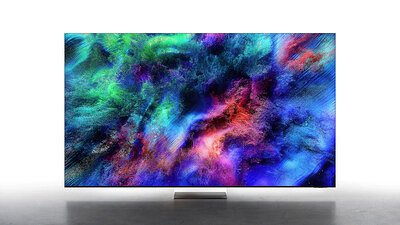
Samsung’s 2026 TV Lineup: Micro RGB Aims for Premium Dominance
SEOUL, South Korea – December 16, 2025 – Samsung Electronics is making an aggressive push to redefine the premium television market, today announcing a major expansion of its Micro RGB TV lineup for 2026. The new range will bring the company's advanced display technology to a wider array of screen sizes, from a living-room-friendly 55-inch model up to a cinematic 115-inch centerpiece, signaling a strategic effort to make its most advanced screen technology more accessible to high-end consumers.
Building on the 115-inch model introduced in 2025, the 2026 portfolio will now include 55-, 65-, 75-, 85-, and 100-inch options. This move positions Samsung to compete more directly with rival premium technologies like OLED and QD-OLED, while staking a larger claim in the burgeoning, albeit expensive, Micro LED space.
"With Samsung's latest technology, our Micro RGB portfolio delivers vivid color and clarity that make movies, sports and TV shows feel more expressive and engaging," said Hun Lee, Executive Vice President of the Visual Display (VD) Business at Samsung Electronics, in a statement. "By expanding the lineup for 2026, we're establishing a new premium category with sizes that span the full range of modern living spaces while maintaining our highest picture standards."
A New Battleground in Premium Displays
Samsung's announcement highlights a critical distinction in the ultra-premium market. The term "Micro RGB" refers not to the self-emissive "true" MicroLED technology found in ultra-luxury displays like Samsung's own "The Wall"—which can cost over $100,000—but to an advanced form of LCD TV that uses a backlight composed of microscopic red, green, and blue LEDs. These sub-100μm LEDs allow for far more precise light and color control than traditional Mini-LED backlights, which typically use white or blue LEDs filtered through a color layer.
This architecture allows Micro RGB displays to generate color directly from the backlight, a method that promises significant gains in color volume and brightness. Samsung claims its new lineup features Micro RGB Precision Color 100, a technology certified by VDE to achieve 100% of the demanding BT.2020 wide color gamut. This capability aims to produce hyper-realistic hues that can surpass even the best consumer displays on the market today.
The technology is engineered to challenge the dominance of OLED in the premium space. While OLED technology is prized for its perfect black levels and infinite contrast, achieved by turning individual pixels completely off, it has limitations in peak brightness and carries a risk of permanent burn-in. Micro RGB, by contrast, promises superior brightness and longevity without burn-in concerns. While it still relies on local dimming zones and may not eliminate backlight blooming entirely, the increased density and precision of its RGB LED backlight aim to close that gap significantly, offering a compelling alternative for viewers who prioritize brightness and vibrant color in varied lighting conditions.
The Intelligence Inside: AI Redefines Picture and Interaction
At the heart of the new lineup is the Micro RGB AI Engine Pro, a next-generation chipset designed to maximize the hardware's potential through sophisticated processing. This AI engine powers a suite of enhancement features, including 4K AI Upscaling Pro to sharpen lower-resolution content and AI Motion Enhancer Pro to smooth out fast-paced action in sports and movies. Furthermore, Micro RGB Color Booster Pro and Micro RGB HDR Pro work in tandem to analyze content frame-by-frame, optimizing color expression and dynamic range for unprecedented realism.
Beyond picture quality, Samsung is enhancing the user experience with an upgraded Vision AI Companion. This platform integrates a large language model (LLM) with its Bixby voice assistant, transforming the TV into a more intuitive smart home hub. This enables advanced conversational search, interactive Q&A sessions, and proactive content recommendations. The integration also powers practical AI applications like Live Translate for on-screen dialogue and Generative Wallpaper for creating custom ambient art, pushing the television's role far beyond simple content consumption.
This heavy emphasis on AI is a key differentiator, as processors become just as important as the panels themselves in delivering a premium experience. The on-device intelligence is tasked not only with refining the visual output but also with creating a more seamless and interactive user environment that learns and adapts to the viewer.
Strategy and Market Ambitions
The expansion of the Micro RGB lineup, particularly into smaller 55- and 65-inch sizes, represents a calculated strategic pivot. While true MicroLED remains prohibitively expensive for all but the wealthiest buyers, with prices from competitors like LG and Hisense often reaching six figures, this new range targets the more attainable luxury market. By offering sizes and potential price points that could compete with flagship OLED models, Samsung is aiming to carve out a dominant position in the space just below the stratospheric cost of true MicroLED.
This strategy addresses the primary barrier to adoption for advanced display tech: cost. While the initial 115-inch Micro RGB TV launched at a steep $29,999, the introduction of smaller models suggests Samsung is growing more confident in its ability to scale production and improve manufacturing yields. The high cost of Micro LED and related technologies stems from complex assembly processes, but the industry is investing billions to streamline production. Samsung's move indicates progress in making these advanced backlights more commercially viable, potentially paving the way for a new standard in high-end LCD televisions.
The company is betting that a growing segment of consumers who demand superior picture quality are willing to pay a premium for technology that pushes beyond the limits of current offerings. By providing a wider range of sizes, Samsung is making this ultra-premium experience a possibility for a broader set of living spaces and budgets.
Beyond the Pixels: A Complete Sensory Experience
Samsung is rounding out its premium offering with features designed to enhance the entire viewing experience. The new TVs will incorporate the company's proprietary Glare Free technology, which minimizes reflections to preserve color and contrast, a crucial feature for bright-room viewing.
Audio has also received a significant upgrade. The 2026 lineup will support Dolby Atmos for immersive, multidimensional sound and feature Adaptive Sound Pro, which optimizes audio clarity based on the room's acoustics and the type of content being played. Furthermore, all 2026 Samsung TVs will debut Eclipsa Audio, a new proprietary spatial sound system engineered for immersive 3D audio. This, combined with Q-Symphony technology that synchronizes the TV's speakers with compatible Samsung soundbars, creates a powerful and integrated soundstage straight out of the box.
These comprehensive upgrades in visuals, intelligence, and audio demonstrate a holistic approach to home entertainment. The full 2026 Micro RGB lineup is set to be showcased at CES 2026 in Las Vegas this coming January. As the industry converges on the event, all eyes will be on Samsung to see if its Micro RGB gamble can successfully redefine the boundaries of premium home entertainment.