
- 175+ participants from over 40 nations attended the international symposia on athlete safety.
- First real-time pilot for reporting misconduct during the Milan-Cortina Games, testing procedures for LA28.
- 2026 SafeSport Code updated to clarify jurisdiction and expand authority over emotional/physical misconduct.
Experts emphasize the need for sustained global collaboration and harmonized safeguarding policies to protect athletes, while acknowledging ongoing challenges in the U.S. Center for SafeSport's effectiveness and due process.
SafeSport's Global Push: Piloting Protection for LA28 Amid Scrutiny
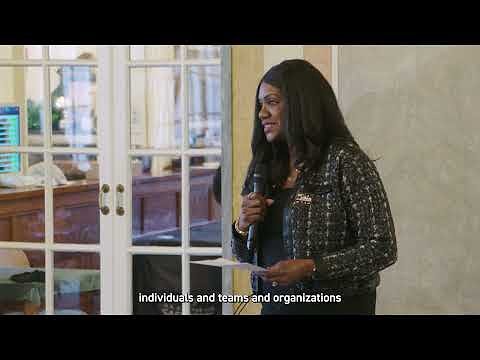
CORTINA D'AMPEZZO, Italy – March 13, 2026 – As the snow settled on the 2026 Winter Olympic and Paralympic Games, the U.S. Center for SafeSport concluded a series of high-level international symposia aimed at forging a global front for athlete protection. The events, held in Milan and Cortina, brought together more than 175 sports leaders, athletes, and safeguarding experts from over 40 nations to collaborate on best practices, with a clear and urgent focus on the upcoming LA28 Summer Games.
The initiative, branded "United Globally for Athlete Safety," represents a significant step in the Center's strategy to move from a national watchdog to a global collaborator. The goal is to create a seamless web of safety protocols that transcends borders, a mission articulated by the Center's leadership.
"We want to collaborate across our countries' borders, to ensure athletes at every level, from the practice fields to the Olympic podium feel safe, supported, and strengthened," said Benita Fitzgerald Mosley, the Chief Executive Officer at the U.S. Center for SafeSport and a 1984 Olympic gold medalist. "This collaboration is especially critical for the U.S. Center for Safe Sport as LA28 fast approaches. I won gold in LA in 1984, and my mission is to return to LA in 2028 with a gold medal plan for athlete safety."
A Real-Time Test for a Future Games
Beyond the conference rooms, the Center used the Milan-Cortina Games as a live-fire exercise. For the first time, it piloted a process for receiving reports of misconduct on the ground and in real time. Staff were deployed to accept reports of emotional, physical, or sexual misconduct, coordinate directly with law enforcement and U.S. Olympic & Paralympic Committee (USOPC) officials, and, if warranted, rapidly assess and impose temporary measures against accused individuals.
This on-the-ground presence was a crucial intelligence-gathering operation, designed to inform a much larger and more complex deployment for the LA28 Games. By testing its procedures in a live, high-stakes environment, the Center aims to build a robust and responsive system capable of handling the immense scale of a home Games. The pilot also included providing Games-specific abuse prevention training for staff and volunteers working with American athletes, signaling a shift toward proactive, preventative measures at major international events.
This effort aligns with broader safety preparations by the USOPC and LA28 organizers, who have identified athlete safety as a top priority. Initiatives like the USOPC's "Team USA Safe Online" platform, designed to combat digital harassment, and the early formation of a unified safety command for LA28 underscore the multi-faceted approach being taken to protect athletes in the modern era.
The Call for Global Collaboration
The symposia in Italy served as the diplomatic arm of the Center's mission. Panels featured elite Olympians, Paralympians, and safeguarding experts who shared starkly honest perspectives on the cultural and systemic changes needed to truly protect athletes. U.S. Paralympian and IPC Governing Board member Brad Snyder expressed his satisfaction with the progress being made. "I am very, very gratified that we are here where we are today with the mechanisms in place to start working on protecting those athletes... and protecting what we all know is the incredible good that sport can deliver," he said.
However, the discussions also highlighted that one-off events are not enough. A call for sustained international effort was a recurring theme, with many participants advocating for more permanent networks of communication and support.
"The organization of this event is great, but we also need spaces throughout the years between big sport events to actually work together a little bit more closely," said Greta Garbone, Human Rights Manager at Fondazione Milano Cortina 2026. She stressed the importance of "building networks, building coalitions that go beyond the national level."
This reflects a growing consensus within the international sports community. Major bodies like the International Olympic Committee (IOC) and International Paralympic Committee (IPC) have their own safeguarding frameworks, and the push is now toward harmonizing these policies to close jurisdictional gaps and ensure athletes are protected regardless of where they compete.
Navigating a Legacy of Scrutiny
While the Center's forward-looking initiatives draw praise, they are unfolding against a backdrop of intense scrutiny and criticism. The U.S. Center for SafeSport was established by federal law in 2017 as a direct response to high-profile sexual abuse scandals, most notably the case of former USA Gymnastics doctor Larry Nassar, which exposed catastrophic failures within the U.S. Olympic system to protect its athletes.
Since its inception, the organization has been beset by challenges. Critics, including athlete advocates and legal experts, have consistently raised concerns about the Center's effectiveness. Investigations have been described as opaque and agonizingly slow, sometimes taking years to resolve. Many cases are ultimately "administratively closed" without a formal finding, leaving both accusers and the accused in a state of limbo and fueling questions about accountability.
Furthermore, the Center has faced accusations of failing to provide adequate due process for those accused of misconduct. These concerns were thrown into sharp relief in February 2025 when a Florida judge severely rebuked the organization for its handling of a case, accusing it of "perpetuating a fraud" and violating due process. Questions have also persisted about its independence, as it receives a significant portion of its funding from the USOPC—the very body whose member organizations it is tasked with policing.
The Path Forward: Evolving Codes and Culture
In response to this sustained pressure, the Center has begun to implement significant changes. The 2026 SafeSport Code, effective this year, was updated to clarify jurisdictional boundaries and expand the Center's discretionary authority over emotional and physical misconduct. In April 2024, the organization announced ten operational changes designed to increase efficiency and what it termed "trauma sensitivity," a direct acknowledgment of complaints from both victims and the accused about the investigative process.
These internal reforms are being paired with external outreach. In Los Angeles, the Center has partnered with LA28 on the "PlaySafe LA" program, a grassroots initiative to provide its signature abuse prevention training to youth sports programs across the city and county. This effort aims to embed a culture of safety at the community level long before the Olympic torch arrives.
For the U.S. Center for SafeSport, the road to LA28 is therefore a dual-track effort. It involves building international coalitions and testing sophisticated safety protocols for a global mega-event, while simultaneously working to reform its own internal processes and rebuild trust with the very athletes it was created to protect.
Topics & Related
Digital Transformation
Regulation & Compliance
Related Company Pulse