
- 100 recreational boaters die annually in Canada on average.
- 80% of drowning victims are not wearing a lifejacket or PFD.
- 40% of boating fatalities involve alcohol impairment.
Experts emphasize that wearing a lifejacket, avoiding alcohol, and understanding cold water risks are critical to preventing boating fatalities.
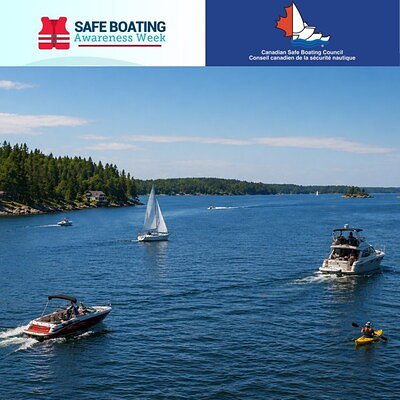
Safe Boating Week Aims to Curb Rise in On-Water Incidents
TORONTO, ON – May 14, 2026 – As the Victoria Day long weekend approaches, heralding the unofficial start of summer, millions of Canadians are preparing to cast off lines and head onto the water. But amidst the excitement, a sobering trend has prompted a nationwide call for caution. The Canadian Safe Boating Council (CSBC) is launching its annual Safe Boating Awareness Week, running from May 16 to 22, in response to a growing number of boating-related incidents and fatalities.
Canada's passion for recreational boating is undeniable, with over 12 million people enjoying the country's vast network of lakes, rivers, and coastlines each year. However, this popularity has been shadowed by preventable tragedies. On average, approximately 100 recreational boaters die in Canada annually, a statistic that safety organizations are working tirelessly to reduce. The CSBC's campaign, supported by partners across the country, is a critical effort to embed a culture of safety before the season gets into full swing.
The Five Pillars of Survival
At the heart of the campaign are five key messages, simple in principle but life-saving in practice. The CSBC and its partners, including Transport Canada's Office of Boating Safety, are urging all boaters to adopt these habits not just for one week, but for the entire season.
Wear Your Lifejacket: This remains the single most important piece of advice. Statistics are tragically consistent: over 80% of recreational boaters who drown are found not wearing a lifejacket or Personal Flotation Device (PFD). Having a PFD stored under a seat is not enough; in a sudden accident, there is rarely time to retrieve and don it. Modern PFDs are designed to be less bulky and more comfortable, removing old excuses for not wearing one.
Boat Sober: Impaired operation is a major contributor to on-water accidents. Research shows that alcohol is a factor in roughly 40% of boating fatalities. The effects of sun, wind, and boat motion can magnify the impact of alcohol, impairing judgment, slowing reaction times, and compromising coordination. The laws are clear: operating a boat while impaired carries the same legal consequences as driving a car under the influence.
Be Prepared, You and Your Vessel: Preparation begins before leaving the dock. This means filing a trip plan, checking the weather forecast, and ensuring the vessel is equipped with all federally-mandated safety gear. This includes a buoyant heaving line, a reboarding device, a bailer or bilge pump, a sound-signalling device, and a watertight flashlight. All operators of motorized vessels are required to carry proof of competency, most commonly the Pleasure Craft Operator Card (PCOC).
Take a Boating Course: Inexperience and a lack of knowledge are common threads in accident reports. While the PCOC provides a baseline, advanced courses in navigation, marine weather, and emergency procedures can build the confidence and competence needed to handle unexpected situations. This is particularly crucial for new boaters who have joined the activity in recent years.
Be Cold Water Safe: This is arguably the most misunderstood risk, especially during the spring and early summer. This message warrants a deeper look, as it is a critical factor in a majority of fatal incidents.
The Unseen Danger: Canada's Cold Waters
While the May long weekend can bring warm, sunny skies, the water below remains dangerously cold. In Canada, approximately 50% of recreational boating deaths occur in water colder than 10°C. The danger isn't just hypothermia; the most immediate threat is cold shock.
Safety experts use the 1-10-1 Rule to explain the stages of cold water immersion:
- 1 Minute: Upon falling into cold water, a person has about one minute to control the initial gasp reflex and subsequent hyperventilation. This involuntary reaction, known as cold shock, can lead to inhaling water and drowning almost instantly. A lifejacket is vital to keep the head above water during this critical phase.
- 10 Minutes: A person has approximately 10 minutes of meaningful movement before muscles become incapacitated by the cold. This is the window to attempt self-rescue, such as reboarding the vessel. Even strong swimmers lose the ability to coordinate their limbs effectively, making swimming to shore nearly impossible.
- 1 Hour: Even in ice water, it can take up to an hour before an individual loses consciousness due to hypothermia. This means that if a person can survive the initial cold shock and swim failure stages—primarily by wearing a PFD—they have a significant window in which to be rescued.
This reality underscores why dressing for the water temperature, not the air temperature, is essential. Layered clothing and specialized gear like immersion suits can provide extra protection, but nothing replaces the life-saving flotation of a PFD.
A United Front for Safer Waterways
The effort to promote boating safety is a collaborative one. The CSBC works in concert with organizations like Paddle Canada and the Lifesaving Society to ensure the message reaches every type of water user, from powerboaters to kayakers and canoeists.
"Safe boating isn't just a week-long focus - it's a year-round commitment," said Peter Heard, Chair of the Canadian Safe Boating Council, in a statement. "Whether it's a leisurely cruise or a thrilling adventure, always wear your lifejacket and ensure everyone on board does too."
The rise in popularity of paddle sports has brought new participants to the water, many of whom may be unaware of the risks.
"Outdoor activity continues to thrive, especially in paddling, and it is important for new and seasoned paddlers to be safe while enjoying their time on the water," noted Michelle McShane, Executive Director of Paddle Canada. The same principles of wearing a PFD, being prepared, and understanding cold water risks apply equally to a kayak as they do to a cabin cruiser.
This united front aims to shift the culture from one of simple compliance—having safety gear on board—to one of active, responsible practice where safety is integrated into every outing. As Canadians embark on another boating season, the message is clear: the best day on the water is one where everyone returns safely to shore.