
- 100+ autonomous robots deployed across NAPA’s distribution centers
- 560,000+ unique SKUs managed in NAPA’s supply chain
- 6,000 stores nationwide serviced by NAPA’s logistics network
Experts view this partnership as a strategic necessity for NAPA to maintain market leadership in the competitive automotive aftermarket, leveraging AI-driven automation to enhance efficiency and adaptability in a labor-challenged industry.
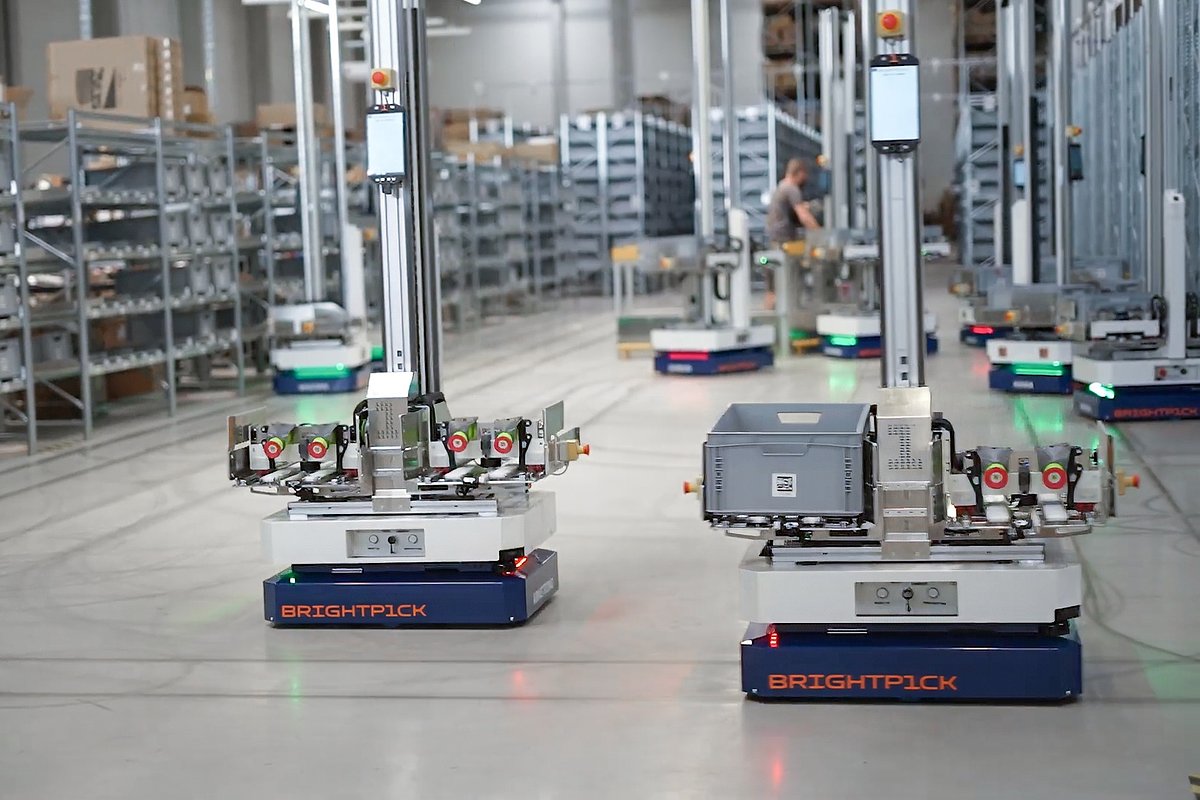
Robots Under the Hood: NAPA Deploys AI to Overhaul Auto Parts Logistics
AUSTIN, Texas – February 18, 2026 – In a significant move signaling the accelerating pace of automation in legacy industries, automotive parts giant NAPA has entered a strategic partnership with AI robotics provider Brightpick. The deal will see more than 100 of Brightpick’s autonomous robots deployed across NAPA’s distribution centers, marking a major technological leap for the auto parts supplier and a landmark entry into the automotive sector for Brightpick.
The collaboration, which follows a successful pilot project initiated in 2025, represents Brightpick’s largest U.S. customer to date and aims to dramatically enhance the speed and efficiency of NAPA's vast supply chain, which services nearly 6,000 stores nationwide. The first deployment under the new agreement is already underway at a key distribution site, with the potential for further expansion across NAPA's network.
“Our partnership with NAPA is a huge milestone as it marks our first customer in the automotive sector and largest U.S. customer to date,” said Jan Zizka, co-founder and CEO of Brightpick. “This demonstrates our ability to easily scale our automation solutions with large enterprise customers – including Fortune 500 companies like NAPA – in multiple locations.”
For NAPA, a member of the Genuine Parts Company, the investment is a strategic imperative to maintain its leadership in an increasingly demanding market. “This collaboration supports our goal of continuously improving how we serve our customers,” stated Justin Ducharme, EVP of Distribution and Logistics at NAPA. “Brightpick’s expertise in warehouse automation will help optimize our store network’s handling, replenishment, and overall performance to support the growing demand for fast and reliable auto parts delivery.”
A New Engine for a Complex Supply Chain
The automotive aftermarket is one of the most complex logistical puzzles in modern commerce. Distribution centers like NAPA’s must manage a staggering diversity of stock-keeping units (SKUs)—over 560,000 unique parts ranging from tiny screws and sensors to bulky bumpers and exhaust systems. The challenge is not just storing this vast inventory, but picking items accurately and dispatching them with extreme speed.
Professional repair shops and do-it-yourself enthusiasts depend on rapid parts availability to minimize vehicle downtime. This expectation for same-day or next-day delivery puts immense pressure on warehouse operations. Compounding this pressure are persistent labor shortages across the logistics industry, making it difficult to staff warehouses for physically demanding, repetitive picking tasks.
It is within this high-pressure environment that advanced automation becomes less of a luxury and more of a necessity. While conveyors and basic material handling systems have been in place for years, the leap to intelligent, AI-powered robotics represents a fundamental shift in strategy. By automating core fulfillment processes, NAPA aims to increase its operational throughput, reduce picking errors, and build a more resilient and scalable supply chain that can adapt to unpredictable spikes in demand.
Inside the Robotic Revolution
The technology at the heart of this transformation is Brightpick’s fleet of autonomous mobile robots (AMRs). These are not simply automated carts that follow a pre-defined path. Brightpick’s robots are sophisticated “goods-to-person” systems that use a combination of 3D vision, LiDAR, and artificial intelligence to navigate the warehouse, identify correct storage totes, and retrieve them for human operators.
Once an order is received, the system dispatches the nearest available robot to locate the required items. The robot autonomously retrieves the correct tote from standard warehouse shelving and transports it to a picking station. There, a human employee can efficiently pick the necessary parts for multiple orders without walking miles of aisles each day. The system also automates consolidation, buffering, and stock replenishment, creating a seamless flow from inventory receipt to final dispatch.
Crucially, Brightpick's solution is designed to be deployed in existing warehouse environments within weeks, minimizing the need for costly and disruptive structural overhauls. This ability to integrate with standard infrastructure is a key advantage for established companies like NAPA, allowing for a phased and scalable rollout of automation across a diverse network of facilities.
The Strategic Race for Market Advantage
This partnership is about more than just operational efficiency; it's a calculated move in the competitive chess match of the automotive aftermarket. By investing heavily in cutting-edge robotics, NAPA, a subsidiary of the $17.5 billion Genuine Parts Company, aims to solidify its market position against formidable rivals like AutoZone, Advance Auto Parts, and O'Reilly Auto Parts, all of which are pursuing their own logistics optimization strategies.
A more efficient supply chain translates directly into a stronger competitive edge. Faster, more accurate order fulfillment enhances customer satisfaction and loyalty. Lower operational costs can improve profit margins or be passed on as competitive pricing. The ability to scale operations up or down with robotic flexibility allows NAPA to better manage seasonal demand and support its growing e-commerce channel.
For Brightpick, the deal is a resounding validation of its technology and a strategic coup. Having already proven its capabilities in the fast-paced e-grocery and retail sectors, breaking into the complex and demanding automotive industry demonstrates the versatility and power of its platform. This successful entry positions Brightpick as a formidable competitor to other warehouse automation providers and opens up a vast new market for its AI-powered solutions.
The Shifting Gears of the Warehouse Workforce
The deployment of over 100 robots inevitably raises questions about the impact on the human workforce. While automation will reduce the need for manual labor in certain repetitive tasks, particularly order picking, the narrative is one of transformation rather than simple replacement.
The introduction of robotics creates a demand for a new set of skills. Warehouse jobs will evolve away from physically strenuous, manual tasks and toward more technical and strategic roles. NAPA will need employees to function as robot operators, maintenance technicians, and data analysts who can monitor system performance and optimize automated workflows. These roles often come with higher pay and a greater emphasis on problem-solving and technical acumen.
This shift represents the rise of human-robot collaboration. Robots will handle the exhausting and repetitive work of moving goods across the warehouse, freeing human workers to focus on more complex tasks like quality control, packing delicate items, and managing customer exceptions. This collaborative model not only increases overall productivity but also promises a safer work environment by reducing the physical strain and risk of injury associated with traditional warehouse work.
The partnership between NAPA and Brightpick is a clear indicator of a broader industrial trend. As AI and robotics mature, they are becoming indispensable tools for optimizing complex, real-world operations. This move is not just about moving auto parts faster; it’s about building the resilient, efficient, and technologically advanced supply chains that will power the future of commerce.