
- 45% cost reduction: Gynecologic procedures at Innovations Surgery Center are 45% less expensive than in hospital outpatient departments, saving patients up to $2,000 or more. - $3,000+ cost difference: Independent research shows facility fees at hospitals are often more than double those at ASCs for common procedures. - First in region: Innovations Surgery Center is the first ambulatory surgery center in the Mid-Atlantic to offer robotic-assisted gynecologic surgery.
Experts agree that this shift to outpatient robotic surgery represents a significant advancement in women's healthcare, offering cost savings and improved patient outcomes while emphasizing the importance of proper patient selection and evidence-based practice.
Robotic Surgery Moves to Outpatient Centers, Slashing GYN Care Costs
ROCKVILLE, Md. – January 14, 2026 – A groundbreaking shift in surgical care is underway in the Mid-Atlantic as Innovations Surgery Center (ISC) becomes the first ambulatory surgery center (ASC) in the region to offer robotic-assisted gynecologic surgery. The move signals a major disruption to the traditional hospital-centric model, promising to make advanced, minimally invasive procedures more accessible, affordable, and patient-friendly.
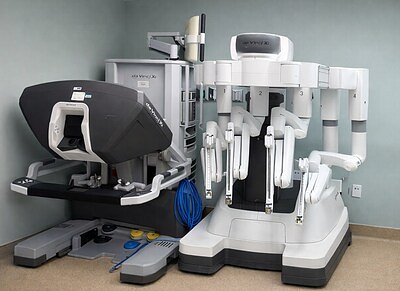
Beginning this year, the Rockville-based facility will utilize the da Vinci Xi surgical system to perform complex gynecologic operations in an outpatient setting. This development challenges the long-held notion that sophisticated robotic technology must be confined to large, inpatient hospital systems, paving the way for a new standard in women's healthcare delivery that prioritizes value and patient experience.
A New Frontier for Advanced Surgery
For years, robotic-assisted surgery has been a hallmark of major hospitals, celebrated for enhancing a surgeon's precision, vision, and control during complex procedures. However, this access often came with significant institutional overhead, scheduling bottlenecks, and higher costs. Innovations Surgery Center is breaking that mold by integrating this technology into a specialized outpatient environment.
This initiative specifically targets complex gynecologic conditions such as advanced endometriosis, uterine fibroids, adenomyosis, and complex or re-operative hysterectomies. By using the da Vinci platform, surgeons can perform intricate, multi-quadrant procedures through tiny incisions, a task that might otherwise require more invasive open surgery. The result for appropriate patients is a host of well-documented benefits: reduced blood loss, less postoperative pain, shorter recovery times, and a quicker return to normal life.
While numerous hospitals in the Mid-Atlantic offer robotic surgery, ISC’s claim to be the first ambulatory surgery center in the region to provide it specifically for gynecology appears to mark a significant milestone. It represents a deliberate strategy to decouple advanced technology from the high-cost structure of hospital outpatient departments, a move that could set a precedent for other ASCs nationwide.
The Economic Shift: Slashing Costs for Patients and Payers
A primary driver of this outpatient revolution is the potential for dramatic cost savings. According to Innovations Surgery Center, gynecologic procedures performed in their ASC setting are, on average, 45% less expensive than identical procedures in a hospital outpatient department. This can translate into direct patient savings of $2,000 or more, depending on the surgery and the patient's insurance plan.
Independent research strongly supports this trend. A 2024 study revealed that privately negotiated facility fees at hospitals are often more than double those at ASCs for common procedures, with the average cost difference exceeding $3,000. These savings stem from the fundamental design of an ASC: lower overhead, a streamlined workflow focused exclusively on surgery, and the elimination of costs associated with overnight inpatient stays. For patients, particularly those with high-deductible health plans, the financial relief can be substantial.
This cost-effective model is also attractive to insurance providers, who are increasingly incentivized to direct patients toward high-quality, lower-cost care settings. By demonstrating comparable or improved outcomes at a fraction of the price, ASCs present a compelling case in the ongoing shift toward value-based healthcare, where payment is tied to results rather than the volume of services rendered.
Balancing Technology with Patient-Centered Outcomes
While the technology is impressive, leaders at the center emphasize that the robot is a tool, not the main event. The true goal is to improve patient care by combining expert surgical skill with the best available technology in the most appropriate setting.
"The goal of placing a robot in an ambulatory surgery center is to bring expert surgeons and patients together in a setting that improves outcomes while reducing unnecessary cost," said Natalya Danilyants, MD, FACOG, Surgeon and Medical Director at Innovations Surgery Center. "This model allows us to expand access to advanced minimally invasive surgery while maintaining the efficiency, focus, and patient experience that outpatient surgery centers are designed to deliver."
This focus on outcomes is critical. Professional organizations like the American College of Obstetricians and Gynecologists (ACOG) have long advocated for a measured approach to new technology. While ACOG acknowledges the clear benefits of minimally invasive surgery over traditional open surgery, it has also noted a lack of high-quality evidence proving robotic-assisted laparoscopy is superior to conventional laparoscopy for all benign gynecologic conditions. Therefore, proper patient selection and a thorough discussion of all surgical options remain paramount.
By placing the technology in the hands of fellowship-trained, high-volume specialists, the model at ISC aims to ensure that the robot is used for cases where it offers a distinct advantage, aligning with best practices and a patient-first philosophy.
Empowering Surgeons and Overcoming Barriers
The move to ASC-based robotics also represents a significant evolution for surgeons. It offers an escape from the scheduling constraints and administrative burdens often associated with large hospital systems, providing greater clinical autonomy and operational efficiency. In an environment purpose-built for surgery, specialists can perform at the top of their license, focusing on precision and patient care without unnecessary distractions.
Historically, the high capital cost of robotic systems—which can range from $1 million to $2.5 million per unit, plus significant per-procedure fees—has been a major barrier to adoption in ASCs. However, new business models and platforms like Visionary ASC, which operates Innovations Surgery Center, are changing the financial calculus. By creating a structure focused on value-based principles, these organizations provide the infrastructure and support for surgeons to leverage advanced technology in a financially sustainable outpatient model.
This shift empowers surgeons to deliver complex care in a setting that aligns clinical decision-making with efficiency and value. The introduction of robotics at Innovations Surgery Center is less about a single piece of equipment and more about a comprehensive new model for delivering specialized surgical care. It reflects a broader trend in American medicine, moving complex procedures safely and effectively out of the hospital and into more focused, cost-efficient environments, ultimately expanding access for patients who need it most.