
- First in NC: North Carolina Specialty Hospital (NCSH) is the first facility in the state to offer robotic-assisted shoulder replacement surgery using Mako SmartRobotics™.
- 1.5M Procedures: Mako technology has been used in over 1.5 million hip and knee procedures globally, providing a strong foundation for its application in shoulder surgery.
- 2025 LMR Phase: The technology is currently in a Limited Market Release (LMR) phase across the United States, with NCSH leading adoption in North Carolina.
Experts view the adoption of Mako SmartRobotics™ for shoulder surgery as a significant advancement in orthopedic medicine, offering improved precision, personalized planning, and potentially better patient outcomes through AI-driven and robotic-assisted procedures.
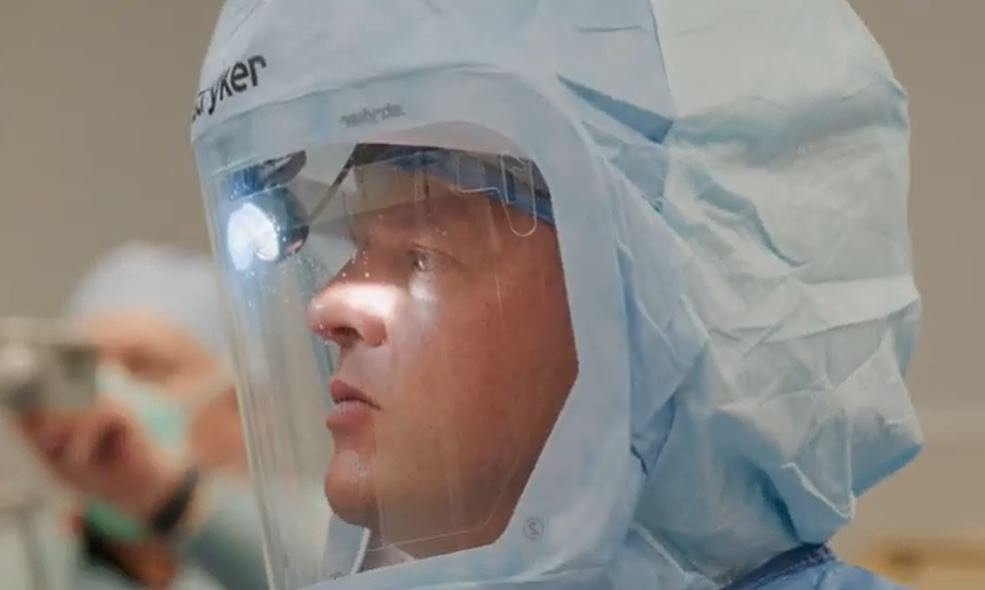
Robotic Precision: A New Era for Shoulder Surgery Arrives in NC
DURHAM, NC – December 09, 2025 – In a significant step forward for orthopedic medicine in the Southeast, North Carolina Specialty Hospital (NCSH) has become the first facility in the state to offer shoulder replacement surgery guided by Mako SmartRobotics™. The move, made in partnership with the surgeons of EmergeOrtho, brings an advanced level of AI-powered planning and robotic precision to one of the most complex joints in the human body, signaling a shift from generalized procedures to hyper-personalized surgical solutions.
The technology is currently in a Limited Market Release (LMR) phase across the United States, positioning NCSH at the forefront of orthopedic innovation. While robotic assistance has become increasingly common in hip and knee replacements over the past decade, its application in the intricate anatomy of the shoulder is a more recent, and arguably more complex, frontier. This implementation offers patients in the Triangle Region access to a technology designed to improve outcomes by fundamentally changing how surgeons plan and execute reverse shoulder arthroplasty.
The Blueprint for a Better Shoulder
At the heart of the Mako system is a fusion of advanced imaging, artificial intelligence, and tactile robotic guidance. The process begins long before the patient enters the operating room. A CT scan is used to generate a precise 3D digital model of the patient's unique shoulder anatomy. This model serves as a dynamic blueprint, allowing the surgeon to use specialized software to map out the entire procedure with meticulous detail.
Within this virtual environment, the surgeon can determine the optimal size, orientation, and placement of the implant components to match the patient’s specific anatomical needs. This preoperative planning phase is critical, as it transforms the surgery from a reactive procedure into the execution of a data-driven, personalized plan. The goal is to eliminate guesswork and optimize the mechanics of the new joint before a single incision is made.
Once in the operating room, the surgeon guides the Mako robotic arm to perform the bone preparation. This is where the system’s proprietary AccuStop™ haptic technology becomes indispensable. AccuStop™ creates invisible, tactile boundaries based on the preoperative plan. If the surgeon approaches the edge of the planned surgical area, the system provides haptic feedback, resisting movement beyond the boundary. This acts as a set of digital guardrails, helping to ensure that only the targeted bone is removed while preserving surrounding healthy bone and protecting delicate soft tissues like nerves and blood vessels.
"For me, the [Mako system] improves both our accuracy and our precision in placing the implants," stated Dr. Lucas Romine, a Board-Certified Orthopedic Surgeon at EmergeOrtho and NCSH, in the initial announcement. "We can execute a plan preoperatively using our three-dimensional software, and then guarantee that plan gets implemented at the time of surgery—eliminating the possibility of misplacing or malpositioning any of the components."
Implementation and the Competitive Landscape
The arrival of Mako Shoulder at NCSH is a calculated strategic move. By securing access during the LMR period, which runs through 2025 ahead of a full market release, the physician-owned hospital solidifies its reputation as a regional leader in advanced orthopedic care. This early adoption provides a distinct competitive advantage in a healthcare market increasingly focused on technological differentiation and superior patient outcomes.
While NCSH is the first in North Carolina to deploy the Mako Shoulder application, it enters a competitive field. Other robotic platforms, such as Zimmer Biomet's ROSA system, have also received FDA clearance for shoulder procedures. These systems, while sharing the goal of improved accuracy, employ different methodologies. Mako is distinguished by its bone-sculpting capability guided by haptic boundaries, whereas others may focus on positioning guides for the surgeon to perform cuts manually. This distinction highlights a dynamic and innovative market where different philosophical and engineering approaches are being pursued to solve the same clinical challenges.
The implementation of such a system is not trivial. It requires significant capital investment, specialized training for surgeons and operating room staff, and a complete rethinking of the surgical workflow. However, the potential return on this investment lies in enhancing surgical consistency and reducing the variability that can lead to suboptimal outcomes. For surgeons, the technology provides a powerful tool to augment their skill, offering a level of control and predictability that is difficult to achieve with purely manual techniques.
The Patient Equation: Access, Cost, and Recovery
For patients suffering from debilitating shoulder arthritis and rotator cuff damage, the primary question is what this technology means for their quality of life. The promise of robotic-assisted shoulder surgery lies in its potential to deliver more predictable and durable results. By optimizing implant placement and alignment, the procedure aims to restore a greater range of motion, provide better long-term stability, and reduce the risk of complications such as implant loosening or instability.
The precision afforded by haptic-guided bone preparation may also lead to less tissue trauma, potentially translating into reduced postoperative pain and a faster recovery timeline. While long-term clinical data specific to Mako Shoulder is still being aggregated due to its recent introduction, the extensive track record of Mako in over 1.5 million hip and knee procedures globally provides a strong foundation for these anticipated benefits.
Of course, access and cost are critical components of the implementation story. The high acquisition and operational costs of robotic systems are a major consideration for healthcare systems. However, these procedures are generally covered by major insurance providers, including Medicare, when deemed medically necessary. For the patient, out-of-pocket costs are typically dictated by their individual insurance plan's deductibles and coinsurance, similar to traditional surgery. From a system-wide perspective, the investment in robotics is often justified by the potential for reduced complication rates and revisions, which are not only better for patients but are also significant drivers of long-term healthcare costs.
As this technology becomes more established, it represents a new standard of care for complex joint replacements. The integration of AI-driven planning and robotic execution is no longer a futuristic concept but a present-day reality, offering a new horizon of hope for patients and pushing the boundaries of what is possible in modern orthopedic surgery.