
- $1.8 billion: Projected market value of companion robots by 2033, up from $539 million in 2024. - 23,000+ pre-orders: Demand for Tombot's robotic dog Jennie across 100+ countries. - 50%+ improvement: Robotic pets enhanced mood in over half of dementia patients in a 2021 study.
Experts agree that robotic companions like Jennie show significant therapeutic potential for mental health and dementia care, though ethical concerns about emotional reliance and data privacy remain.
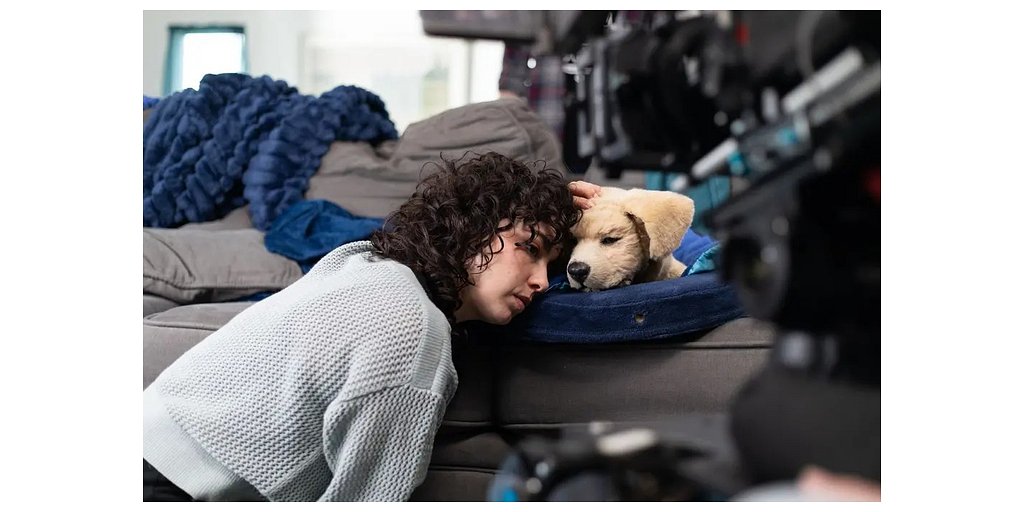
Robotic Dog Stars in Film, Spotlighting AI's Healing Potential
SANTA CLARITA, CA – April 28, 2026 – A lifelike robotic puppy named Jennie has moved from the workshop to the silver screen, making a poignant debut in the new short film “Walkies.” Premiering at the Pasadena International Film Festival earlier this month, the film explores the quiet struggles of depression and anxiety, positioning its non-human star not as a futuristic gadget, but as a catalyst for healing and human connection. The film’s release brings a narrative focus to a rapidly growing field: the use of empathetic AI to combat loneliness and support mental wellbeing.
The robotic star, Jennie, is the flagship product of Tombot, a California-based company specializing in robotic animals. In “Walkies,” the robot, named Luno, becomes a companion to Esther, a young woman isolated by her mental health challenges. The film, directed by Roe Moore, illustrates how the non-judgmental presence of a robotic pet can provide the comfort and routine needed to take the first small steps toward reconnecting with the world.
“With Walkies, I wanted to tell a story highlighting an often overlooked version of depression where someone appears functional but feels disconnected underneath,” director Roe Moore said. “Jennie was a great discovery for us because she made the story feel real instead of conceptual. Her quiet, lifelike presence brought an authenticity we couldn’t replicate any other way.”
A New Co-Star for Human Connection
In the film, Esther’s interactions with Luno are subtle but transformative. The responsibility of taking the robotic dog for “walks” gently pushes her out of her home, creating opportunities for small, positive encounters with her surroundings and neighbors. This narrative arc mirrors the intended purpose of Tombot’s creation, which was designed to provide the therapeutic benefits of a live animal without the demanding care requirements.
Lead actress Mariana Aroxa found the experience of acting opposite the robot profound. “Jennie showed me, as an actor, the power of connection from a safe space I did not know was possible through technology,” she stated. “She immersed me in a heart-warming space as the character in a way that went beyond the story I was called to tell. She brought me home in more ways than I could have imagined.”
The robot’s design, which mimics the look, feel, and autonomous behaviors of an 8-10 week-old Labrador puppy, is the result of a collaboration with Jim Henson's Creature Shop, a name synonymous with lifelike animatronics. This commitment to realism is central to fostering the bond depicted in the film.
“The film beautifully captures what we strive for every day: empowering people to reconnect with the world around them, one small step at a time,” said Tombot’s CEO Tom Stevens. He explained that Jennie was developed to provide comfort to individuals facing a range of cognitive and emotional health challenges, including dementia, anxiety, and PTSD.
The Science of Synthetic Companionship
While “Walkies” offers a compelling fictional story, its premise is grounded in a growing body of scientific research validating the therapeutic benefits of robotic companions. For years, healthcare providers have observed the positive impact of these devices, particularly in elder care. A 2021 study from Florida Atlantic University found that interacting with a robotic cat improved mood in over half of its participants with dementia, with noticeable gains in attention and language.
These findings are not isolated. The U.S. Department of Veterans Affairs has successfully used robotic pets to bring comfort and connection to veterans suffering from memory loss and depression. Similar results have been seen with PARO, a robotic seal and FDA-approved biofeedback device, which studies have shown can decrease stress, reduce the need for certain medications, and improve sociability among older adults with dementia.
More recently, a 2026 study at Sarasota Memorial Hospital found that robotic pets made hospitalized dementia patients feel safer and more engaged, correlating with reduced fall risks and shorter hospital stays. The consistent theme across this research is that for individuals who cannot care for a live animal due to allergies, mobility issues, or cognitive decline, a robotic companion can fill a critical void, offering non-judgmental affection and reducing feelings of profound loneliness.
The Burgeoning Business of Empathetic AI
Behind the heartwarming stories and promising clinical results lies a rapidly expanding market. The global companion robots market, valued at over $539 million in 2024, is projected to surge to more than $1.8 billion by 2033. This growth is fueled by aging populations worldwide, rising awareness of mental health, and significant advancements in AI and robotics.
Tombot, founded in 2017, is positioning itself as a key player in this space. The company has successfully raised $6.79 million in funding, including a recent $6.1 million Series A round led by Caduceus Capital Partners, a venture capital firm specializing in digital health. With over 23,000 pre-orders and waitlist customers from more than 100 countries, the demand for Jennie is already substantial.
What sets Tombot apart in a competitive landscape that includes products like Sony’s Aibo and Softbank’s Pepper is its strategic focus on the medical field. The company is actively working to have Jennie recognized by the FDA as a regulated medical device. This classification could make the robotic puppy eligible for insurance reimbursement, dramatically increasing its accessibility for patients and positioning it not just as a consumer gadget, but as a prescribed therapeutic tool.
Navigating the Ethical Frontier
As empathetic machines like Jennie become more integrated into our lives, they bring a host of complex ethical considerations to the forefront. The concept of “compassionate AI” aims to ensure these technologies alleviate suffering, but it also raises questions about the nature of the connections they foster. Critics and ethicists voice concerns about the potential for emotional over-reliance on machines, which could distance users from authentic human relationships.
Privacy is another significant concern. Equipped with microphones, cameras, and sensors to enable their realistic interactivity, these companions collect vast amounts of data about their users and their environments. How this data is stored, protected, and used is a critical issue that the industry is still grappling with, as legal and regulatory frameworks struggle to keep pace with technological innovation.
Furthermore, there is an ongoing debate about authenticity. Can an AI that simulates compassion by recognizing patterns truly provide the same benefits as a living being? While research confirms measurable positive outcomes like reduced agitation and loneliness, the philosophical question of whether a programmed response can replace the unpredictable magic of a genuine human-animal bond remains. As films like “Walkies” bring these companions into the cultural spotlight, they move the conversation from academic circles to the public square, forcing society to weigh the tangible benefits against these profound ethical questions.