
- 500+ patents: RoboCT holds a robust intellectual property portfolio, reinforcing its technological leadership.
- NMPA certification: The company's medical-grade exoskeletons are among the first in China to receive this critical credential for neurological rehabilitation.
- CES 2026: The announcement marks a strategic shift from medical devices to a broader human mobility ecosystem.
Experts view RoboCT's pivot as a bold but high-stakes transition from medical innovation to mass-market human augmentation, requiring navigation of logistical, ethical, and regulatory challenges to succeed.
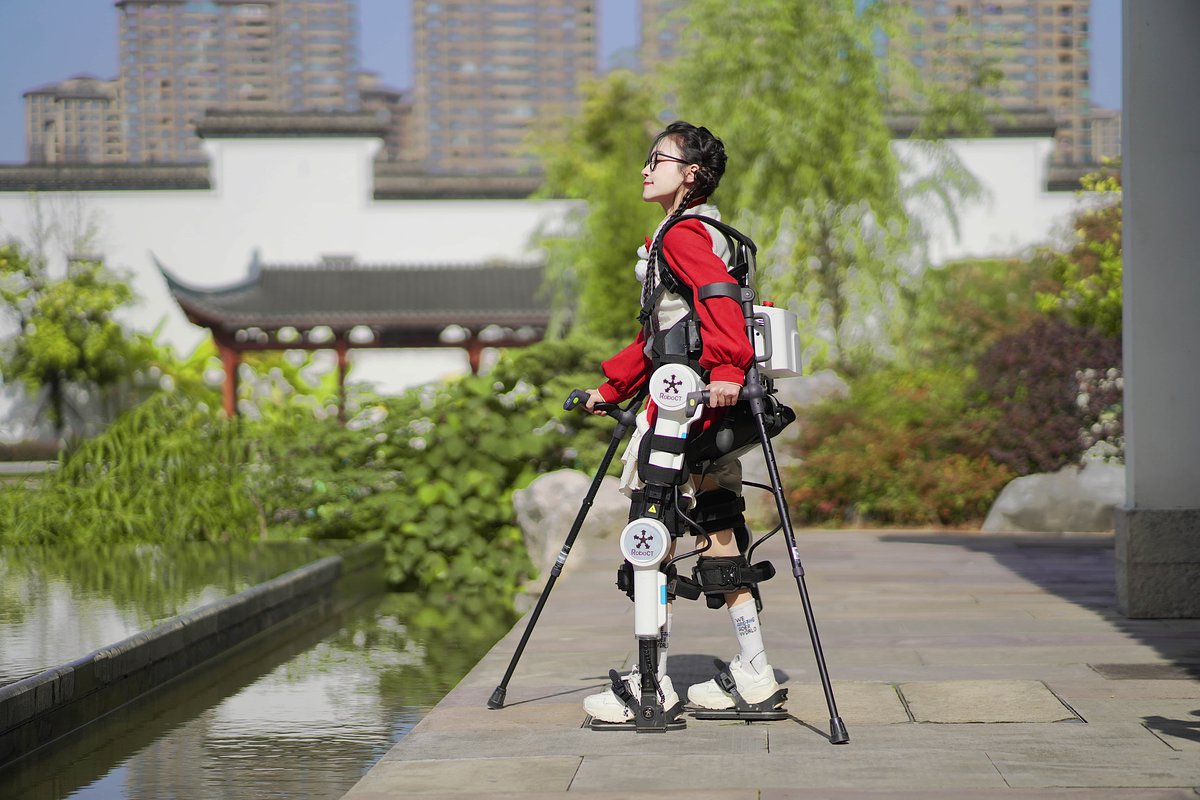
RoboCT's 'New Organ' Vision: From Rehab to Human Augmentation
LAS VEGAS, NV – January 09, 2026 – Amidst the dazzling displays of consumer gadgets at CES 2026, Chinese robotics leader RoboCT has articulated a vision that extends far beyond the next smart device. The company is leveraging its deep expertise in medical-grade exoskeletons to launch a strategic pivot, aiming to build a comprehensive mobility ecosystem that could one day redefine the boundaries between human and machine.
At the heart of its announcement is a dual strategy: a disruptive “Rehabilitation-as-a-Service” (RaaS) model designed to democratize physical recovery, and a bold long-term vision of exoskeletons as augmentative “new organs” for the general population. This move signals a transition from a specialized medical innovator to a potential mass-market powerhouse in human mobility.
"CES marks our strategic transition from a focused medical device innovator to an enabler of human mobility across the lifespan and scenarios," stated Dr. WANG Tian, Founder and CEO of RoboCT. "We are showcasing not just the GoGo product line, but an integrated system where hardware, data, and professional services converge to deliver continuous, personalized support from hospital to home."
Rehab Reinvented: The 'Rehabilitation-as-a-Service' Gamble
RoboCT's most immediate and potentially disruptive innovation is its RaaS platform. The model aims to dismantle the physical walls of traditional rehabilitation clinics by integrating its exoskeleton devices with a sophisticated cloud-based intelligence center. This digital framework enables real-time data monitoring from the device, remote oversight by certified therapists, and AI-driven adjustments to a patient's training program.
The concept addresses a critical gap in healthcare: the abrupt end of professional support once a patient leaves the hospital. By creating a digital continuum of care, RoboCT proposes a system where professional-grade recovery can extend seamlessly into community and home settings. This approach aligns with the broader digital health trend toward telerehabilitation, a field that saw accelerated adoption in recent years and has been championed by service platforms like Teladoc and Omada Health for chronic condition management.
However, the path to a successful RaaS model is fraught with challenges. While the underlying cloud and AI technologies are mature, the logistical hurdles are formidable. A service-based model requires a robust infrastructure for distributing, fitting, and maintaining complex hardware in users' homes. Furthermore, ensuring widespread adoption requires extensive training for a new generation of remote therapists and designing user interfaces intuitive enough to maintain patient engagement outside a clinical environment. Regulatory compliance, particularly concerning remote medical device use and the secure handling of sensitive patient data under rules like HIPAA and GDPR, presents another significant layer of complexity that must be navigated for a global rollout.
From Medical Aid to 'New Organ': A 'Human+' Future?
Beyond the immediate healthcare applications, RoboCT captured attention at CES with its futuristic “Human+” vision. The company envisions a world where exoskeleton technology, through relentless miniaturization and enhanced intelligence, becomes a seamless, low-risk enhancement to human capability—an intuitive “new organ” for the modern era.
This concept moves the exoskeleton out of the clinic and into daily life. The company showcased prototypes of its consumer-focused “GoGo series,” lightweight exoskeletons designed for a variety of non-medical applications. These include providing stability and endurance for active seniors, preventing injury for workers in physically demanding jobs, and enhancing performance for outdoor recreation enthusiasts. This expansion targets a nascent but rapidly growing consumer exoskeleton market, driven by an aging global population seeking to maintain independence and a wider interest in performance enhancement and industrial safety.
This ambitious leap, however, pushes the conversation into complex ethical territory. The idea of a 'new organ' blurs the line between therapy and human enhancement, raising questions about social equity and accessibility. Experts caution that as these technologies become more powerful, society will need to grapple with defining the boundaries of human augmentation and establishing regulatory frameworks that go beyond traditional medical device oversight. Ensuring the long-term physical and psychological safety of continuous human-exoskeleton integration will be paramount for gaining public trust and acceptance.
China's Robotics Leap: Strategy and Scale
RoboCT's strategic pivot is emblematic of a larger trend of Chinese technology firms leveraging domestic success to pursue global leadership. The company is not a newcomer building on hype; its ambitions are anchored in a formidable foundation of medical and technological achievement. Its medical-grade exoskeletons are among the first in China to receive NMPA certification for neurological rehabilitation, a critical credential that lends credibility to its consumer-facing products.
This credibility is further bolstered by a robust intellectual property portfolio of over 500 patents and a leadership role in shaping national and industry standards for exoskeleton robots in China. This positions RoboCT not just as a manufacturer but as an influential architect of the industry's future. In a competitive global market populated by established players like Ekso Bionics, ReWalk Robotics, and industrial specialist Sarcos Robotics, RoboCT’s strategy of creating a single, integrated ecosystem from medical to consumer is a key differentiator.
Executing this vision requires massive scale, a challenge the company is addressing head-on with a new, highly automated manufacturing base in Wuxi. This facility is purpose-built to transition from low-volume, high-cost medical device production to the high-volume, cost-efficient manufacturing required for consumer electronics. By leveraging smart manufacturing and economies of scale, RoboCT aims to solve one of the biggest barriers to mass adoption: price. The success of this facility will be the ultimate test of whether the company can transform its ambitious “Human+” vision from a CES showcase into a tangible and accessible reality for millions worldwide.