
- 400 miles of historic salmon habitat reopened
- 2,350 dams removed in the U.S. since 1912, with the Klamath project being the largest
- 80% increase in Chinook salmon populations predicted within three decades
Experts agree that the Klamath River Renewal Project represents a landmark achievement in environmental engineering and collaborative restoration, demonstrating how multi-stakeholder efforts—particularly those led by Indigenous communities—can overcome complex ecological challenges and set a global standard for dam removal and river restoration.
River Reborn: Klamath Project Wins Top US Engineering Award
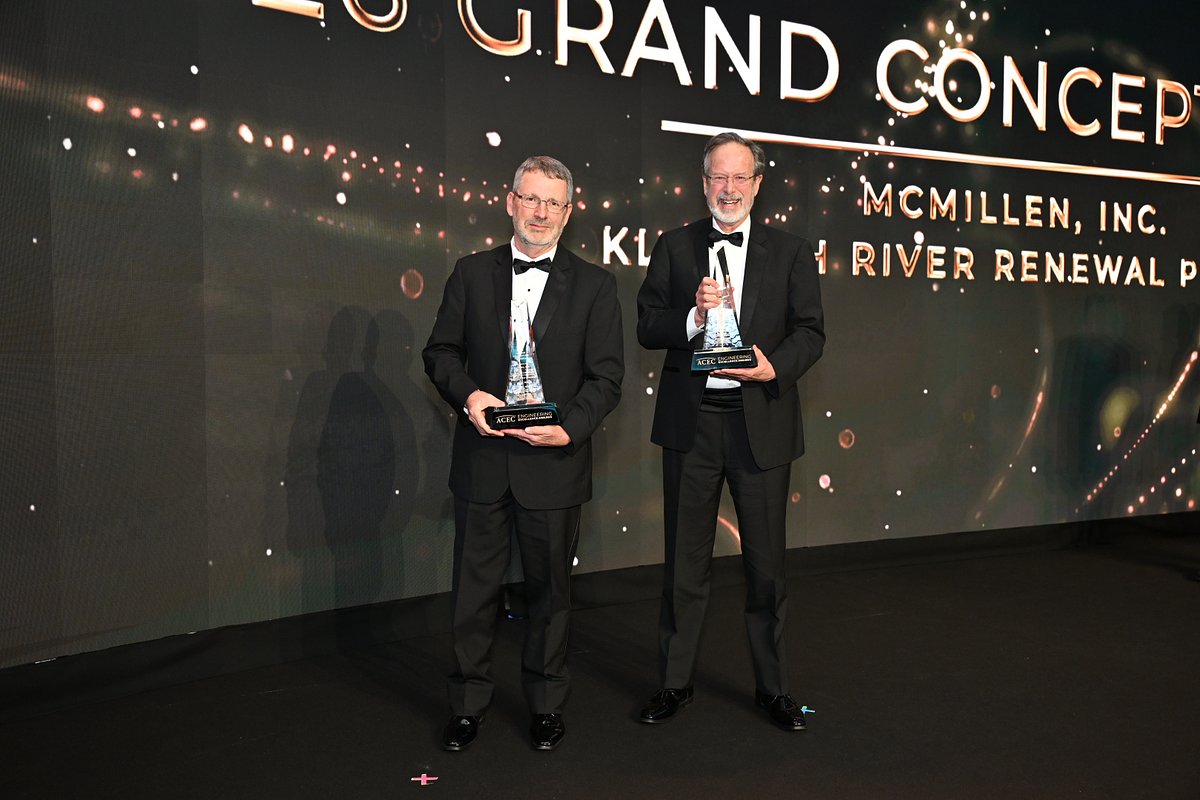
WASHINGTON, D.C. – May 06, 2026 – The American Council of Engineering Companies (ACEC) bestowed its highest honor, the Grand Conceptor award, upon Boise-based McMillen, Inc. for its pivotal role in the Klamath River Renewal Project. Announced at the annual Engineering Excellence Awards gala, the award recognizes the unprecedented effort to remove four dams and restore one of the West Coast's most significant river systems, marking a monumental achievement in environmental engineering and collaborative restoration.
The project, spanning from Klamath Falls, Ore., to Hornbrook, Calif., is the largest dam removal and river restoration in world history. It has successfully reopened over 400 miles of historic salmon habitat that had been blocked for more than a century, reconnecting a vital artery for both wildlife and the region's Indigenous peoples.
A River Reclaimed, An Industry's Highest Honor
Winning the Grand Conceptor award places the Klamath project at the pinnacle of engineering achievement for the year. A national panel of 32 judges selected the project based on its uniqueness, technical innovation, and profound social and economic value. The award validates not only the complex technical solutions employed but also the project's success in generating excitement and a new sense of purpose within the engineering profession.
McMillen, Inc. served as the owner’s representative for the Klamath River Renewal Corporation (KRRC), the non-profit entity created to oversee the massive undertaking. In this capacity, the firm provided critical technical expertise and, perhaps more importantly, acted as a facilitator among a diverse coalition of more than 40 partner organizations. Their work involved translating competing interests and complex scientific data into a unified, executable strategy.
"Through precision engineering and innovative environmental design, the project is already delivering results beyond expectations," noted an ACEC representative in the original announcement. This success is a testament to a collaborative model that balanced technical requirements with deep ecological and cultural considerations.
The Heart of the Project: Decades of Indigenous Advocacy
While the engineering is now being celebrated, the project's origins lie in more than two decades of tireless advocacy from the Hoopa, Karuk, Yurok, Shasta, Klamath, and Modoc Tribes. For these communities, the Klamath River is their lifeblood, and the return of the salmon is fundamental to their culture, sustenance, and identity.
The construction of the four hydroelectric dams—J.C. Boyle, Copco No. 1, Copco No. 2, and Iron Gate—between 1918 and 1964 severed the river and the tribes' connection to it. Lacking fish ladders, the dams blocked salmon from reaching their ancestral spawning grounds, causing populations to plummet. The stagnant reservoirs created behind the dams fostered poor water quality, high temperatures, and toxic blue-green algae blooms, leading to catastrophic fish kills and directly impacting the health of tribal members who rely on the river's bounty.
Tribal leaders fought for years, combining Indigenous traditional ecological knowledge with Western science to build an undeniable case against the dams. Their persistent activism and strategic negotiations, which included direct appeals to dam owner PacifiCorp, ultimately led to the landmark agreement to remove the structures. For these communities, the dam removal is a historic victory for environmental justice and a crucial step toward restoring their federally recognized rights and cultural heritage.
Engineering a Free-Flowing Future
The technical challenges of the Klamath renewal were immense. A primary concern was managing the millions of cubic yards of sediment that had accumulated behind the dams over decades. Rather than undertaking a costly and disruptive dredging operation, the engineering plan adopted an innovative approach: letting the river do the work. The drawdown of the reservoirs and removal of the dams were carefully timed to allow the river's own power to flush the sediment downstream in a controlled manner.
This strategy, while causing temporary increases in turbidity, was designed to mimic natural processes and rebuild downstream habitat. McMillen's role was central to navigating these complex technical decisions, facilitating workshops and technical working groups to ensure all voices—from tribal biologists to federal regulators—were incorporated into the final plan. This collaborative approach was instrumental in overcoming decades of division and delivering a successful blueprint for the river's restoration.
The physical removal began with the smallest dam, Copco No. 2, in 2023. By early 2024, the reservoirs behind the remaining three dams were drained, and the river began flowing through its historic channel for the first time in generations. The massive undertaking is now focused on removing the remaining dam infrastructure and continuing extensive watershed restoration efforts that will last for years.
A Cascade of Ecological and Economic Benefits
Less than two years after the main dam removal phase began, the ecological response has been swift and stunning. In a powerful sign of revival, thousands of Chinook salmon have been documented pushing deep into the newly accessible habitat. Monitoring programs, which involve a coalition of tribal, state, and federal partners, have tracked fish more than 360 miles from the ocean, spawning in tributaries that have not seen them in over a century.
The river's water quality is also improving. Cooler temperatures are allowing salmon to migrate more efficiently, and the elimination of the stagnant reservoirs has eradicated the toxic algae blooms that once plagued the system. This ecological rebirth is attracting a host of wildlife, with increased sightings of bald eagles, otters, beavers, and bears along the restored river corridor.
Beyond the ecological gains, the project is poised to deliver significant economic benefits. Models predict a potential 80% increase in Chinook salmon populations within three decades, which could boost the ocean harvest by nearly 50%. The free-flowing river is also expected to create new recreational opportunities for fishing and boating, bolstering local economies and providing a foundation for sustainable regional development.
A Blueprint for Global Restoration
The Klamath River Renewal Project is more than a singular success; it serves as a powerful new blueprint for large-scale environmental restoration efforts worldwide. It joins a growing movement, with over 2,350 dams removed in the United States since 1912, and sets a new standard for what is possible.
The project's greatest legacy may be its demonstration that immense ecological challenges can be overcome through multi-stakeholder collaboration, especially when guided by the leadership and stewardship of Indigenous communities. The lessons learned on the Klamath—in community engagement, policy, and science—are already informing and inspiring similar movements, including efforts to breach dams on the Snake River.
As the waters of the Klamath continue to carve their old path to the sea, the project stands as a powerful symbol of hope. The free-flowing Klamath is not just a restored waterway; it is a living monument to collaboration, resilience, and the profound potential for healing both land and community.