
- 30+ brands under Revelyst's portfolio, including Fox Racing, Bell, and Simms
- November 2024: Revelyst spun off from Vista Outdoor as an independent company
- Winter 2025 Gear Guide: First major consumer-facing initiative to unify Revelyst's brands
Experts would likely conclude that Revelyst's Winter 2025 Gear Guide is a strategic move to build a unified brand identity for its diverse portfolio, leveraging cross-promotion to increase consumer engagement and lifetime value.
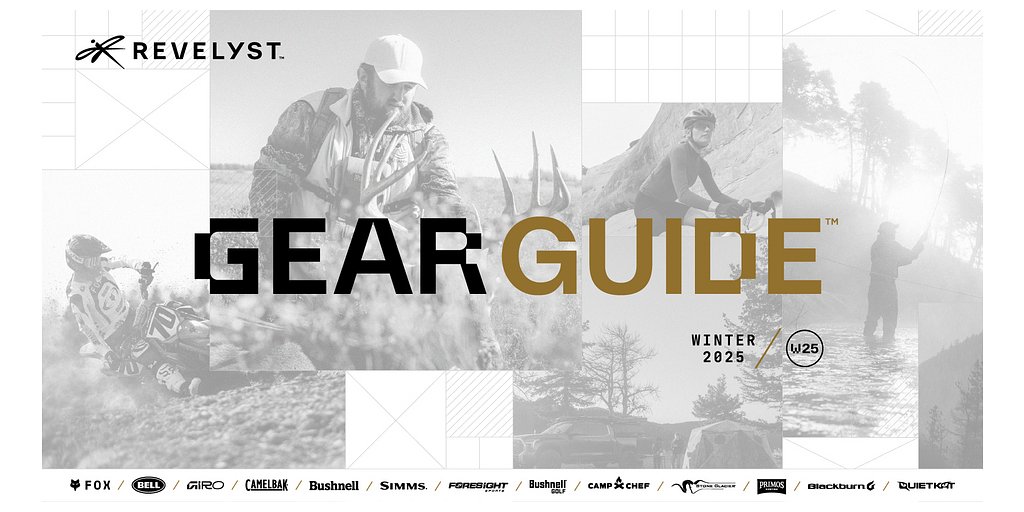
Revelyst's New Playbook: Unifying an Outdoor Empire After Spinoff
PROVIDENCE, R.I. – November 25, 2025 – This week, Revelyst Inc. unveiled its Winter 2025 Gear Guide, a sleekly packaged collection of outdoor products from its vast portfolio of brands. On the surface, it’s a timely marketing push for the holiday season, featuring everything from CamelBak water bottles and QuietKat e-bikes to high-tech Foresight Sports golf simulators. But beneath the glossy presentation of “must-have” gear lies a far more significant strategic maneuver. For the newly independent company, this guide is not just a catalog; it is the opening chapter in a deliberate campaign to build a powerful, unified identity for a sprawling empire of well-known, but previously disconnected, maker brands.
Forging a New Identity from a Spinoff
To understand the significance of a simple gear guide, one must look at Revelyst’s recent and transformative corporate origins. Until just last year, the company's collection of over 30 brands, including household names like Fox Racing, Bell helmets, and Simms Fishing, were part of Vista Outdoor. In a strategic move announced in 2022 and finalized in November 2024, Vista Outdoor executed a plan to separate its business into two independent, publicly traded companies. The sporting products segment, primarily focused on ammunition, was rebranded as The Kinetic Group. The outdoor products segment became Revelyst, trading on the NYSE under the ticker symbol 'GEAR'.
The rationale behind the split was to unlock value by allowing each company to pursue a more focused strategy tailored to its specific market. For Revelyst, this meant stepping out of the shadow of its former parent and establishing itself as a cohesive force in the global outdoor recreation market. The challenge, however, is that while consumers know and trust brands like Giro and Bushnell, the name 'Revelyst' is new and unfamiliar. The Winter 2025 Gear Guide is one of the first major, consumer-facing initiatives designed to change that, shifting the narrative from a loose collection of acquisitions to a unified family of brands under a single, purposeful banner.
The Nyman Playbook: A Strategy of Curation and Connection
Leading this charge is Revelyst CEO Eric Nyman, whose background provides a clear blueprint for the company's current strategy. Before taking the helm at Revelyst, Nyman spent nearly two decades at Hasbro, the global toy and entertainment giant. There, he was instrumental in managing a massive portfolio of iconic, yet distinct, consumer brands. This experience in cultivating a successful “house of brands” is directly applicable to Revelyst's present challenge.
Nyman’s public statements reflect this playbook. “At Revelyst, we’re brand-led, consumer-obsessed and maker-fueled,” he noted in the press release. This language aims to create a philosophical through-line connecting the diverse 'maker' cultures of its acquired companies, from the rugged craftsmanship of Stone Glacier packs to the precision engineering of Bushnell Golf's launch monitors. The gear guide serves as the physical manifestation of this idea. By curating products from different brands into a single experience, Revelyst is encouraging consumers to see the connection between them and, by extension, to build an affinity for the parent brand itself. The goal is to create a halo effect, where the trust a consumer has in their Simms fishing waders might translate into a future purchase of a Bell helmet or a Camp Chef grill, all under the implicit endorsement of the Revelyst name.
More Than a Catalog: A Cross-Promotional Catalyst
A closer look at the guide’s contents reveals its strategic depth. Rather than a showcase of exclusively new-for-2025 products, the guide is a curated mix of established best-sellers and popular current-season items, strategically packaged for a key sales period. For example, the highlighted QuietKat Apex HD e-bike is bundled with “holiday pricing and a bonus solar charger,” a classic promotional tactic to drive sales of an existing high-ticket item. This demonstrates that the guide’s primary function is not product launching, but cross-promotional marketing.
By grouping products into thematic categories like “For the One Who Lives Outside More Than In” and “For the Rider Who Lives for the Drop,” Revelyst is breaking down the silos that naturally exist between its brands. A mountain biker who loves their Fox helmet might now be exposed to CamelBak’s Podium Steel bottle. A hunter loyal to Primos game calls is introduced to Bushnell's low-light trail tech. This strategic curation is designed to increase the lifetime value of each customer by exposing them to the full breadth of the Revelyst ecosystem, turning a single-brand transaction into a multi-brand relationship.
The Conglomerate Challenge in a Crowded Field
Revelyst is not the only major holding company in the outdoor space. Competitors like VF Corporation (owner of The North Face, Vans) and Amer Sports (owner of Salomon, Arc'teryx) have long managed portfolios of powerful brands. However, their marketing strategies have historically been more brand-centric, with each label running its own distinct campaigns. While they benefit from shared operational resources, their parent company identities—VF and Amer—remain largely in the background for consumers.
Revelyst's gear guide represents a more overt attempt to build equity in the parent brand itself. It’s a calculated risk. The upside is the potential to build a powerhouse brand whose name becomes synonymous with quality outdoor gear, creating a formidable competitive advantage. The risk, however, is the potential dilution of the unique, independent 'maker' spirit that made brands like Simms and Fox so successful in the first place. Authenticity is a critical currency in the outdoor industry, and enthusiasts can be wary of corporate consolidation.
The ultimate success of this strategy will be measured in the coming months. It will depend on whether consumers view the guide as a helpful, curated resource or just a consolidated advertisement. The true test for Revelyst will be its ability to leverage its scale and resources to foster innovation across its brands, proving that a large collective can indeed enhance, rather than stifle, the creative spirit that adventurers and athletes depend on.