
- $300 million: System-wide sales for BaseCamp Franchising in 2025
- $1.4 million: Average gross sales per Uptown Cheapskate franchise in 2025
- $227,000: Average net income per Uptown Cheapskate franchise in 2025
Experts would likely conclude that BaseCamp Franchising's strong financial performance and strategic alignment with consumer trends in sustainability and value-driven shopping position its franchise models as highly attractive opportunities for entrepreneurs.
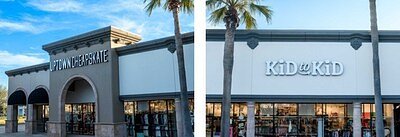
Resale Riches: BaseCamp Franchising Reveals Record Franchise Profits
SALT LAKE CITY, UT – April 14, 2026 – As consumers increasingly turn to sustainable and value-driven shopping, the secondhand retail market is experiencing unprecedented growth. Capitalizing on this powerful trend, BaseCamp Franchising today announced the release of its 2026 Franchise Disclosure Documents (FDDs) for its upscale thrift brands, Uptown Cheapskate and Kid to Kid, revealing a story of remarkable financial success and rapid expansion.
The newly released documents underscore a year of record growth for the company, which surpassed $300 million in system-wide sales in 2025. The detailed financial performance representations offer a transparent look into the profitability of its franchise models, positioning them as highly attractive opportunities for entrepreneurs.
The Financials of Franchise Success
The figures disclosed in the 2026 FDDs paint a compelling picture of unit-level economics. For Uptown Cheapskate, a brand catering to fashion-conscious teens and young adults, the average franchised location generated gross sales of $1.4 million and an average net income of $227,000 in fiscal year 2025.
The performance of the brand's top performers is even more striking. The top quartile of Uptown Cheapskate franchises saw average gross sales soar to $2.2 million, yielding an average net income of $423,000. These numbers represent a significant return on an initial investment that typically ranges from approximately $328,000 to $596,000.
Kid to Kid, the company's brand focused on children's apparel, toys, and gear, also reported strong store-level performance with meaningful growth over the previous fiscal year. While specific income figures were not detailed in the initial announcement, the trend points toward a similar upward trajectory. The initial investment for a Kid to Kid store is comparable, ranging from about $348,000 to $579,000.
"Uptown and Kid to Kid are thriving in today's retail environment, supported by strong consumer demand and increased operational efficiency," said Tyler Gordon, Co-CEO of BaseCamp Franchising, in a statement. "I also have to give so much credit to our incredible community of franchise owners, who continue to elevate the customer experience in their stores. We're excited about the progress we made in 2025 and feel there are so many more opportunities ahead."
Riding the Global Resale Wave
BaseCamp's success is not an isolated event but a reflection of a massive shift in consumer behavior. The global secondhand apparel market is on a trajectory to exceed $350 billion by 2028, with some projections showing it grew 15 times faster than the broader retail clothing sector in 2023. This explosion is driven by a potent combination of economic prudence and environmental consciousness, particularly among Millennial and Gen Z shoppers.
These younger demographics prioritize sustainability and see secondhand shopping as a practical way to participate in the circular economy, reducing fashion waste. Simultaneously, in the face of economic uncertainty, the hunt for value has become paramount. Research indicates that a majority of consumers feel that shopping secondhand provides them with the most value for their money.
BaseCamp Franchising has effectively harnessed these tailwinds. The company's expansion to over 280 stores across 32 U.S. states and several international markets is a testament to its scalable model. With plans to open another 30 to 40 new locations in 2026, its growth momentum shows no signs of slowing.
Redefining the Secondhand Experience
A key differentiator for both Uptown Cheapskate and Kid to Kid is their successful effort to redefine the perception of thrift shopping. Moving far beyond the cluttered and disorganized stereotype of traditional thrift stores, these brands offer an upscale, boutique-like atmosphere. Stores are clean, well-organized, and curated to feel like a contemporary retail experience, which attracts a broader customer base.
This polished customer experience is powered by a sophisticated operational backbone. The company touts its "technology-enabled systems" and "proven operating models" as core to its success. Franchisees are equipped with a proprietary buying software and point-of-sale system built on decades of data. These cloud-based tools provide real-time analytics, enabling owners to make smarter decisions on buying, pricing, and merchandising to optimize inventory and profitability.
The buy-sell-trade model is central to this ecosystem. It not only provides a constant stream of high-quality, relevant inventory but also fosters a loyal community. Customers become suppliers, earning cash or store credit, which encourages repeat visits and deepens their engagement with the brand.
A Competitive and Compelling Opportunity
While the resale space is becoming more crowded, with competitors like Plato's Closet and Once Upon A Child also vying for market share, BaseCamp Franchising has carved out a strong position. For instance, while Once Upon A Child reports a larger store footprint, Kid to Kid focuses on its premium, boutique positioning to attract a discerning clientele.
For prospective entrepreneurs, the appeal extends beyond the strong financial returns. BaseCamp has cultivated a reputation for its "franchisee-first" approach, earning multiple awards from Franchise Business Review for franchisee satisfaction and profitability. New owners receive extensive support, including comprehensive training at the corporate headquarters, in-store internships with veteran franchisees, and ongoing guidance in operations, marketing, and technology.
This robust support structure, combined with a business model perfectly aligned with modern consumer values, creates a powerful formula. As shoppers continue to prioritize sustainability and value, the curated, tech-driven approach of Uptown Cheapskate and Kid to Kid positions their franchisees for continued success in a dynamic and expanding market.