
- Market Growth: The global market for recovery tools is projected to more than double, from $1.5 billion in 2025 to an estimated $3.5 billion by 2035.
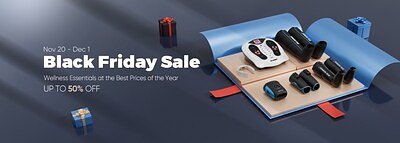
- Black Friday Deal: FIT KING's Air Compression Boots are advertised for as low as $159.99, a significant discount from its regular price.
- Premium Comparison: For the price of one premium system (e.g., Hyperice's Normatec 3 Legs at $749), consumers could potentially outfit their entire family with FIT KING products.
Experts acknowledge that FIT KING's affordable compression devices deliver tangible therapeutic benefits similar to professional-grade systems, though they may lack advanced features and consistent quality control.
Recovery for the Masses: How Your Living Room Became the New Clinic
NEW YORK, NY – November 25, 2025 – This Black Friday, the most sought-after deals may not be for a new television or gaming console, but for a set of inflatable boots that rhythmically squeeze your legs. FIT KING, a brand specializing in home wellness technology, has just announced its most aggressive sales event to date, promising deep discounts on its entire lineup of air-compression massagers and recovery devices. While a holiday sale is hardly novel, this campaign serves as a cultural barometer, signaling a pivotal shift: the technology of elite athletic recovery is no longer confined to training rooms and physical therapy clinics. It’s making a decisive push into the American living room.
The company’s announcement of sitewide deals, including up to 50% off its popular air compression boots, is a strategic move to capture a market that is rapidly expanding beyond professional athletes to include office workers, fitness enthusiasts, and seniors. The underlying message is clear: professional-level recovery is no longer a luxury, but an accessible component of a modern wellness routine. This trend raises critical questions about value, efficacy, and what the 'democratization of recovery' truly means for the average consumer.
The Mainstream Squeeze: Decoding the Home Recovery Boom
Not long ago, pneumatic compression systems—devices that use inflatable chambers to massage limbs, boost circulation, and reduce soreness—were the exclusive domain of professional sports teams and high-end rehabilitation centers. Today, they are at the forefront of a booming home wellness market. The global market for recovery tools is projected to more than double, from $1.5 billion in 2025 to an estimated $3.5 billion by 2035. This explosive growth is fueled by a confluence of cultural forces.
The pandemic accelerated a focus on self-care and at-home health solutions, while the rise of home gyms created a new class of consumers seeking to optimize their personal fitness routines. Simultaneously, social media has provided a window into the habits of elite athletes, whose use of these devices has normalized them for a wider audience. Brands are capitalizing on this by targeting not just the hardcore athlete, but also the desk-bound professional with stiff legs, the weekend warrior nursing sore muscles, and an aging population prioritizing mobility and vascular health.
FIT KING's strategy is a textbook example of tapping into this cultural shift. By positioning itself as an accessible entry point into this category, the company is betting that millions of consumers are curious about the benefits of compression therapy but are unwilling to pay the premium prices commanded by industry pioneers. Their Black Friday push across multiple platforms—from their own website to Amazon, Walmart, and even TikTok Shop—is a full-court press aimed at solidifying their place in the modern American home.
Value vs. Prestige: A Black Friday Showdown
In its press release, FIT KING bills itself as a “global leader,” a claim that warrants closer inspection. While the brand may not dominate the entire recovery technology market, which includes industry giants like Hyperice (owner of the Normatec brand) and Therabody, our analysis shows it has carved out a powerful leadership position in the affordable consumer segment. Publications like Garage Gym Reviews have consistently named FIT KING products as the “Best Budget” option, positioning them as a viable alternative to their much pricier competitors.
This Black Friday, the value proposition is stark. FIT KING is advertising its Air Compression Boots for as low as $159.99, a staggering discount from its listed regular price. In contrast, early Black Friday deals from the premium players show a different scale. Hyperice is offering its acclaimed Normatec 3 Legs for around $749, down from $899. Therabody is promoting dollar-amount savings of up to $150 on its devices, which still retail for several hundred dollars. For the price of one premium system, a consumer could potentially outfit their entire family with FIT KING products.
This pricing strategy highlights a fundamental divide in the market. Premium brands justify their cost with patented technologies, such as Hyperice's ZoneBoost™ for targeted pressure and Therabody's app-integrated routines. FIT KING, on the other hand, focuses on delivering the core functionality—sequential air compression—at a fraction of the cost. The brand is wagering that for many users, the fundamental benefit is “good enough,” making the advanced features of high-end models an unnecessary luxury.
Does “Professional-Grade” Hold Up Under Pressure?
The central claim in FIT KING's marketing is that it offers “professional-grade recovery.” This assertion is often met with skepticism, but evidence suggests it holds some merit. The underlying technology, intermittent pneumatic compression, is a well-established medical treatment used for decades to manage conditions like lymphedema and prevent deep vein thrombosis. Its application for athletic recovery, while still being studied, is based on these proven therapeutic principles.
More compellingly, some professionals are integrating these budget-friendly devices into their practices. In one public review, a licensed physical therapist demonstrated using a FIT KING compression device on a patient in his clinic, praising its build quality and substantial compression levels as effective for clinical applications like reducing swelling. While it may lack the sophisticated, patented pulse patterns of a system like Normatec, experts note that the primary mechanism of action remains the same. One analyst compared the technology to where the premium brands were a generation ago, offering proven benefits without the latest bells and whistles.
For the home user, this translates to a device that can deliver tangible therapeutic effects—improving circulation, reducing muscle soreness, and decreasing swelling—without the investment required for a clinical-grade or pro-athlete-endorsed model. The claim of “professional-grade” seems to rest on delivering a similar type of therapy, even if the technology isn't on the absolute cutting edge.
The Voice of the Consumer: Relief, Risk, and Reality
Ultimately, a product's success is determined by user experience, and here, the picture is more complex. Across platforms like Amazon and Reddit, a chorus of satisfied customers praises FIT KING for its undeniable value. Many users report significant relief from conditions like Restless Leg Syndrome (RLS) and general leg pain, calling the devices a “game-changer” for their daily comfort. Runners and cyclists frequently note that their legs feel “lighter” and less sore after use, validating the brand’s recovery claims.
However, this praise is balanced by a consistent stream of criticism. Recurring complaints point to potential quality control issues, with some customers receiving mismatched parts or finding the sizing to be awkward and ill-fitting. The intensity of the compression is another point of division; while some find it powerful, others describe it as a “gentle hug” that falls short of their therapeutic expectations. Perhaps most concerning is the shadow of inauthentic reviews. Independent analysis of some product listings has flagged a high percentage of potentially unreliable customer ratings, urging a more critical eye when evaluating the thousands of five-star reviews online.
This duality defines the brand's position in the market. FIT KING offers an accessible gateway to a trending wellness technology, delivering real benefits for many. Yet, this accessibility appears to come with a trade-off in manufacturing consistency and a risk that the product may not meet every user's expectations. As these devices become as common as coffee makers, the line between consumer wellness and clinical therapy continues to blur, challenging us to become more discerning patients in our own homes.