
- $890 billion: Projected annual cost of shopper returns globally.
- $145 million: Average cost of returned merchandise for every $1 billion in sales.
- 9.5 billion pounds: Estimated annual U.S. landfill waste from returned goods.
Experts agree that the partnership between ReBound and Reflex Sales Group offers a strategic solution to the retail industry's growing returns crisis, combining financial recovery, brand protection, and environmental sustainability through a disciplined circular economy approach.
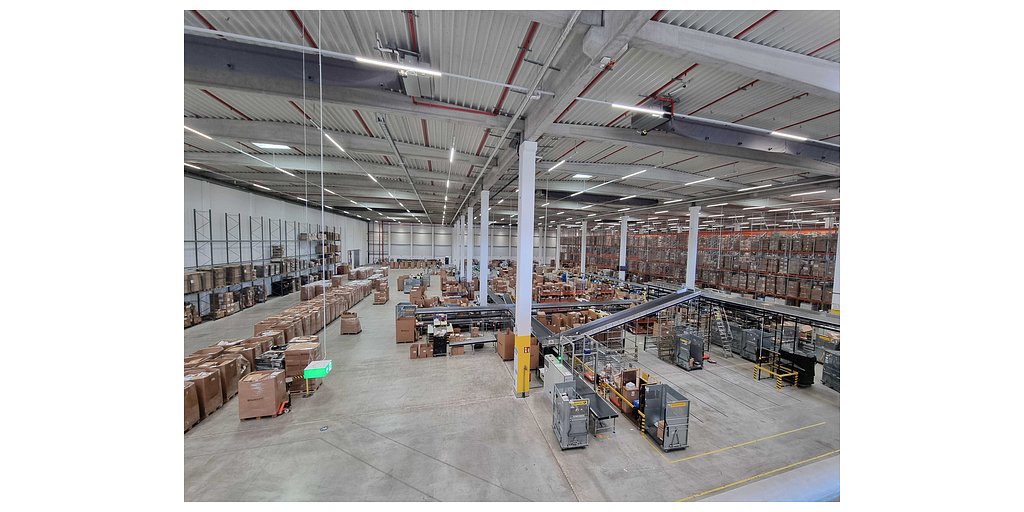
ReBound & Reflex Tackle Retail's Billion-Dollar Return Problem
NEW YORK, NY – March 02, 2026 – The convenience of a "buy now, return later" culture has created a staggering, and growing, challenge for the retail industry. With shopper returns projected to climb towards $890 billion annually, what was once a simple cost of doing business has morphed into a complex operational, financial, and environmental crisis. For every billion dollars in sales, retailers now face an average of $145 million in returned merchandise, a tide of goods flowing back into warehouses that are already strained.
Responding to this escalating issue, returns management specialist ReBound and inventory solutions partner Reflex Sales Group have announced a strategic partnership in North America. The collaboration aims to transform the costly and chaotic world of surplus returns into a streamlined, value-driven process. By creating a new pathway for products that can no longer be sold through primary channels, the two companies are offering retailers a chance to reclaim value, protect their brand, and embrace a more circular economic model.
The High Cost of a Seamless Return
For modern consumers, the ability to return an item for free is no longer a perk but an expectation. Research shows that 76% of shoppers consider it a key factor in their purchasing decisions. This has fueled behaviors like "bracketing"—buying multiple sizes or colors of an item with the intent to return most of them—a practice now common among more than half of Gen Z consumers. The result is a reverse logistics network under immense pressure.
Traditionally, the journey for a returned item that is unboxed but perfectly functional has been fraught with inefficiency and value destruction. After inspection, these products often enter a murky ecosystem of bulk liquidation, uncontrolled online marketplaces, or, in the worst-case scenario, a direct path to a landfill. This process not only fails to recover the product's true value but also poses a significant risk to a brand's carefully curated image and pricing strategy. Seeing a premium product sold for pennies on the dollar in an opaque channel can erode brand equity overnight.
"When returns can no longer be resold through original channels, they can quickly become both an operational and financial burden for retailers and brands," said Jim Kapper, Head of Sales Americas at ReBound, in the announcement. This burden is not insignificant; the cost to process a single return can range from $25 to $35, encompassing shipping, handling, inspection, and restocking.
A New Playbook for Surplus Inventory
The partnership between ReBound and Reflex Sales Group introduces a disciplined alternative to the default liquidation model. Instead of a one-size-fits-all approach, the collaboration will create bespoke secondary distribution plans that are meticulously tailored to each client's specific needs, considering product condition, brand positioning, and channel requirements.
The core of the strategy is to route surplus returns through a network of controlled, brand-approved resale channels. These can include off-price retail partners, structured online auctions, or curated warehouse sales, ensuring the brand maintains oversight of where its products end up and at what price. This gives brands a "smarter path forward," as Travis Smith, co-founder and CEO of Reflex Sales Group, described it. "By pairing ReBound’s returns expertise with our global network, brands can recover value from returned inventory without compromising where or how their products are resold," Smith stated.
This synergy leverages the distinct strengths of each company. ReBound, a part of the global circular economy enabler Reconomy, brings its advanced recommerce infrastructure and logistics software to the table. Reflex contributes its vetted global distribution network and expertise in managing excess inventory strategically. The combined offering allows ReBound customers to access new, controlled sales channels, while brands in Reflex's portfolio can benefit from ReBound's sophisticated returns management technology. The solution even includes prepayment options for surplus stock, directly improving cash flow and removing the inventory from the retailer's books.
From Landfill to Lifespan
Beyond the immediate financial and brand benefits, the partnership directly confronts the staggering environmental impact of retail returns. The scale of the problem is immense, with an estimated 9.5 billion pounds of returned goods ending up in U.S. landfills annually, generating over 24 million metric tons of CO₂ emissions—equivalent to the yearly output of millions of cars.
By creating viable secondary markets, the ReBound-Reflex model champions the principles of the circular economy. Instead of being discarded, products are given a new life, extending their usability and diverting them from the waste stream. This philosophy is deeply embedded in the DNA of both parent organizations. Reconomy, ReBound's parent company, has a stated mission to enable the circular economy and successfully diverted 97.5% of the waste it managed away from landfills in 2022. Similarly, Reflex Group operates with a "zero to landfill" policy for its own waste and invests in green energy and carbon offsetting programs.
"Circularity is embedded throughout the process to ensure redistribution strategies support businesses’ sustainability goals," Kapper noted. This commitment is about more than just finding a new buyer; it's about fundamentally rethinking the lifecycle of a product. By keeping items in circulation, retailers can significantly reduce their environmental footprint, a factor of growing importance to both regulators and an increasingly eco-conscious consumer base.
Protecting Brand and Boosting the Bottom Line
In a competitive market where brand perception is paramount, the uncontrolled resale of goods is a major threat. This partnership provides a crucial layer of defense. By directing surplus inventory to vetted partners, brands can avoid the dilution and reputational damage that comes from seeing their products on chaotic liquidation sites. It ensures the post-purchase journey, even for returned goods, aligns with the brand's core values.
The economic advantages extend beyond brand protection. By creating a more efficient and profitable system for handling surplus goods, retailers can turn a significant liability into a new revenue stream. The elimination of costs associated with storing, managing, and disposing of returned inventory, combined with improved cash flow from prepayment, offers a tangible boost to the bottom line.
As the retail landscape continues to evolve, the management of returns is shifting from a back-office headache to a front-line strategic imperative. The collaboration between ReBound and Reflex Sales Group represents a sophisticated, integrated approach that acknowledges this new reality. It offers a clear path for brands to not only mitigate the financial losses of returns but also to enhance their sustainability credentials and strengthen their market position in an increasingly complex industry.