
- 69% of waste from direct operations recycled, reused, or repurposed, achieving 2030 targets early
- 9% reduction in Scope 1 and 2 emissions despite flat processed volumes
- 323,300 people benefited from company initiatives
Experts would likely conclude that Pyxus's adoption of double materiality represents a strategic shift in agribusiness, aligning sustainability with financial resilience and long-term competitiveness.
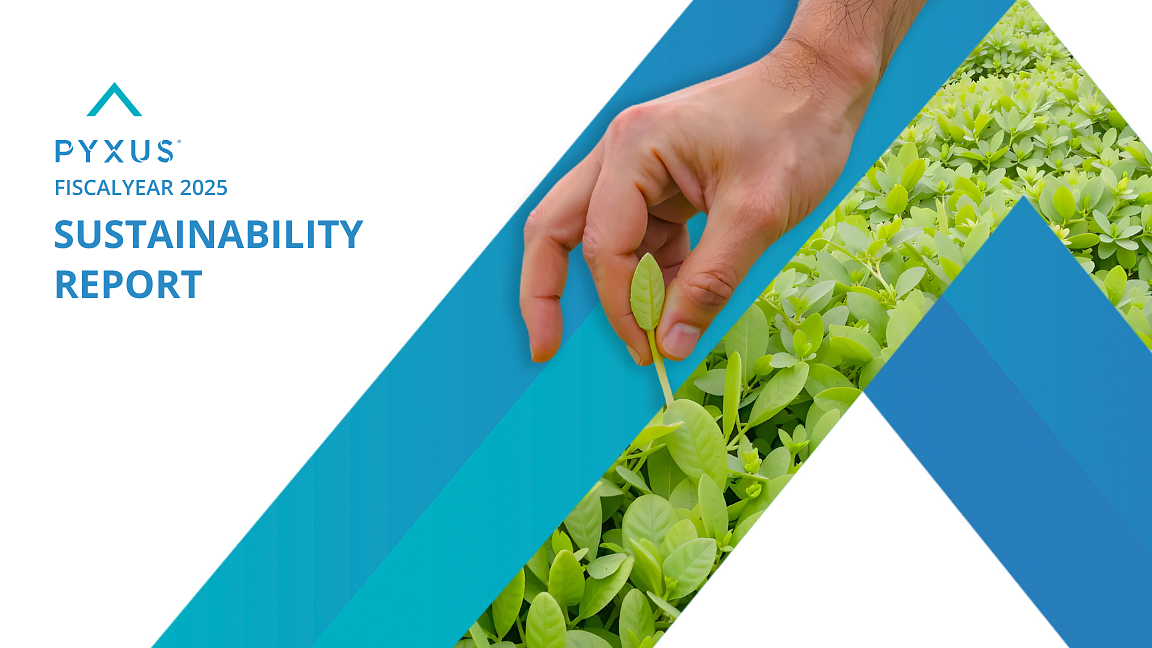
Pyxus Reimagines ESG: How Double Materiality Is Reshaping Agribusiness
MORRISVILLE, NC – December 11, 2025 – In a significant move that signals a deeper integration of sustainability into corporate strategy, global agricultural company Pyxus International has released its Fiscal Year 2025 Sustainability Report alongside a completely refreshed strategic framework. While annual ESG reports have become commonplace, Pyxus’s announcement stands out. It’s not just a summary of achievements but a fundamental restructuring of its approach, guided by a sophisticated data-driven methodology known as a “double materiality assessment.”
For a company with a 150-year legacy in the often-traditional agricultural sector, this pivot is more than a nod to modern trends; it’s a calculated effort to redefine its competitive edge, mitigate complex risks, and build a more resilient supply chain for the decades to come. The new strategy moves beyond broad-stroke environmental goals, focusing resources on areas where the company can drive the most significant and measurable value—both for society and its shareholders.
The Strategic Pivot to Double Materiality
At the core of Pyxus's strategic overhaul is the double materiality assessment. This framework, central to new European Sustainability Reporting Standards (ESRS), forces a company to look at sustainability through two distinct lenses. The first, impact materiality, evaluates the company’s own effect on the environment and society—the “inside-out” view. The second, financial materiality, assesses how environmental and social issues create tangible financial risks and opportunities for the business—the “outside-in” perspective.
By adopting this dual-focus model, Pyxus is moving beyond simply reporting its environmental footprint. It is actively analyzing how climate change, water scarcity, and social instability could directly impact its financial performance, supply chain continuity, and long-term enterprise value. The results of this assessment prompted the company to streamline its sustainability agenda, consolidating 12 previous focus areas into eight highly targeted topics: climate action, nature, regenerative agriculture, farmer livelihoods, responsible supply, engaged workplace, stronger communities, and governance.
This shift is a clear example of a company treating sustainability not as a peripheral corporate social responsibility function, but as a core pillar of its business strategy. As Pyxus President and CEO Pieter Sikkel stated, “Our commitment to sustainability is not only aspirational but also serves as a strategic lever that strengthens our long-term competitiveness while proactively mitigating risks.” This sentiment reflects a growing understanding in boardrooms that a robust ESG strategy is inseparable from sound financial management and risk mitigation.
Translating Strategy into Tangible Results
The credibility of any sustainability strategy rests on measurable performance. Pyxus's FY2025 report provides concrete data points that demonstrate progress even before the new strategy is fully implemented. The company announced it has already achieved its 2030 operational waste targets by recycling, reusing, or repurposing approximately 69% of waste from its direct operations. This has driven an impressive 47% decrease in waste sent to landfill since its 2020 baseline.
On the climate front, Pyxus reduced its Scope 1 and 2 emissions by nearly 9% compared to the prior reporting period. Critically, this reduction was achieved despite relatively flat processed volumes, indicating genuine gains in operational efficiency rather than a simple byproduct of reduced activity. Water management, a crucial issue for any agricultural enterprise, also saw significant improvement, with water withdrawal in direct operations falling by approximately 6% year-over-year and nearly 22% since the 2020 baseline.
These metrics illustrate a company that is already leveraging operational improvements to meet environmental goals. The community impact is also notable, with the company reporting that its initiatives have benefited over 323,300 people. By hitting these milestones, Pyxus has built a foundation of proven results, lending credibility to the more ambitious goals it is now setting for the future.
The Next Frontier: Regenerative Agriculture and Living Incomes
The most forward-looking aspects of Pyxus’s refreshed strategy lie in its new targets, which will be reported starting in Fiscal Year 2026. Two areas, in particular, highlight the company's ambition: regenerative agriculture and farmer living income. The company has committed to tracking and reporting the percentage of its contracted farmers who are practicing regenerative agriculture, a holistic farming system that focuses on improving soil health, enhancing biodiversity, and sequestering carbon.
This move aligns Pyxus with other industry leaders like ADM and Cargill, who are investing heavily in regenerative practices to build climate-resilient supply chains and meet growing consumer demand for sustainably sourced products. By promoting these methods, Pyxus is not only addressing its environmental impact but also investing in the long-term productivity and viability of its own agricultural supply base.
Perhaps even more groundbreaking is the new target to report on the percentage of contracted farmers who exceed a living income in priority locations. A living income—the amount needed for a household to afford a decent standard of living—has become a critical focus for human rights advocates, yet it remains a challenging metric for most global corporations to tackle. According to the World Benchmarking Alliance, fewer than 4% of the world's most influential food and agriculture companies are actively identifying living income gaps in their supply chains. By committing to this target, Pyxus is stepping into a leadership role on the social dimension of sustainability, addressing a root cause of instability and human rights risks in agricultural communities.
Anchoring Ambition in Financial Reality
Ambitious ESG goals can ring hollow if not backed by a financially stable enterprise. Pyxus appears to be on solid footing, having reported a 22.1% increase in sales to $2.5 billion in Fiscal Year 2025, along with a rising operating income and a strengthened balance sheet. The company successfully reduced its long-term debt and improved its leverage ratio, providing the financial stability needed to invest in its long-term sustainability initiatives. This strong performance suggests that its strategic investments in efficiency and responsible sourcing are already paying dividends.
By explicitly linking its refreshed sustainability strategy to long-term value creation, supply chain continuity, and innovative customer solutions, Pyxus is making a clear business case for its ESG agenda. The adoption of a double materiality framework is not merely a reporting exercise; it is a strategic tool for navigating a future where environmental and social performance are inextricably linked to financial success. For a legacy company in a sector facing immense pressure from climate change and shifting consumer expectations, this data-driven, dual-focus approach may be the key to ensuring not just survival, but sustained growth and leadership in the century to come.