
- $54.8 billion: Michigan's tourism industry economic contribution in 2024
- 351,292 jobs: Tourism sector employment in Michigan (1 in 17 jobs)
- $10.78 ROI: Campaign generated $10.78 for every dollar spent in 2024
Experts agree that while Pure Michigan has been a remarkable economic success and cultural force, its future depends on securing stable funding, adapting to climate challenges, and innovating to stay competitive in an evolving tourism landscape.
Pure Michigan at 20: A Billion-Dollar Legacy Faces Future Headwinds
LANSING, MI – April 30, 2026 – As the state's iconic "Pure Michigan" tourism campaign commemorates its 20th anniversary, it celebrates a legacy that has profoundly reshaped Michigan's economy and identity. Launched in 2006, the campaign has evolved from a simple marketing slogan into a multi-billion-dollar economic engine and a source of immense state pride, but it now faces a complex future marked by funding debates, increased competition, and the looming effects of climate change.
The ROI of State Pride
At the heart of the Pure Michigan celebration is its undeniable economic success. Over two decades, the campaign has been credited with transforming the state's tourism sector into a powerhouse. According to a 2024 study by Tourism Economics, the industry contributed a staggering $54.8 billion to Michigan's economy, supporting 351,292 jobs—or one out of every 17 jobs in the state. This data substantiates claims made by state officials celebrating the anniversary.
"Pure Michigan tells our story and defines our state as a world-class destination," said Governor Whitmer in a statement marking the occasion. "This month, we recognize 20 years of Pure Michigan and how it has driven Michigan's tourism industry." The governor has proclaimed May as "Pure Michigan Month" to honor the brand's impact.
The campaign's return on investment (ROI) has been a consistent highlight. In 2024 alone, the campaign reportedly generated $10.78 in return for every dollar spent, influencing over 789,000 leisure trips that resulted in more than $1.3 billion in visitor spending. This spending, in turn, generated over $79 million in state tax revenue. Despite this proven success, the campaign's funding has been a recurring point of contention in the state legislature. While the Michigan Hospitality & Tourism Alliance advocates for a $40 million appropriation, recent budget proposals have included significant cuts, creating uncertainty for the program's future scope and scale. This financial instability presents a persistent challenge for a campaign whose long-term success has been built on consistent, year-over-year brand building.
More Than a Slogan: Forging a Cultural Identity
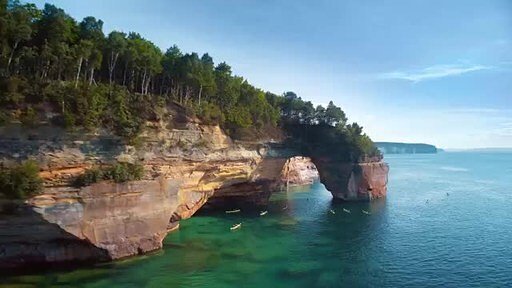
Beyond the impressive economic figures, Pure Michigan's most enduring legacy may be its cultural impact. The campaign captured a sense of authenticity that resonated deeply both inside and outside the state. By showcasing serene landscapes, vibrant cityscapes, and the simple joys of a Great Lakes sunset, it tapped into a growing desire for genuine experiences.
This connection is evident in the digital world, where the #PureMichigan hashtag has been used over 9 million times on Instagram by residents and visitors sharing their personal moments. "Over 20 years, Pure Michigan has become more than a campaign; it's a love letter to our state," said Kelly Wolgamott, Vice President of Pure Michigan. "The real magic is the memories people make here."
The campaign has also served as a vital lifeline for local economies by deliberately shining a light on "hidden gems, main streets, and attractions in every corner of the state." In regions like Muskegon County, tourism generated over $409 million in economic impact in 2024, supporting nearly 5,000 jobs across sectors from lodging and recreation to retail and dining. Similarly, the Traverse City area saw travel contribute $1.4 billion to its economy in 2022. By drawing visitors to lesser-known destinations, the campaign has helped distribute tourism dollars more widely, bolstering small businesses that form the backbone of many Michigan communities.
The Next Chapter: Competition, Climate, and Adaptation
As Pure Michigan enters its third decade, it confronts a landscape far more complex than the one it entered in 2006. The competition among states for tourism dollars is fiercer than ever. Neighboring Ohio recently revived its classic "The Heart of it All" slogan with a broad economic development focus, while Pennsylvania launched "The Great American Getaway" with a proposed $18 million marketing investment. These revitalized efforts underscore the need for Pure Michigan to continue innovating to maintain its edge.
More significantly, the campaign faces the existential threat of climate change to the very assets it promotes. Warming temperatures are shortening Michigan's winter season, jeopardizing the economies of communities reliant on skiing, snowmobiling, and ice fishing. Unpredictable Great Lakes water levels have led to both coastal erosion and access issues, while harmful algal blooms threaten water quality. The "Pure Michigan" experience is inextricably linked to the health of its natural resources, and their degradation poses a long-term risk to the brand's authenticity and appeal.
In response, the campaign's strategy is evolving. A new initiative, "Today's Tourist is Tomorrow's Talent," aims to leverage the state's positive tourism reputation to attract new residents and skilled workers, integrating tourism into broader economic development goals. There is also a growing focus on new opportunities, such as the burgeoning Great Lakes cruise industry, which is projected to hit record levels in 2026. Furthermore, new leadership is emphasizing digital outreach and accessibility, with programs like the Accessible Traveler Grant designed to make Michigan travel more inclusive. The campaign's ability to navigate these challenges—securing stable funding, out-innovating competitors, and advocating for the preservation of its natural wonders—will determine if the next twenty years can be as successful as the last.