
- 8 patients treated with PRV211 in Phase 1/2 trial
- 0 serious adverse events reported
- 60,000 new cases of oral cavity or oropharyngeal cancer diagnosed annually in the U.S.
Experts would likely conclude that Privo's PRV211 shows promising safety results as a localized, intraoperative therapy for oral cancer, potentially addressing a critical unmet need in preventing post-surgical recurrence.
Privo's Cancer Patch Meets Key Safety Goals in Oral Cancer Trial
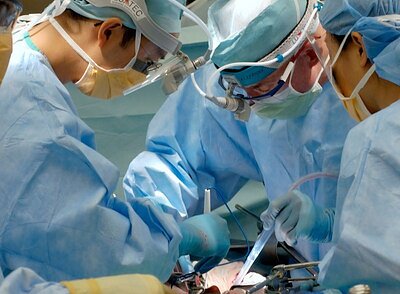
BOSTON, MA – January 23, 2026 – Privo Technologies, a Boston-based biopharmaceutical company, has announced a significant step forward in the fight against oral cavity cancer. The company reported today that its novel intraoperative therapy, PRV211, successfully met its primary safety endpoint in a Phase 1/2 clinical trial. The treatment, a nanoengineered patch applied directly to the surgical site after tumor removal, showed a favorable safety profile with no serious adverse events reported in the eight patients treated.
This milestone is a critical validation for a new therapeutic strategy aimed at one of the most persistent challenges in oncology: preventing cancer from returning after surgery. For patients with invasive oral cavity cancer, post-surgical recurrence remains a primary driver of poor outcomes, making the development of effective, localized treatments a major priority for the medical community.
A New Paradigm in Surgical Oncology
At the heart of Privo's announcement is PRV211, a sterile patch designed to be seamlessly integrated into standard surgical workflows. Immediately following the surgical excision of an oral tumor, the patch is applied to the tumor bed. It is engineered to deliver a concentrated dose of chemotherapy directly to the tissue at highest risk for microscopic residual cancer cells, the primary source of local recurrence.
The core innovation lies in its proprietary nanoengineered delivery platform. This technology allows for the targeted release of chemotherapy while minimizing its escape into the bloodstream. Systemic chemotherapy, the conventional method of delivering cancer-fighting drugs throughout the body, is often associated with severe side effects, including nausea, fatigue, immune suppression, and organ damage. By containing the therapy at the surgical site, PRV211 aims to maximize cancer-killing efficacy where it's needed most while sparing the rest of the body from toxic effects.
The results from the CLN-004 clinical trial's safety cohort strongly support this approach. The study enrolled eight patients with invasive oral cavity cancer who required surgical removal of their tumors. One month after surgery, follow-up assessments revealed:
- No treatment-related serious adverse events (SAEs).
- No dose-limiting toxicities (DLTs), meaning the therapy was tolerated at its intended dose.
- No systemic toxicities, confirmed by clinical laboratory tests.
- No reports of delayed wound healing, a crucial consideration for any intraoperative intervention.
Furthermore, pharmacokinetic analysis confirmed that systemic absorption of platinum—a component of many powerful chemotherapies—was negligible. This data provides concrete evidence that the patch is successfully achieving its goal of localized delivery with minimal off-target impact.
"Completion of enrollment and achievement of the primary safety endpoint represent important milestones in the clinical development of PRV211," stated Dr. Manijeh Goldberg, PhD, Founder and CEO of Privo Technologies, in the company's press release.
Addressing a Critical Unmet Need in Oral Cancer
The potential impact of PRV211 can only be fully understood in the context of the current landscape of oral cavity cancer. This disease accounts for roughly 3% of all cancers in the United States, with over 60,000 new cases of oral cavity or oropharyngeal cancer diagnosed annually. While early detection at a localized stage can lead to a 5-year survival rate as high as 88%, the prognosis worsens dramatically once the cancer spreads, dropping to 39% for distant metastasis.
The standard of care for most oral cancers involves surgery, often followed by radiation and/or systemic chemotherapy. Despite these aggressive treatments, recurrence is tragically common. Studies indicate that loco-regional recurrence rates range from 30% to as high as 60% for advanced-stage disease, with most recurrences happening within the first two years post-treatment. A return of the cancer significantly diminishes survival prospects and often requires debilitating salvage therapies that can permanently impair a patient's ability to speak, swallow, and eat.
This high rate of recurrence highlights a major therapeutic gap. After a surgeon removes all visible signs of a tumor, there is no way to be certain that microscopic cancer cells have not been left behind in the surgical margins. These residual cells can lead to a new tumor, often more aggressive than the first. Privo's PRV211 is designed to directly combat this problem at the source, representing a proactive strike against recurrence at the moment of initial treatment.
Building a Strategic Pipeline on a Validated Platform
The positive safety data for PRV211 does more than just advance a single product candidate; it strengthens the foundation of Privo's entire clinical strategy. PRV211 is one of three assets being evaluated in the company's multi-arm CLN-004 clinical program, which is focused on developing localized therapies for oral malignancies.
The success of PRV211 (Arm 2) follows a previously announced achievement in Arm 1 of the study, where another candidate, PRV111, met its primary efficacy endpoint. Meanwhile, Arm 3 of the program has already initiated dosing, demonstrating a robust and advancing pipeline. This series of positive developments suggests that the company's underlying nanoengineered delivery platform is both versatile and reliable, capable of supporting multiple therapeutic approaches.
For a late-stage clinical biopharmaceutical company like Privo, this platform validation is a significant de-risking event. It signals to investors and the broader medical community that the company's core technology is sound, increasing confidence in its ability to bring innovative treatments from the laboratory to the clinic.
As Dr. Goldberg noted, "The ongoing follow-up of these patients for loco-regional recurrence will help inform the design of future studies as we continue to evaluate PRV211's potential role as a localized, intraoperative treatment approach."
The Path Forward: From Safety to Efficacy
While establishing a strong safety profile is a crucial first step, the ultimate measure of PRV211's success will be its ability to prevent cancer recurrence. The eight patients from the safety cohort will continue to be monitored for the next 12 months to assess this primary efficacy outcome. The data gathered from this follow-up period will be instrumental in designing a larger, pivotal trial.
The next stage of development will likely involve a randomized controlled study, the gold standard in clinical research. Such a trial would compare outcomes in patients who receive the PRV211 patch after surgery to those who receive the current standard of care alone. The primary goal will be to demonstrate a statistically significant reduction in loco-regional recurrence.
Navigating the regulatory pathway for a novel product like PRV211, which combines a drug with a delivery device, can present unique challenges. Such "combination products" often require coordinated review from different centers within the U.S. Food and Drug Administration (FDA). However, a clean safety record and a clear mechanism for addressing a significant unmet medical need could help smooth the path toward approval. The results from the upcoming 12-month efficacy monitoring will be a key determinant of the program's future trajectory and its potential to one day change the standard of care for oral cancer patients.