
- 23,000+ U.S. customers surveyed for USA TODAY's Most Trusted Brands 2026 list
- 50 million+ bags of PrettyLitter sold since launch
- $15.5 billion projected market size for pet health technology by 2035
Experts acknowledge PrettyLitter's potential for early health detection in cats but emphasize it should not replace professional veterinary diagnosis.
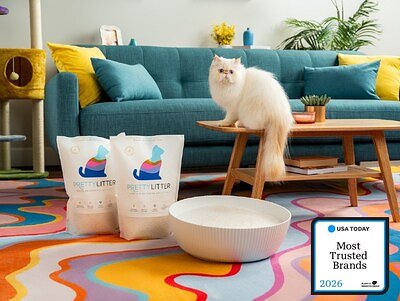
PrettyLitter's Trust Award Highlights Rise of Pet Health Tech
NASHVILLE, Tenn. – March 13, 2026 – PrettyLitter, the innovative cat litter brand known for its health-monitoring capabilities, has been named to USA TODAY's Most Trusted Brands 2026 list. The recognition stems from a comprehensive study by Plant-A Insights Group, which surveyed more than 23,000 U.S. customers on brand experience and trust. This accolade places the brand at the center of a major shift in the pet care industry toward technology-driven, proactive wellness.
"Being recognized on USA TODAY's Most Trusted Brands list is an incredible honor and a reflection of the trust that cat parents place in PrettyLitter every day," said Jessica Hauff, General Manager of PrettyLitter at Mars Pet Nutrition. Hauff noted that the product was designed to give pet parents "simple, early insights into their cat's health."
Acquired by Mars Petcare in 2021 for a sum reportedly between $500 million and $1 billion, PrettyLitter has sold over 50 million bags, building a large subscriber base. The award validates the brand's market position, but it also casts a spotlight on the burgeoning and complex world of in-home pet health monitoring, where technology, consumer trust, and veterinary science intersect.
The Science of a Smarter Litter Box
At the heart of PrettyLitter's appeal is its unique crystal technology. The litter is composed of amorphous silica gel, a non-toxic and highly absorbent material that differs from the potentially harmful crystalline silica found in some other products. Embedded within these crystals is a proprietary formula that reacts to a cat's urine, causing the litter to change color in response to specific chemical markers.
According to the company, which states its product was developed by veterinarians and scientists, these color changes serve as a first-line alert system for common feline health issues:
- Red may indicate the presence of blood, a potential symptom of urinary tract disorders, bladder inflammation, or kidney disease.
- Blue or Dark Green suggests unusually alkaline urine, which can be associated with certain types of urinary tract infections or the formation of struvite stones.
- Orange points to abnormally acidic urine, a possible marker for metabolic acidosis or the development of calcium oxalate crystals.
Veterinary professionals often acknowledge that because cats are masters at hiding pain and illness, such monitoring tools can be valuable for early detection. However, they consistently stress that these products are not diagnostic. A color change is an indicator that warrants a veterinary visit for proper testing and diagnosis, not a diagnosis in itself. This distinction is critical for managing pet owner expectations and ensuring proper medical care.
Peace of Mind or False Alarms?
For many cat owners, the promise of an early warning system provides invaluable peace of mind. The brand’s own testimonials and many online reviews are filled with stories from grateful consumers who credit the litter with alerting them to a health issue that was then successfully treated by a veterinarian. For these users, the product’s effectiveness in odor control, low-dust formulation, and lightweight nature are secondary benefits to its primary health-monitoring function.
However, a deeper dive into independent consumer forums and advocacy sites reveals a more nuanced reality. While many praise the product, a significant number of users report experiences that complicate the brand’s narrative. Some cat owners find the litter to be dustier than advertised, raising concerns for respiratory health in both pets and people. Others note that the lauded odor control can diminish well before the advertised one-month mark, especially in multi-cat households.
The most pointed critiques often center on the accuracy of the health-monitoring feature. Numerous anecdotal reports describe instances of "false alarms," where the litter indicated a potential health problem—most commonly a blue or green reading for a UTI—that was later proven unfounded by veterinary testing. These false positives can lead to significant owner anxiety and unnecessary, costly vet visits. Furthermore, some cats reportedly dislike the fine, crystalline texture, leading to litter box aversion, an issue that can cause its own set of behavioral and health problems. Cost is another factor, as the subscription-based service is considerably more expensive than traditional clay litters.
A Strategic Piece in a Pet Care Empire
The brand's inclusion in the Mars Petcare portfolio places it within a global powerhouse dedicated to pet health and nutrition. Mars has a stated purpose of creating "A Better World for Pets," and its strategy increasingly involves leveraging technology and data to improve animal wellness. The acquisition of PrettyLitter was a clear move to expand beyond traditional food and veterinary services into the proactive, at-home monitoring space.
This fits seamlessly with the broader work of Mars Veterinary Health, which oversees a massive network of veterinary hospitals and invests heavily in scientific research. The division’s 2024 Science Impact Report highlighted over 450 peer-reviewed publications and the ongoing Mars Petcare Biobank, a vast study collecting genetic and lifestyle data to better predict and treat pet diseases. By acquiring a direct-to-consumer brand with a built-in health-monitoring component, Mars gains access to a wealth of data and a direct channel to engaged pet owners.
In the rapidly growing pet health technology market, which is projected to reach $15.5 billion by 2035, PrettyLitter is not without competitors. Brands like Purina have launched their own pH-detecting crystal litters, signaling that major players see significant potential in this niche. The success of these products demonstrates a powerful consumer desire to be more involved in their pets' health, transforming a mundane household chore into an act of daily wellness surveillance. As this technology becomes more mainstream, its integration into a larger ecosystem of veterinary care and data analysis will likely become a key focus for industry leaders like Mars.