
- $60 million in energy bill credits for low-income NYC households over the next decade
- 400 MW of battery storage in operation or development by the end of 2026
- 60 projects already enrolled in the S-SFA program, representing over 300 MW of power
Experts agree that this initiative demonstrates how battery energy storage can simultaneously reduce energy costs for vulnerable communities, retire polluting peaker plants, and create a more equitable and resilient urban energy system.
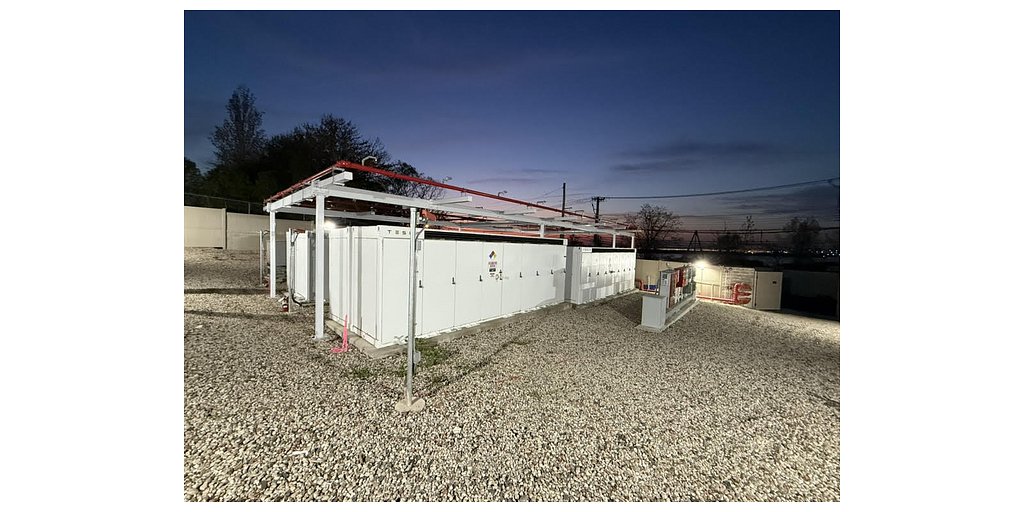
Powering Progress: How NYC Batteries Will Cut Bills and Clean the Air
NEW YORK, NY – December 15, 2025 – In the dense, power-hungry landscape of New York City, the next wave of infrastructure isn't just about steel and concrete; it's about electrons and equity. A groundbreaking initiative is quietly rewiring the relationship between energy providers, the grid, and the city's most vulnerable residents. NineDot Energy, a leading developer of urban battery energy storage systems (BESS), has committed to a plan that will channel over $60 million in energy bill credits to low-income households over the next decade, demonstrating that the technology stabilizing our grid can also be a powerful tool for social and economic justice.
This move is made possible by the company’s participation in the recently established New York Statewide Solar for All (S-SFA) program. By linking the revenue from its growing fleet of battery projects directly to financial relief for energy-burdened families, NineDot is providing a compelling case study in how corporate strategy and social responsibility can align to create a more resilient and equitable urban ecosystem. This isn't just about storing power; it's about redistributing it in more ways than one.
A New Blueprint for Energy Equity
At the heart of this initiative is the S-SFA program, a sophisticated policy innovation adopted by the New York Public Service Commission in May 2024. While its name suggests a focus on solar, the program’s inclusion of standalone battery storage projects has dramatically expanded its potential impact. The mechanics are both elegant and effective: energy developers like NineDot enroll their projects, which generate revenue by exporting stored electricity to the grid during periods of high demand. A percentage of these revenues is then contributed to a statewide savings pool.
This pool is then distributed annually as automatic bill credits to households already enrolled in their utility's Energy Affordability Program (EAP), specifically targeting those in designated disadvantaged communities. Beginning in 2026, eligible customers will see these savings appear on their bills without any need for applications or paperwork—a frictionless system designed to maximize participation. The more clean energy projects that come online and enroll in S-SFA, the larger the savings pool grows, creating a self-reinforcing cycle of green development and financial relief.
"We need more innovative ways to help New Yorkers who are struggling to pay energy bills," said Elijah Hutchinson, Executive Director of the New York City Mayor's Office of Climate & Environmental Justice. "Achieving a just energy transition... requires a combination of financing programs, like Statewide Solar For All, and infrastructure upgrades, like battery storage, all while centering the safety and wellbeing of New Yorkers."
This model represents a significant disruption to traditional energy markets. Instead of viewing low-income customers merely as ratepayers, the S-SFA framework positions them as direct financial beneficiaries of the clean energy transition. It transforms a distributed energy asset—a battery in the Bronx or Staten Island—into a source of community wealth, fundamentally altering the value proposition of grid infrastructure.
Retiring the Relics of a Dirtier Grid
The financial benefits are only half of the story. The strategic placement of NineDot's battery systems strikes at a long-standing environmental justice issue: the city's reliance on antiquated, polluting "peaker" plants. These fossil fuel-fired plants, which ramp up only a few hundred hours a year to meet peak electricity demand, are disproportionately located in low-income communities and communities of color, such as the South Bronx and Western Queens. Areas dubbed "Asthma Alley" have suffered for decades from the nitrogen oxides (NOx) and particulate matter these facilities emit, leading to elevated rates of respiratory illness.
Battery energy storage offers a direct, cleaner alternative. BESS installations can be charged during off-peak hours when electricity is cheaper and cleaner, then discharge that power during peak demand, displacing the need to fire up a peaker plant. Every megawatt-hour dispatched from a battery is a megawatt-hour that doesn't have to come from a 50-year-old, fossil-fuel-burning turbine.
"In addition to making the grid cleaner and more resilient, our urban energy projects help with energy affordability and advance environmental justice where we live and work," said David Arfin, NineDot Energy CEO and Co-founder. He noted the goal is to expedite "the retirement of dirty peaker plants that belch pollution in predominantly lower-income and historically-marginalized communities."
NineDot has already enrolled over 60 projects representing more than 300 MW of power into the S-SFA program. A single 5 MW site can power approximately 5,000 households for four hours, providing critical support on a hot summer afternoon when the grid is under maximum stress. This not only reduces emissions but also enhances grid reliability, preventing blackouts that can be life-threatening during extreme weather events.
The Strategic Charge in a Competitive Market
While the social and environmental benefits are clear, NineDot Energy’s strategy is also a masterclass in competitive positioning. The New York City energy storage market is notoriously complex, with significant hurdles including grid congestion and a backlogged interconnection queue at utility Con Edison. In this challenging environment, a clear strategic vision is paramount.
By embracing the S-SFA program, NineDot differentiates itself from competitors and builds strong relationships with communities and policymakers. The company is on track to have 400 MW of battery storage in operation or development by the end of 2026, a portfolio described as "second to none" in Con Edison territory. This rapid growth is backed by savvy financial maneuvering, including a $50 million credit facility from NY Green Bank specifically to finance the hefty interconnection deposits required to secure a spot in the development queue.
This proactive approach allows the company to navigate market uncertainty and advance its projects while others may stall. The commitment to S-SFA is not just altruism; it's a core part of a business model that integrates purpose with profit, creating a durable competitive advantage.
NYSERDA President and CEO Doreen M. Harris lauded the integrated approach, stating, "By including battery storage projects among eligible technologies in this program, we’re demonstrating how a diverse mix of resources can bring reliable and more affordable energy to neighborhoods all across our state." This high-level endorsement underscores the alignment between NineDot's strategy and the state's ambitious climate goals, including a target of 6 GW of energy storage by 2030.
As NineDot continues to bring more projects online, its participation in S-SFA will not only contribute to a cleaner and more affordable energy system but will also solidify its leadership in one of the nation's most vital and challenging energy markets. This initiative serves as a powerful signal that the future of urban infrastructure lies in solutions that are not only technologically innovative but also socially inclusive and environmentally restorative.