
- 1.2-1.6g/kg: Recommended daily protein intake per body weight for active individuals, per updated USDA guidelines.
- 6 oz. pork vs. 1.5 cups legumes: Daily intake in study showing pork maintained functional strength in older adults without exercise.
- 3 studies: Peer-reviewed research linking pork to muscle health in aging, athletic recovery, and military training.
Experts agree that lean pork can be a valuable high-quality protein source for muscle health and recovery, though they emphasize the importance of dietary balance and varied protein sources.
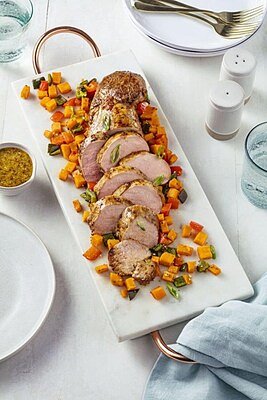
Pork's New Pitch: Can It Build Muscle and Boost Health?
DES MOINES, Iowa – March 24, 2026 – Fresh pork is being repositioned not just as a dinner staple, but as a key ingredient for physical strength and vitality, according to a new announcement from the National Pork Board. A trio of new studies, conducted at U.S. universities and published in peer-reviewed journals, suggests that including lean pork in one's diet can support muscle health in older adults, enhance post-exercise recovery for athletes, and improve readiness for military cadets.
The research, funded by the industry's Pork Checkoff program, arrives as consumers and dietary guidelines increasingly focus on the importance of high-quality protein. The findings aim to bolster pork's image as a nutrient-dense food beneficial across the lifespan, from maintaining independence in later years to optimizing peak physical performance.
"What these studies seem to show is that high-quality protein sources are foundational for muscle health across the lifespan," said Moul Dey, PhD, a professor of nutrition science at South Dakota State University, in a statement accompanying the announcement. "This research adds to the evidence that foods like fresh pork can be a practical way to help people meet protein needs and support physical function while eating whole foods."
The Science of Strength: A Closer Look at the Research
The three studies targeted distinct populations, each providing a piece of the new muscle-centric narrative for pork.
At South Dakota State University, Dr. Dey led a trial published in Current Developments in Nutrition that focused on healthy aging. Researchers placed older adults on a plant-forward diet that included either six ounces of fresh, lean pork or about 1.5 cups of legumes like lentils and chickpeas daily. The study found that participants in the pork group successfully maintained functional strength—measured by grip strength and their ability to rise from a chair—without any additional exercise. Furthermore, while both diets lowered fasting insulin, the pork phase was associated with higher levels of HDL, often referred to as "good" cholesterol.
"Muscle health is a key predictor of independence as we age," Dr. Dey noted. "In this trial, older adults were able to maintain their ability to perform everyday activities. That's encouraging for people as they aim to protect muscle strength and function into their older years."
Meanwhile, a study at the University of Illinois, published in the American Journal of Clinical Nutrition, examined pork's role in athletic recovery. Physically active young adults performed resistance exercise and then consumed one of three meals: lean pork, higher-fat pork, or a carbohydrate-only control. The results showed that both pork meals significantly stimulated muscle protein synthesis—the body's process for repairing and building muscle—compared to the carbohydrate meal. Notably, the lean pork meal prompted the greatest response, suggesting that fat content can influence the speed of amino acid delivery to muscles.
"Protein quality matters, and so does what the meal looks like in the real world," said Nicholas A. Burd, PhD, the study's lead author and a professor at the University of Illinois. "These results highlight the value of fresh, high-quality, whole-food protein options around workouts."
The third study, conducted at Texas A&M University and published in Nutrients, took the research into a high-stakes environment: military training. Army cadets who had just completed the strenuous Army Combat Fitness Test were given either a pork-based or plant-protein-based Meal Ready-to-Eat (MRE). The cadets consuming the pork-based meal reported less muscle soreness and showed more favorable shifts in key biomarkers for muscle recovery and reduced inflammation.
Pork on the 'Strength Sustaining Plate'
Armed with this new research, the National Pork Board is promoting a simple dietary framework it calls the "strength sustaining plate." The concept encourages consumers to build meals that support physical function and overall wellness.
"Building a strength sustaining plate doesn't have to be complicated," explained Kristen Hicks-Roof, PhD, RDN, Director of Human Nutrition for the National Pork Board. "Start with high-quality nutrient dense protein like fresh pork, then round out the meal with fiber-rich foods, vegetables, beans, lentils, and whole grains."
This messaging aligns with evolving nutritional advice, including the recently updated USDA Dietary Guidelines for Americans, which place a greater emphasis on consuming adequate high-quality, nutrient-dense protein from a variety of sources. The guidelines recommend a daily protein intake of 1.2-1.6 grams per kilogram of body weight, a significant increase from the previous standard, to support an active and healthy life. By highlighting pork's role as a complete protein rich in essential amino acids, the industry is positioning the meat as an ideal fit for these updated recommendations.
However, global health bodies like the World Health Organization (WHO) continue to advise a balanced approach, encouraging a wide variety of foods and noting that in some contexts, shifting toward more plant-based proteins can help reduce the risk of certain noncommunicable diseases. The conversation around protein is not just about quantity, but also about source and overall dietary pattern.
A Critical Eye on Industry Funding
While the studies' conclusions are presented as a boon for public health, a critical detail lies in their funding. All three research projects were financed by Pork Checkoff dollars, a mandatory levy on pork producers managed by the National Pork Board for research and promotion. This common practice in the food industry is a subject of ongoing debate within the scientific community.
Public health advocates and some nutrition scientists express caution when interpreting industry-funded research. Multiple analyses over the years have shown that studies funded by industry groups are significantly more likely to produce results favorable to the sponsor's commercial interests. This doesn't necessarily mean the science is fraudulent, but critics argue it can introduce bias at multiple stages—from the formulation of the research question to the interpretation and dissemination of the results.
The National Pork Board, for its part, maintains that it adheres to strict research integrity guidelines, ensuring that scientific investigators retain control over study design and interpretation. The fact that the studies were published in reputable, peer-reviewed journals means they passed a level of independent scientific scrutiny.
Nonetheless, the funding source remains an important piece of context. It highlights the dual role of organizations like the National Pork Board, which operate at the intersection of agricultural promotion and public health science. The research serves not only to advance nutritional knowledge but also to reinforce a strategic marketing message designed to boost pork's appeal in a competitive health and wellness market.
For consumers, the takeaway is nuanced. The new findings provide evidence that lean pork can be a valuable component of a diet aimed at building and maintaining muscle. At the same time, this research is part of a broader, industry-led effort to shape public perception. Discerning individuals are left to weigh the scientific data on its merits while remaining aware of the commercial interests that helped bring it to light.