
- 4.7-star average rating on Angi for Jimmy's Plumbing, reflecting strong customer satisfaction. - A+ rating from the Better Business Bureau for Jimmy's Plumbing, indicating high reliability. - 1983 as the founding year of Jimmy's Plumbing, demonstrating decades of industry experience.
Experts recommend that homeowners choose between flat-rate and time-based pricing models based on the complexity of the repair, with flat rates offering predictability for large projects and time-based pricing providing better value for routine tasks.
Plumbing Bills Demystified: How to Save Money on Home Repairs
GREENSBORO, NC – December 17, 2025 – For many homeowners, a sudden plumbing issue is followed by a second wave of anxiety: the bill. The cost of repairs can feel opaque and unpredictable, leaving many wondering if they are paying a fair price. A new initiative aims to pull back the curtain on plumbing costs, empowering consumers with the knowledge to navigate estimates and choose the right professional for the job.
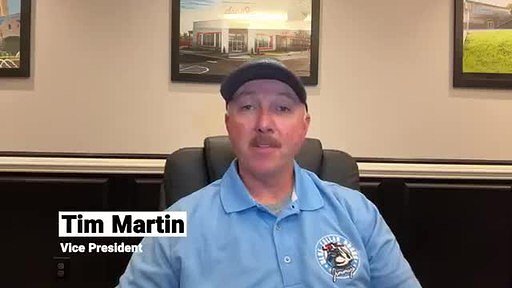
In a detailed breakdown featured by the media platform HelloNation, residential plumbing expert Tim Martin of Jimmy's Plumbing in Greensboro, North Carolina, dissects the two most common pricing structures in the industry: flat-rate and time-based pricing. His analysis provides a crucial framework for homeowners to understand what they are paying for and how to avoid hidden costs, ultimately fostering greater transparency in the home services sector.
The Pricing Dilemma: Flat Rate vs. Time-Based
The core of a homeowner's decision often comes down to a choice between the certainty of a flat rate and the potential savings of a time-based model. As Martin explains, each has distinct advantages and disadvantages depending on the nature of the repair.
Flat-rate pricing offers what many consumers crave: predictability. A plumber assesses the job—be it a leaky faucet or a clogged drain—and provides a single, all-inclusive price. "A plumber quotes one price for a specific job, and that price stays the same whether the work takes 30 minutes or several hours," Martin notes in the feature. This model eliminates the fear of a spiraling bill if the repair proves more complicated than anticipated. However, that peace of mind comes at a cost. Plumbers often build a buffer into flat-rate estimates to account for potential setbacks or unforeseen challenges. If the job goes smoothly and quickly, the homeowner may end up paying for "what if" scenarios that never materialized.
On the other side of the coin is time-based pricing, where the bill is calculated based on the actual time spent on the repair, often billed in increments like quarter-hours, plus the cost of materials. For straightforward and common repairs, this model can be significantly more economical. "If the plumber is efficient and well-prepared, the bill reflects only the work performed, rather than padded estimates," Martin states. This structure also creates a natural incentive for efficiency. A plumber charging by the hour is motivated to diagnose the problem correctly, arrive with the necessary parts, and complete the work promptly. This alignment of interests can benefit the homeowner in both time and money.
The decision, Martin suggests, should be situational. For large, complex, or unpredictable projects, such as a main sewer line replacement or a full water heater installation, a flat rate can act as a valuable insurance policy against runaway costs. For more routine tasks like fixing a running toilet or replacing a fixture, time-based pricing often provides better value.
The Expert Behind the Advice
The credibility of such advice hinges on the expert providing it. Tim Martin is not just an arbitrary voice; he is a principal at Jimmy's Plumbing, a family-owned and operated business serving North Carolina's Triad region since 1983. The company, now run by Tim and his brother Charlie, has built a reputation over decades for reliable service.
This long-standing community presence is backed by strong public ratings. Jimmy's Plumbing & Repair holds an A+ rating from the Better Business Bureau and a 4.7-star average on the service platform Angi, where customers frequently praise the company's professionalism and efficiency. Their own business model appears to reflect the transparency Martin advocates for; the company's website notes that its technicians are not paid on commission and that they aim to beat flat-rate quotes, suggesting a preference for value-oriented pricing. Martin's affiliation with the Greensboro Builders Association further solidifies his standing as a recognized professional in the field. This background provides crucial context, positioning his advice not as a sales pitch, but as guidance rooted in decades of industry experience.
A Push for Transparency in Home Services
The discussion around plumbing costs is a microcosm of a larger trend sweeping the home services industry. Today's consumers, armed with access to online reviews and digital resources, are increasingly demanding transparency from contractors, electricians, HVAC technicians, and plumbers. The days of accepting a verbal quote and a handshake are fading, replaced by an expectation of written estimates, clear terms, and a full breakdown of charges.
Martin emphasizes that transparency is the most important part of the process. He advises homeowners to always ask for a written estimate and to question how costs are calculated, whether smaller time increments are used for billing, and if there are additional charges like service call or travel fees. "A reputable plumber will provide a written estimate and explain their pricing model upfront," he explains. This practice aligns with guidelines from consumer protection agencies, which routinely warn against high-pressure sales tactics and vague agreements in home repair situations.
This shift is forcing a change in how service professionals build trust. Rather than relying on an information imbalance, reputable businesses are now differentiating themselves through clear communication. By educating customers on their pricing models and the scope of the work, they are not just selling a service—they are building a long-term relationship based on trust. This approach can be more profitable in the long run, as satisfied customers are more likely to provide positive reviews and repeat business.
The Rise of 'Edvertising': Content as a Connector
Facilitating this exchange between experts and consumers are platforms like HelloNation, which published Martin's insights. The company operates on a model it calls "edvertising," a hybrid approach that blends educational content with advertising. By featuring vetted professionals and allowing them to share their expertise, HelloNation creates articles that serve as both a public service and a subtle marketing tool.
For the consumer, the benefit is direct access to valuable, practical information that can help them make more informed decisions. Instead of navigating a sea of anonymous forum posts, they can receive guidance from a named, credentialed expert. This model helps demystify complex topics, from plumbing costs to legal advice and financial planning.
For the featured business, "edvertising" offers a powerful way to demonstrate authority and build trust. Instead of a traditional ad that simply lists services, an expert article positions the professional as a knowledgeable and helpful resource. This can be far more effective in attracting discerning customers than a simple sales pitch. However, it also places the onus on the consumer to remain aware that the content, while educational, is part of a marketing strategy. The ultimate goal for the featured expert is to build their brand and attract customers.
Ultimately, by understanding the trade-offs between pricing models and demanding clarity from service providers, homeowners can take control of their repair costs. The insights shared by professionals like Tim Martin, amplified by modern media platforms, are leveling the playing field, ensuring that predictability does not come at the cost of fairness and that a lower price reflects genuine efficiency, not a corner cut.