
- 900+ locations: Pilot's nationwide network of travel centers participating in the stroke awareness campaign.
- $750 million: Amount raised through point-of-sale fundraising in the U.S. in 2022, demonstrating the effectiveness of the model.
- 80% higher risk: Long-haul truck drivers are 80% more likely to have metabolic syndrome than non-driving counterparts.
Experts would likely conclude that Pilot's stroke awareness campaign is a highly effective public health initiative, leveraging its vast network to raise critical funds and educate high-risk populations about stroke prevention and recognition.
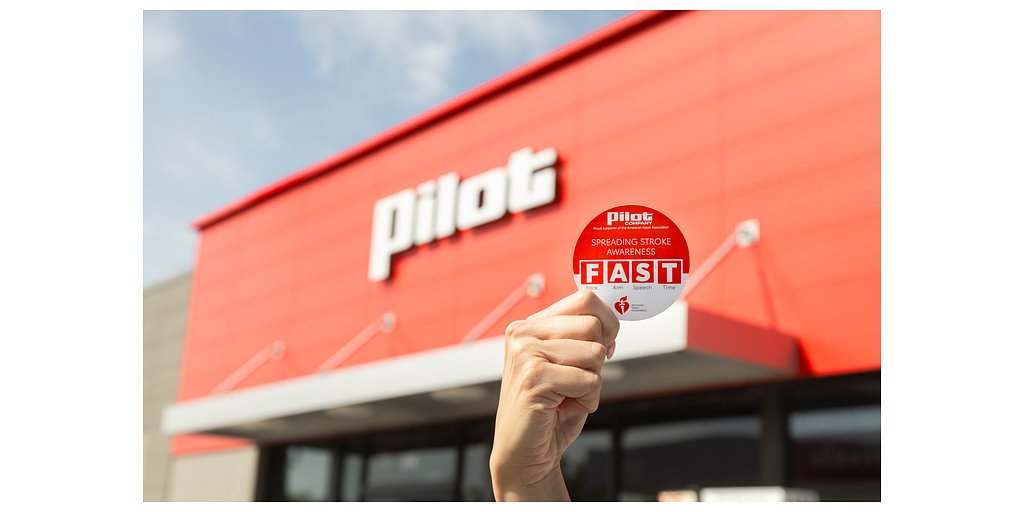
Pilot Fuels Lifesaving Cause with Stroke Awareness Campaign
KNOXVILLE, TN – April 29, 2026 – As millions of travelers and professional drivers pull into Pilot, Flying J, and One9 Travel Centers this May, they will have the opportunity to do more than just refuel their vehicles. For the second consecutive year, Pilot is transforming its vast network of over 900 locations into a powerful engine for public health, launching a nationwide campaign to combat stroke, the fourth leading cause of death in the United States.
From April 30 to May 21, in recognition of American Stroke Month, customers will be invited to round up their purchases to the nearest dollar. These seemingly small contributions will collectively fund the American Heart Association’s critical stroke prevention and education programs. The initiative leverages the power of point-of-sale fundraising, a method that raised nearly $750 million for charities across the U.S. in 2022, by making it simple for the company's 1.2 million daily guests to contribute to a life-saving cause.
This campaign is a cornerstone of Pilot’s “Miles of Good” corporate social responsibility program and extends its long-standing partnership with the American Heart Association. Over a nearly decade-long collaboration, Pilot and its guests have already raised close to $10 million for the organization's “Life is Why” campaign, demonstrating a sustained commitment to cardiovascular health.
A Personal Mission Driving Corporate Action
For Pilot's leadership, the fight against stroke is not just a corporate objective; it is a deeply personal mission. The initiative is championed by Adrienne Ingoldt, senior vice president of communications, risk, and procurement at Pilot, who also serves on the American Heart Association’s National Life is Why™ Council of Retailers.
“Showing people they matter at every turn is at the heart of everything we do at Pilot,” Ingoldt stated in the company’s announcement. “Stroke is the fourth leading cause of death in the United States, but it’s also one of the most preventable.”
Ingoldt’s dedication is fueled by personal experience. “As my mom is a stroke survivor, our family is a direct example of how knowledge can save lives and ensure more families have stories of survival,” she shared. This personal connection underscores the urgency and authenticity of the campaign, bridging the gap between a large corporate entity and the individuals it aims to help. It highlights that behind the fundraising goals and corporate branding are real stories of survival and loss that motivate the drive for greater public awareness.
Reaching a High-Risk Community on the Road
The strategic importance of Pilot's campaign is magnified by the unique demographics it serves. The nation's highways are the workplace for millions of long-haul truck drivers, a population disproportionately affected by health conditions that are major risk factors for stroke. Research highlights a stark reality: over 70% of long-haul drivers are obese, more than half are smokers, and they are 80% more likely to have metabolic syndrome—a cluster of conditions including high blood pressure and high blood sugar—than their non-driving counterparts.
This sedentary, high-stress profession, often coupled with limited access to healthy food, creates a perfect storm for cardiovascular events. By bringing the campaign directly to travel centers, Pilot is meeting this high-risk community where they are. The initiative goes beyond fundraising by actively disseminating life-saving information. Throughout the month, the company will promote the B.E. F.A.S.T. warning signs of a stroke:
- B – Balance Loss
- E – Eye (vision) Changes
- F – Face Drooping
- A – Arm Weakness
- S – Speech Difficulty
- T – Time to call 911
Recognizing these signs and acting immediately is critical, as prompt medical attention can dramatically improve outcomes. In addition to educating guests, Pilot is prioritizing the well-being of its own workforce, providing its approximately 30,000 team members with access to the American Heart Association’s stroke prevention resources, education, and screenings.
Setting a New Standard in Industry Wellness
Pilot's focused campaign on stroke prevention sets it apart within the travel center industry. While competitors also have robust philanthropic programs, Pilot’s initiative is uniquely tailored to a major adult health crisis that directly impacts its core customer base. Love's Travel Stops, for instance, has a celebrated partnership with Children's Miracle Network Hospitals, while TravelCenters of America (TA) actively supports the St. Christopher Truckers Relief Fund, which assists drivers with medical costs.
By concentrating on stroke, Pilot carves out a leadership role in adult public health awareness on the road. The funds raised will support a wide array of American Heart Association programs, including the “Getting to the Heart of Stroke™” initiative, which educates communities about managing heart-related stroke risks, and the “Get With The Guidelines®– Stroke” program, which helps hospitals improve patient care and outcomes. These donations fuel research, fund public awareness campaigns, and provide vital resources for both patients and healthcare professionals.
The effectiveness of the round-up model is well-documented. Studies show consumers are often more willing to round up a purchase than to donate a flat dollar amount, viewing it as a less painful form of giving. This low-friction approach allows for massive collective impact from millions of small transactions. By integrating this simple action into the daily routine of its customers, Pilot is not only raising substantial funds but also reinforcing a culture of community health and awareness across America's highways.