
- 218 EMS workers voted to unionize at Ambulnz, a subsidiary of DocGo
- 33% surge in union representation petitions in the healthcare sector in 2024
- 89% union election win rate in 2024, the highest in a decade
Experts would likely conclude that this unionization effort reflects a broader industry-wide push for better wages, working conditions, and collective bargaining power among undervalued EMS professionals.
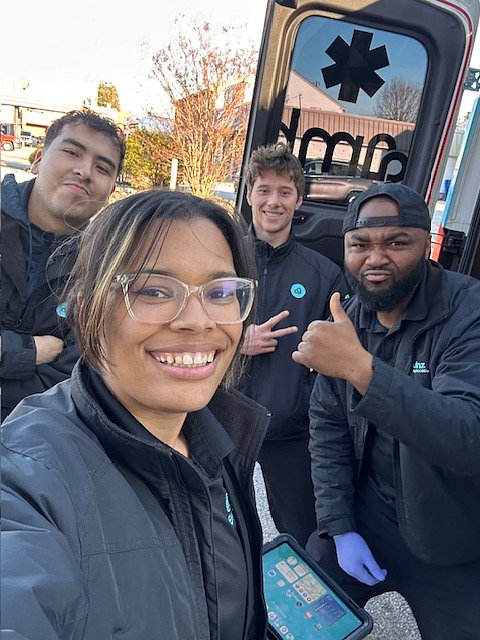
Philly EMS Workers Unionize, Citing Need for Dignity and Fair Pay
PHILADELPHIA, PA – April 24, 2026 – In a move that sends ripples through the private ambulance industry, 218 emergency medical technicians (EMTs), paramedics, and paratransit drivers at Ambulnz have voted overwhelmingly to join Teamsters Local 623. The decision marks the culmination of a determined organizing campaign aimed at securing better wages, safer working conditions, and a powerful collective voice for frontline medical responders.
The victory is particularly noteworthy as workers reportedly overcame a strenuous anti-union campaign, a common hurdle in the historically non-unionized private EMS sector.
A Decisive Vote for Change
The workers’ push for representation reflects a deep-seated frustration with their employment conditions. "The vote was clear and definite. The support for the union is deep," said Richard Hooker Jr., Secretary-Treasurer of Local 623. "There is no question that these workers have been mistreated, underpaid, and overworked."
Hooker, who will lead the upcoming contract negotiations, expressed his pride in welcoming the new members. "I'm proud to welcome them to the Teamsters Local 623 family, and excited to negotiate a contract that secures the higher pay, better protection, and power in the workplace they deserve," he stated.
For the workers themselves, the vote represents a shift from individual vulnerability to collective strength. "A union gives us a voice, not just as individuals, but as a team," explained Kate Regitko, an EMT and now a member of Local 623. "In EMS and medical transport, where the work is demanding and the stakes are high, that voice is especially important. We are looking forward to the Teamsters helping bring fairness, consistency, and respect to our workplace."
A Bellwether for a Strained Industry?
This successful union drive at Ambulnz, a subsidiary of the medical mobility company DocGo, is not an isolated event but rather a potent symbol of a growing movement within healthcare. Across the country, EMS professionals are facing a critical breaking point. The industry is plagued by chronic paramedic shortages, driven by stagnant wages that have not kept pace with the demanding nature of the job, grueling schedules, and immense psychological stress.
National statistics paint a grim picture of burnout, anxiety, and PTSD among first responders. This environment has led to high turnover rates, which in turn exacerbates staffing shortages and places an even greater burden on the remaining workforce. The unionization effort in Philadelphia is a direct response to these systemic pressures. It highlights a growing consensus among workers that individual efforts are insufficient to address industry-wide problems.
The trend extends beyond EMS. In 2024, the healthcare sector saw a 33% surge in union representation petitions compared to the previous year, with unions winning an overwhelming 89% of elections—the highest rate in a decade. This wave of organizing suggests that the desire for collective bargaining power is resonating deeply with workers who feel undervalued despite being labeled as essential heroes.
Overcoming 'Aggressive' Opposition
According to the Teamsters' press release, the Ambulnz workers "beat back an aggressive union-busting campaign during the organizing process." While the specific tactics employed by Ambulnz management have not been publicly detailed, such campaigns commonly involve hiring anti-union consultants, holding mandatory "captive audience" meetings to spread anti-union messaging, and creating an atmosphere of fear and intimidation to discourage worker solidarity.
That the Philadelphia workers successfully navigated this opposition makes their victory what the union calls a "rare" one in the private ambulance sector. It underscores a significant level of resolve among the employees, who chose to unite despite the pressure. This success could serve as a powerful blueprint and source of inspiration for other non-unionized EMS professionals in the region and across the nation who face similar working conditions and corporate opposition.
What's Next for Workers and the Company
With the vote certified, the focus now shifts to the bargaining table. Teamsters Local 623, a union with a formidable reputation, will begin the arduous process of negotiating a first contract with Ambulnz. Key demands are expected to include significant wage increases, improved benefits, standardized scheduling practices, and the implementation of a formal grievance procedure to protect workers from arbitrary disciplinary action.
For Ambulnz, which operates in multiple states and generates an estimated annual revenue of over $120 million, the union contract will undoubtedly increase labor costs. However, research in other unionized healthcare settings suggests potential long-term benefits. A stable, more satisfied workforce often leads to lower turnover, reducing recruitment and training expenses. Improved morale and working conditions can also translate directly into better patient care and enhanced operational efficiency.
The union representing the workers, Teamsters Local 623, is known for its assertive advocacy. Led by Richard Hooker Jr., who made history as the local's first African American leader and is now a candidate for the Teamsters' national presidency, the union has a track record of fighting for its members. Local 623 was instrumental in organizing opposition to a UPS contract that included a two-tier wage system, demonstrating its commitment to fighting for equitable pay structures. This history suggests that the Ambulnz contract negotiations will be pursued with vigor and a clear set of objectives aimed at fundamentally improving the lives of its new members.
The outcome of these negotiations will be closely watched, not only by the 218 workers in Philadelphia but by the entire private EMS industry. The new contract could set a new standard for compensation and worker protections, potentially inspiring similar organizing efforts at other private ambulance companies. For the city of Philadelphia, the well-being of these frontline responders is intrinsically linked to the health and safety of its residents, making the fight for a fair contract a matter of public interest.