
- 26% of claimed electronics were found to be fully functional upon expert assessment.
- 65% of claims had incorrect reported causes of loss, requiring recategorization.
- $308 billion annual cost to U.S. consumers and businesses due to inaccurate payouts.
Experts agree that the report highlights systemic inefficiencies in claims processing, emphasizing the need for specialized, data-driven assessments to reduce indemnity leakage and ensure fair settlements.
Phantom Damage: Report Reveals 26% of Claimed Electronics Work Perfectly
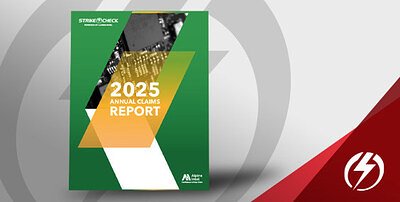
CHARLOTTE, N.C. – March 24, 2026 – A startling new report has sent ripples through the property insurance industry, revealing a significant disconnect between what is claimed and what is actually damaged. According to the StrikeCheck 2025 Annual Claims Report, a staggering 26% of all electrically powered items submitted in property claims were found to be fully functional upon expert assessment.
The report, released by the specialized assessment firm StrikeCheck, a division of Alpine Intel, also found that in claims involving these items, the reported cause of loss was incorrect more than 65% of the time, requiring recategorization after a thorough evaluation. These findings highlight a massive, often hidden, financial drain on insurers known as 'indemnity leakage' and raise critical questions about the accuracy and efficiency of current claims processing standards.
The Multi-Billion Dollar Glitch
The financial implications of these inaccuracies are immense. While the report focuses on electronics, it points to a systemic issue that contributes to what the Coalition Against Insurance Fraud estimates is a more than $308 billion annual cost to U.S. consumers and businesses. Inaccurate payouts, whether from misunderstanding or misrepresentation, directly inflate the operational costs for insurance carriers, a burden that is inevitably passed on to all policyholders through higher premiums.
This phenomenon of 'indemnity leakage'—overpayments on claims due to process inefficiencies, fraud, or incorrect assessments—is a primary concern for insurers striving for profitability and sustainability. The StrikeCheck report provides concrete data on a major source of this leakage. When a perfectly functional television, appliance, or solar panel system is replaced, the cost represents a 100% loss for the insurer on that specific item.
"With every claim, we provide actionable intelligence for adjusters to make confident claim decisions," said Paul Whitmore, Alpine Intel's executive vice president of specialty assessments, in the press release announcing the report. "This report provides a broader view for carriers to note trends, such as changes in equipment usage, seasonal impacts on causes of loss, and the electronics types that could pose risks for indemnity leakage."
The data, gathered from assessments on 401 different types of electrically powered items, offers a granular view. It includes average repair versus replacement cost comparisons and the typical ages of claimed equipment, giving insurers the tools to identify anomalies and refine their claims strategies.
Is It Broken or Just Misunderstood?
The reasons behind the high percentage of functional items in claims are complex, spanning a spectrum from genuine consumer confusion to outright opportunistic behavior. Modern electronics are intricate black boxes to the average user. A device that fails to power on might be perceived as 'fried' by a lightning strike when the issue is a tripped internal breaker, a software glitch, or a simple user error—issues that are often not covered or are easily fixable.
"Policyholders often lack the technical expertise to diagnose a problem," noted one independent insurance analyst who reviewed the findings. "They see a non-working device after a storm and naturally connect the two events. It’s not necessarily malicious, but it’s frequently inaccurate."
This is compounded by a lack of understanding of insurance policies, where coverage is tied to specific 'perils' or causes of loss. A device failing due to age or wear and tear is typically not covered, but attributing the failure to a power surge might secure a payout. Furthermore, some industry veterans privately acknowledge that the prospect of replacing an older electronic device with a brand-new model through an insurance claim can be a powerful incentive for some policyholders to either exaggerate a minor issue or claim a functional item as damaged.
Data to the Rescue: The Rise of the Specialist
The report's findings serve as a powerful argument for a paradigm shift in claims handling: moving from a generalist approach to one that relies on specialized, data-driven expertise. Companies like StrikeCheck represent a growing sector of the insurtech landscape dedicated to providing objective, third-party assessments that eliminate guesswork.
These firms employ forensic experts who can conduct on-site inspections and laboratory analyses to determine the precise cause of failure—or confirm the lack of one. Their work distinguishes between damage from a verifiable lightning strike, a non-covered power utility issue, or simple component failure due to age.
The value of this specialized approach was starkly illustrated in a special section of the report analyzing claims from the 2025 California wildfires. In these catastrophic event claims, an astonishing 59% of electrically powered equipment was found to be functioning properly at the time of assessment. This suggests that in the rush to file claims after a disaster, many items are included that were not actually affected by the peril, creating a significant potential for overpayment. The report also noted that even for some verified damaged items, repair was a viable and more cost-effective option than replacement.
By providing a definitive, evidence-based verdict on the condition of an item and the cause of loss, these assessments empower adjusters to settle claims fairly and accurately, paying for what is owed—and no more.
Redefining Fair Claims in a Digital Age
The implications of this data extend beyond financial metrics and into the regulatory and legal arenas. State insurance departments and the National Association of Insurance Commissioners (NAIC) mandate that insurers handle claims promptly and fairly. The widespread inaccuracy highlighted in the report could draw regulatory scrutiny if it leads to inconsistent or inequitable outcomes for policyholders.
However, the adoption of expert assessments can be a powerful tool for ensuring compliance and fairness. By relying on objective, verifiable data rather than speculation, insurers can justify their settlement decisions with confidence, protecting them from disputes and litigation. This transparency benefits both sides: insurers avoid overpayment, and policyholders receive a settlement based on a true and accurate assessment of their loss.
The industry is increasingly recognizing that in an age of ever-more complex technology, specialized knowledge is not a luxury but a necessity for maintaining the integrity of the claims process. As insurers continue to integrate data analytics and expert services into their workflows, the goal is to create a more efficient, accurate, and ultimately fairer system for all parties involved. This shift ensures that claims are settled based on verifiable facts, establishing a new benchmark for accuracy and trust in the digital age.